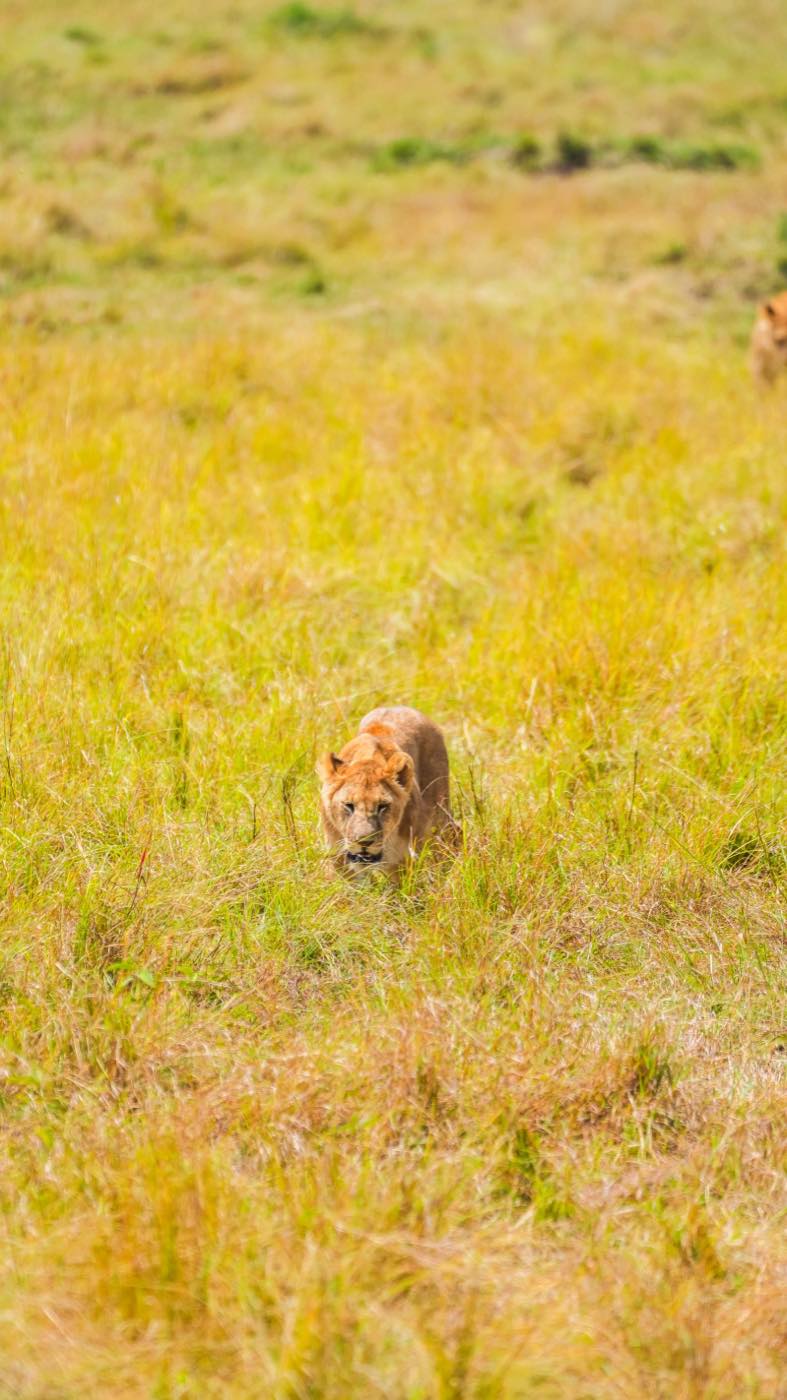
January is the Masai Mara’s quiet, generous month. The Christmas crowds have flown home, park fees sit at the lower January-to-June rate, and the reserve is warm, green and full of young animals. The Great Migration is not here, because the wildebeest are in Tanzania, but for travellers who care about lions, cheetah, calving antelope and empty tracks, January 2027 is one of the best-value months of the year. This guide covers weather, wildlife, fees and named camps with approximate rates as of 2026.
For the full year view, see our best time to visit Masai Mara. For the country-wide picture this month, read visiting Kenya in January. If you are deciding between months, compare it with Masai Mara in December.
January 2027 update
New Year’s Day 2027 falls on a Friday and is a public holiday, so expect a long weekend of full coast hotels and busy Nairobi-Mombasa roads and flights from 1 to 3 January. Kenya’s Ebola Bundibugyo outbreak is the other change since our last edit: as of late October 2026 Kenya had recorded nine confirmed cases, mostly among Nairobi-area healthcare workers, and Saudi Arabia has suspended travel to and from Kenya (see our news report). The safari parks and coast are not affected, but check your government advisory and your insurer before you book. We could not find a published 2027 fee schedule or confirmed 2027 event dates at the time of writing, so confirm park fees, Mara conservancy rates directly with the organisers.
Masai Mara weather in January
January sits between the short rains of November and December and the long rains that start in March and April. In practice that means:
- Days: 22-29°C, with the hottest, driest stretches in the first half of the month
- Nights: 13-17°C, cool enough for a fleece on pre-dawn game drives, especially in open vehicles
- Rain: roughly 60-90mm over the month, falling as brief afternoon thunderstorms on perhaps 6-8 days. Mornings are mostly clear
- Roads: generally good, though black-cotton soil near the Talek and Mara Rivers can turn slick after a heavy storm. Your guide will adapt the route
The landscape is at its most photogenic in January. Rain from late 2026 keeps the grass green, but it has not yet grown tall enough to hide big cats, as it does by March. Dust is low, which is a gift for photographers.
Wildlife in the Masai Mara in January
The migration question first: the Great Migration is not in Kenya in January. The herds spend the calving season, roughly January to March, on the short-grass plains of the southern Serengeti, around Ndutu and Kusini. If seeing calving wildebeest is your goal, our Kenya vs Tanzania winter sun comparison explains how to add a cross-border extension. Calving of wildebeest does not happen in the Mara.
What the Mara does offer in January is its resident ecosystem at full strength:
- Resident plains game: Thomson’s gazelle (around 30,000 in the ecosystem), impala (around 30,000), Burchell’s zebra (around 80,000) and topi. Topi and impala drop lambs and calves around the turn of the year, and the young animals draw lion, cheetah, leopard and hyena closer to the open plains
- Lions: The Marsh, Paradise and Ol Kiombo prides are regularly seen on the plains east of the Mara River. Cubs are often visible
- Cheetah: Coalitions hunt Thomson’s gazelle fawns on the open Mara Triangle and Musiara plains. January is a strong month for cheetah behaviour
- Elephants and buffalo: large breeding herds spread out across the green grass, and calves are common
- Hippo and crocodile: reliable year-round on the Mara River near the Serena and Mara Triangle viewpoints
Birdwatching in January
The Mara has roughly 450 recorded bird species, and January adds Palearctic migrants that spend the northern winter in Kenya: steppe and lesser spotted eagles, Eurasian rollers, European bee-eaters, white storks and a scattering of swallows and wheatears. Resident highlights include secretarybirds striding across the plains, the lilac-breasted roller, martial eagles, southern ground hornbills and the spectacular Rüppell’s griffon vultures. Pair with a half-day birding drive around Talek or the Mara Triangle and a guide with a spotting scope.
Park fees and conservancy rules in January 2027
Park fees at the Mara are set by Narok County and are seasonal. As of 2026, non-resident adults pay approximately USD 100 per day from January to June (USD 200 from July to December), with lower rates for children. Vehicle entry is charged separately. Fees are normally included in camp packages, but ask. KWS and county rates changed in 2026, and some parks now require eCitizen pre-booking, so check current details at the official Kenya Wildlife Service site. Our Masai Mara safari cost guide breaks down the full budget.
The private conservancies (Mara North, Naboisho, Olare Motorogi, Ol Kinyei) charge their own conservation fees, usually USD 100-200 per person per night, but allow night drives, walking safaris and off-road driving that the national reserve does not.
Where to stay in January: named camps and approximate rates
Rates below are approximate, per person sharing, full board, as of 2026 and for the post-festive period. Always confirm with the camp.
| Camp | Area | Style | Approx. rate per person per night |
|---|---|---|---|
| Sarova Mara Game Camp | Main reserve, Talek | Tented, mid-range | from USD 180 |
| Mara Serena Safari Lodge | Main reserve, Mara River | Lodge, mid-range | from USD 250 |
| Basecamp Masai Mara | Talek / Mara North edge | Tented, eco | from USD 200 |
| Fig Tree Camp | Talek River | Tented, mid-range | from USD 200 |
| Ol Seki Hemingways Mara | Mara North Conservancy | Luxury tented | from USD 600 |
| Kicheche Mara Camp | Olare Motorogi | Tented, conservancy | from USD 450 |
| Angama Mara | Oloololo Escarpment | Luxury lodge | from USD 1,200 |
Camps typically publish high-season rates from July to October and again from late December, with January and February priced lower. Browse our Masai Mara where to stay guide for neighbourhood advice, and look at Booking.com for Masai Mara stays if you want to compare.
Getting there and sample budgets
- By road: Nairobi to the Sekenani or Talek gate is 5 to 6 hours on a mixed tarmac and dirt route, about 270km
- By air: Scheduled flights from Wilson Airport to Mara airstrips (Keekorok, Musiara, Ol Kiombo and others) take about 45 minutes and cost approximately USD 200-300 each way as of 2026
- Budget: a three-night mid-range package from Nairobi usually works out to USD 1,200-1,800 per person in January, against USD 1,900-2,600 for the same camp over Christmas
Is January the right month for you?
Choose January if you want good game viewing at lower prices, fewer vehicles at sightings, and warm, mostly dry weather. Choose July to October instead if the river crossings are non-negotiable. If you want guided activities on the ground, compare Masai Mara safari tours before you commit, and add a night in Nairobi on arrival.
What to pack
Pack light layers, a warm fleece for early mornings, a waterproof shell for storms, a wide-brimmed hat, binoculars (8x42 is ideal) and a camera with a 200-400mm lens. Neutral colours are best, and avoid dark blue or black, which attracts tsetse flies in some areas.