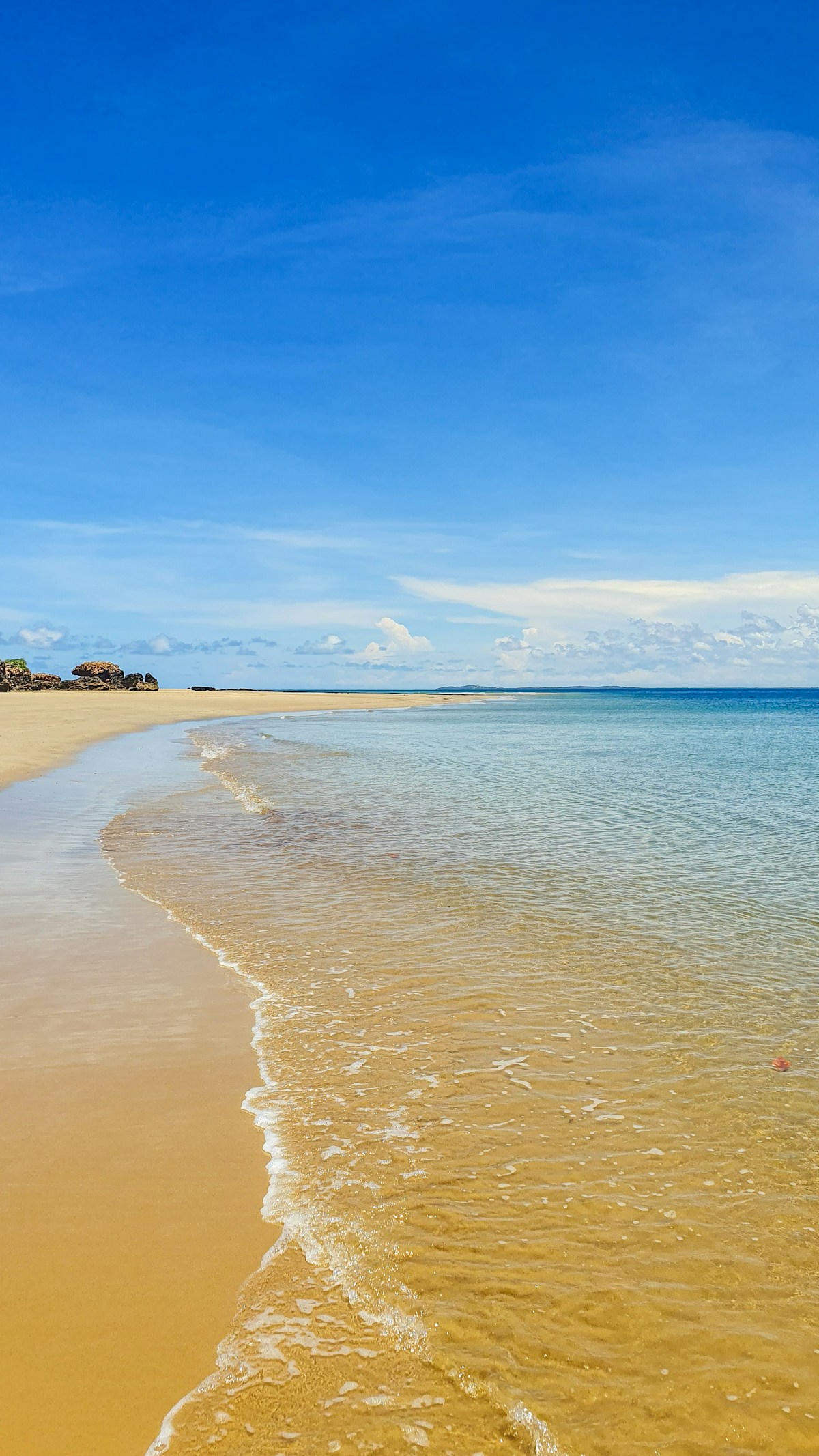
The Lamu Archipelago sits at the northern end of Kenya’s coast, 350km north of Mombasa by road. It is a group of islands - Lamu, Manda, Pate, and several smaller ones - where Swahili civilisation has been continuous for over a thousand years. Lamu Old Town is a UNESCO World Heritage Site: medieval coral stone buildings, maze-like alleys, ornate carved wooden doors, and a waterfront that has changed remarkably little since Arab traders anchored here in the 12th century.
There are no cars in the old town. Donkeys are the primary transport. Fishing dhows are the taxis between islands. It is simultaneously the most historically significant and the most tranquil place on the Kenyan coast.
Lamu Old Town
The old town is a living museum - it has been continuously inhabited since at least the 14th century and the built fabric has changed less than almost anywhere else in East Africa. The alleys are narrow, often just wide enough for two people and a donkey. Buildings are 2–3 storeys of coral stone with elaborately carved wooden doors - some genuinely antique, most well-maintained by families who have owned the same houses for generations.
Key sites:
Lamu Museum - in a restored seafront building, the best introduction to Swahili history and material culture. Includes a collection of siwa (ceremonial side-blown horns), carved furniture, and navigational instruments. Entry approximately KES 600 (non-resident), open daily.
Swahili House Museum - a 19th-century house restored to period furnishing, giving a sense of domestic Swahili life. Entry approximately KES 300.
Riyadha Mosque - the spiritual centre of Lamu, built in 1900. The mosque organises the annual Maulidi Festival (Prophet’s birthday celebrations), which draws visitors from across the Swahili coast and East Africa. Non-Muslims should not enter during prayers; modest dress essential.
The Fort - built by the Sultan of Pate in 1813, the fort now houses a library and community functions. Worth a quick look from the outside; limited interior access.
The Waterfront - the heart of daily life. Dhows unloading, fishermen repairing nets, tea sellers, and a general air of a port that has been operating in the same way for centuries. Best in the morning.
Shela Beach
4km south of the old town (30-minute walk along the seafront, or a 10-minute boat ride), Shela is a village and beach that has become Lamu’s main destination for beach tourism. The beach runs several kilometres south of Shela village, backed by sand dunes - it is wide, clean, and almost always uncrowded.
Swimming: The water is calm in the bay. The open ocean side of the spit can have current in certain conditions - swim inside the bay.
Development: Shela has several upmarket guesthouses and a scattering of restaurants and coffee shops. It has a permanent community of long-term foreign residents who have renovated old Swahili houses. The atmosphere is relaxed; this is not a resort beach.
Key accommodation in Shela:
- Peponi Hotel - the original Shela landmark, beachfront, from approximately USD 250/person/night full board
- The Majlis Resort - larger, pool, from approximately USD 150–200/night
- Various house rentals via local agencies (best for groups, from approximately USD 200/night for a whole house)
Manda Island
Across the channel from Lamu town, Manda is mostly uninhabited mangrove and sand. The Manda airport is here (accessed by boat from Lamu town). Key reasons to visit:
Manda Toto Beach - a sandbank near Manda that becomes accessible at low tide. Dhow picnic trips stop here - clear water, good snorkelling on the nearby reef.
Takwa Ruins - a 15th–17th century Swahili town on Manda’s interior, abandoned around 1700. A short walk through mangroves to a walled town with a mosque and standing domestic architecture. One of the best-preserved Swahili ruins on the coast. Entry approximately KES 400.
Dhow Trips
Dhow trips are Lamu’s signature activity. Traditional wooden sailing dhows can be hired for:
Full-day trips (KES 4,000–8,000 per group of 4): typically include Manda Toto snorkelling, Takwa Ruins, and a seafood lunch prepared on the boat. Lamu island tours covering dhow sailing, snorkelling, and Old Town walks are also bookable online for those who prefer a pre-arranged itinerary.
Sunset sails: Approximately KES 2,000–3,000 per person. The light on the water at sunset from a dhow is among the most satisfying experiences available on the Kenyan coast.
Multi-day north coast sailing: For adventurous visitors, overnight or multi-day dhow trips to Pate Island and Siyu (further north in the archipelago) can be arranged with trusted captains through guesthouses. Advance planning required.
Getting There
By air (recommended): Safarilink and AirKenya fly daily from Nairobi Wilson Airport to Lamu Manda Airport (approximately 1.5 hours, from USD 100 one way). A boat transfer from the airport to Lamu town is approximately 10 minutes (included in most accommodation packages, or approximately KES 200 independently). See our Lamu city guide for town-level hotels, restaurants, and practical details.
By bus from Nairobi: Modern Coast or Tahmeed run overnight buses to Mokowe on the mainland (9–10 hours, approximately KES 1,200–1,800). From Mokowe, a boat to Lamu town takes approximately 15 minutes (KES 100–200). Only recommended for budget travellers comfortable with long overnight journeys.
From Mombasa: Fly (1 hour) or take a bus north (6–7 hours to Mokowe). Direct shared taxis from Mombasa coast towns are not practical.
For the full Lamu Old Town experience and practical tips, see our Lamu city guide. To plan a full coast trip incorporating Lamu, see the Lamu to Mombasa coast itinerary and the Kenya coast itinerary. For accommodation on Lamu island, see our Lamu hotels guide.
Where to Stay in Lamu Town
- Baytil Ajaib (Stone House Hotel) - well-restored Swahili house, good roof terrace, from approximately KES 5,000/night
- Yumbe Guest House - budget, central, long-established, from approximately KES 2,500/night
- Pole Pole Guesthouse - reliable mid-range, from approximately KES 4,000/night
Search hotels in Lamu on Booking.com
Practical Notes
Dress: Lamu is a predominantly Muslim community. Cover shoulders and legs when in the old town. Swimwear is only appropriate at the beach.
Donkey welfare: Lamu has one of Africa’s most significant working donkey populations. The International Donkey Protection Trust runs a welfare programme here. Animal abuse should be reported.
Best time: October–March is dry and the best for sailing. June–September brings reliable SE winds - excellent for sailing trips but some rain possible. April–May is the long rains - some guesthouses close, the sea can be rough, but prices are lowest.