
Food Guide
Kisumu Food Guide: Lake Victoria Tilapia, Street Food
Lake Victoria tilapia, ugali wa wimbi, and smoky street-food stalls: the best places to eat in Kisumu, Kenya's third city on the lakeshore.
Kenyan Cuisine
Kenyan food is more varied than its reputation suggests. The interior favours ugali with stewed meat and vegetables - simple, filling, and cheap. The coast is an entirely different culinary world: centuries of Swahili, Arab, Indian, and Portuguese influence have produced a cuisine centred on spiced rice, coconut-based curries, and fresh seafood. Nairobi, as a cosmopolitan capital, offers everything from Ethiopian injera to Japanese sushi alongside excellent local street food.
Eating on a budget is straightforward. A full local meal (ugali, sukuma wiki, stewed chicken) at a basic restaurant costs approximately KES 150–300 ($1.15–2.30). Nyama choma adds up but is usually eaten as a shared meal. The coastal city of Mombasa offers the most distinct food experience, with pilau, biryani, and deep-fried cassava available at every corner.
Each city guide includes a dedicated food page covering must-eat dishes, local specialities, and where to eat them.
Eight dishes that represent the depth and regional variety of Kenyan cuisine - from street corners to coastal specialities.
Goat or beef grilled over charcoal, served with kachumbari (tomato-onion salad) and ugali. Roadside nyama choma joints. KES 500-900 per kilo.
Maize flour dough, the staple carbohydrate. Eaten by pinching and using as a scoop for stew. No cutlery required.
Collard greens sautéed with onion and tomato. Cheap and nutritious. Served with ugali daily. KES 50-100 per portion.
Swahili spiced rice with meat, onions, garlic, ginger. Cumin, coriander, and cinnamon. Mombasa specialty.
Cardamom-spiced fried dough, less sweet than doughnuts. Breakfast or snack with chai. Roadside stalls, KES 5-15.
Black tea simmered in milk with sugar, ginger, or cardamom. Served very hot and sweet. Everywhere, all day. KES 20-50.
Blood sausage of goat or cow intestines stuffed with meat and spices, grilled or roasted. Popular street food in Nairobi.
Mombasa coastal biryani - spiced, slow-cooked rice with chicken or goat. Swahili-influenced spice blend. Among East Africa's best. KES 350-600.
The divide between coastal Swahili food and inland Kenyan cooking is significant enough to feel like two different countries. Inland Kenya - Nairobi, Nakuru, the Rift Valley, and the interior highlands - relies on ugali as the carbohydrate base, paired with sukuma wiki, stewed beef or goat, and occasionally chicken. The cooking is plain, filling, and cheap. Spices are minimal; heat is uncommon; coconut never appears.
The Swahili coast is the opposite. Arab and Indian Ocean trade routes brought coriander, cumin, cinnamon, cardamom, and turmeric to the coast from at least the 10th century. Mombasa's biryani is slow-cooked with a spice blend that reflects centuries of refinement. Pilau rice is coloured with saffron and padded with whole spices. Coconut milk appears in rice dishes, fish curries, and even some stews. The Portuguese, who controlled the coast in the 16th–17th centuries, contributed deep-fried cassava (mahamri's cousin) and introduced some vegetables that became endemic to coastal markets.
Lamu's cooking is the most distinct expression of Swahili food - older, slower, with a stronger Arab influence than Mombasa. The island's isolation preserved cooking traditions that urbanised Mombasa has partially lost. If you're visiting the coast specifically for food, a night or two in Lamu is worth it alongside the longer stay in Mombasa. See the Mombasa Swahili food guide and Mombasa restaurant guide for specific recommendations.
Kenya is one of the more affordable countries in East Africa for food when eating locally. A full meal at a basic local restaurant - a "local joint" or mgahawa - costs KES 150–350 ($1.15–2.70): ugali, sukuma wiki, stewed meat or beans, and a chapati if you ask. Tea (chai) is KES 20–50. Street food (mandazi, mutura, roasted maize) is KES 20–100 per item.
The Kenyan street food guide covers what to eat, what to avoid, and which markets and areas in Nairobi and Mombasa concentrate the best street options. For a full budget breakdown including food, accommodation, and transport, see our Kenya budget guide.
Nairobi has developed a legitimate restaurant scene over the past decade. Westlands and the area around the Junction Mall in Karen concentrate the widest range. Ethiopian injera restaurants, Indian curry houses, Japanese sushi bars, and high-end modern Kenyan cooking all coexist within a few kilometres. The Westgate area has upscale restaurants; the Maasai Market (Fridays at the Village Market) doubles as a food market with grilled meats and local produce.
Carnivore Restaurant on Langata Road remains the headline attraction for tourist food - flame-grilled game and domestic meats served on Maasai swords, all-you-can-eat format. It's touristy and KES 4,500+ per person, but it is an institution. Better value for money and more authentic Nairobi cooking is available at Java House (reliable chain for breakfast and coffee), Nyama Mama (modern Kenyan, Westlands), and the nyama choma joints on Ngong Road.
See our Nairobi food guide for specific restaurant recommendations with addresses and current prices. For a guided introduction to the city's food scene, Nairobi food tours run 3–4 hours and typically cover three to four stops for KES 3,000–6,000 per person including tastings.
Kenya's food capital for coastal cuisine. Pilau, biryani, coconut fish curry, and deep-fried cassava are everywhere. Old Town concentrates the best street food - the Swahili quarter around Fort Jesus has stalls open from early morning through late evening.
City guide to Mombasa →Nairobi has Kenya's widest restaurant range - nyama choma joints, Ethiopian restaurants, Indian curry houses, and international dining all within the same city. Carnivore Restaurant, though now geared toward tourists, remains an institution for African game meats.
City guide to Nairobi →Lamu's Swahili cuisine is the most distinct on the coast - influenced by Arab traders who settled here centuries ago. Slow-cooked biriani, mkate wa kumimina (coconut pancakes), and fresh grilled seafood from the dhow harbour. No cars, no rush, good food.
City guide to Lamu →In-depth guides to the cuisine, restaurants, and street food scene.
Lake Victoria tilapia, ugali wa wimbi, and smoky street-food stalls: the best places to eat in Kisumu, Kenya's third city on the lakeshore.
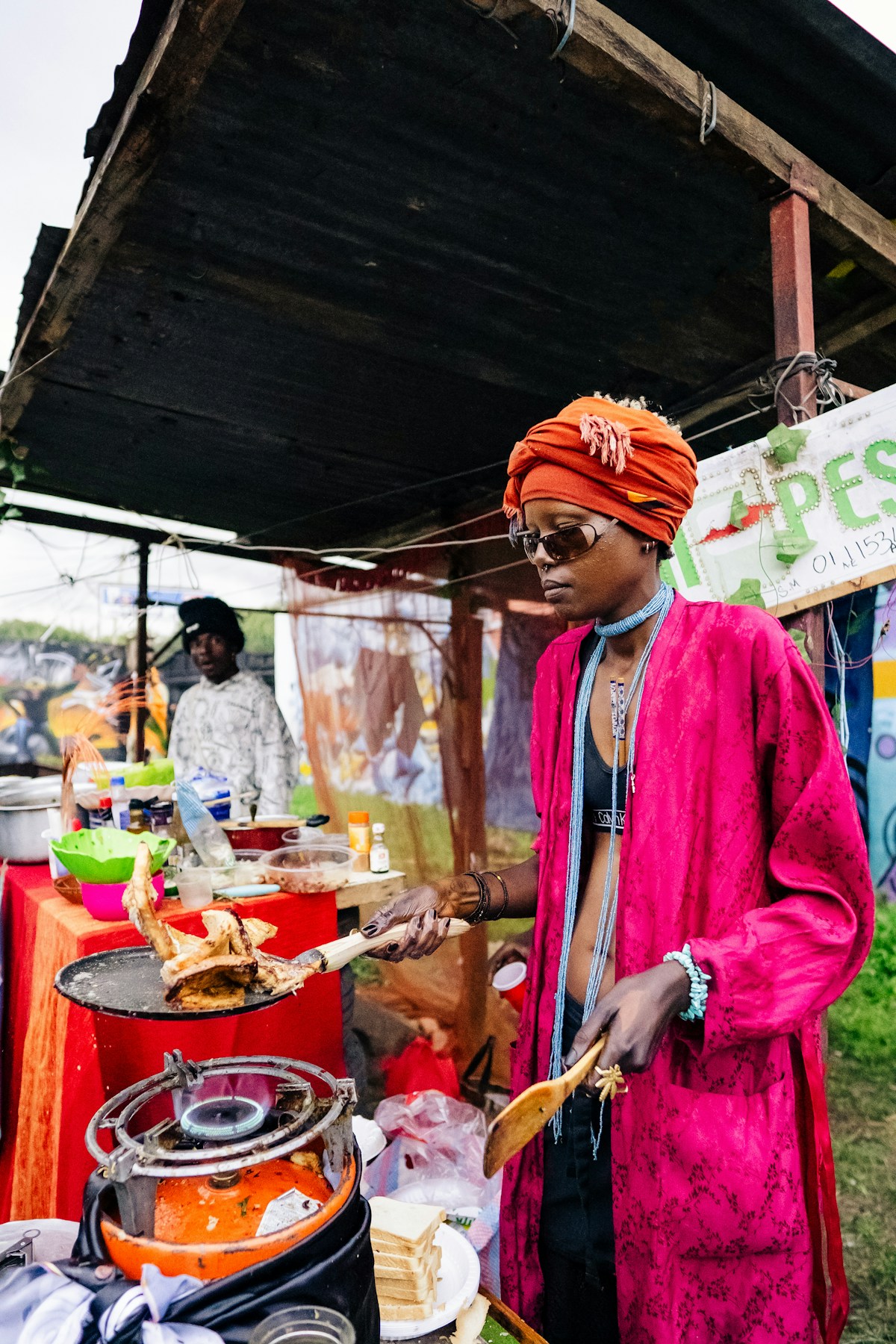
Nairobi's best restaurants by neighbourhood: nyama choma joints, Carnivore's legendary mixed grill, street food stalls, and rooftop bars.
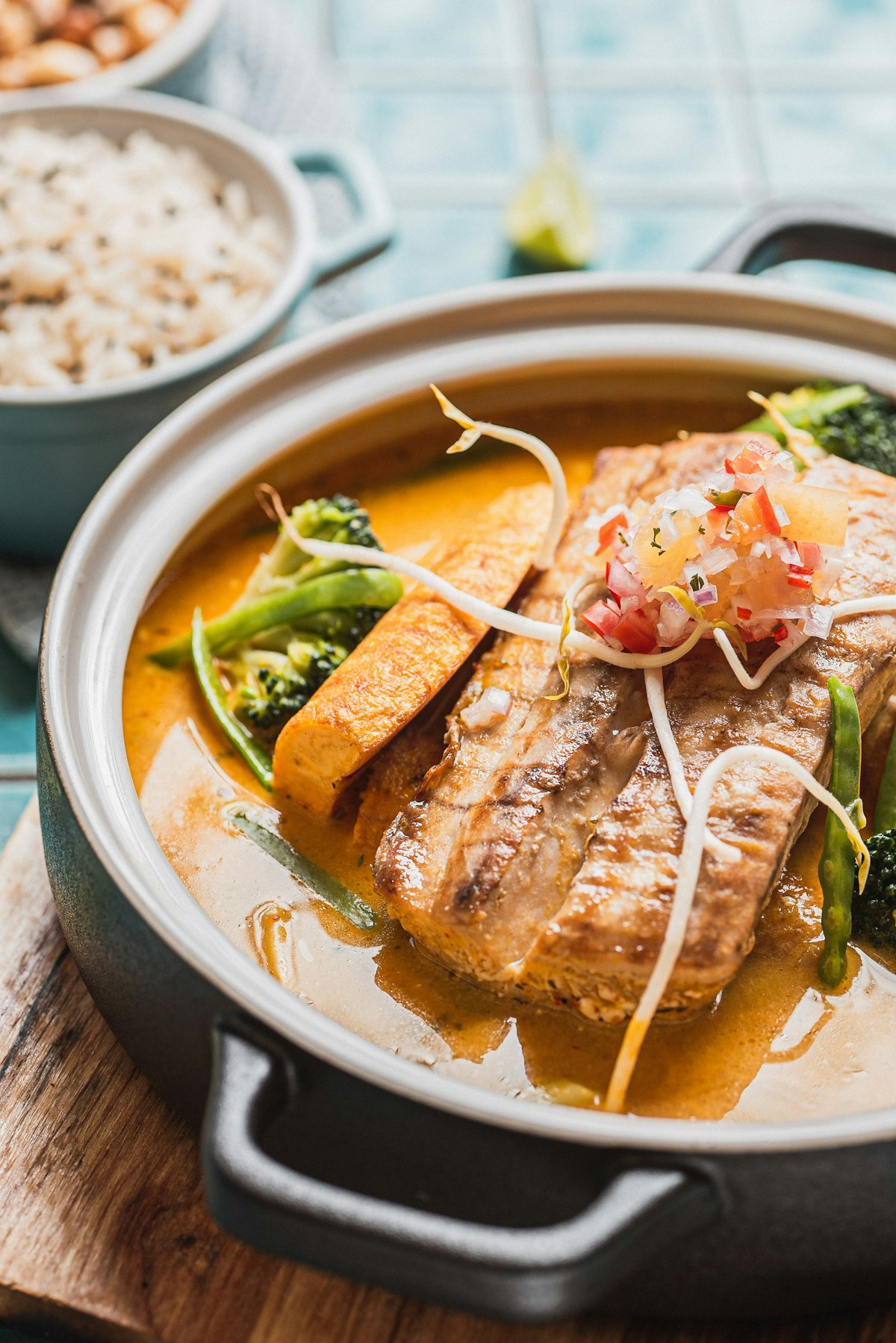
Mombasa Swahili food: pilau, urojo soup, zanzibar mix, samaki wa kupaka, and mahamri. Best restaurants in Old Town and North Coast with prices.
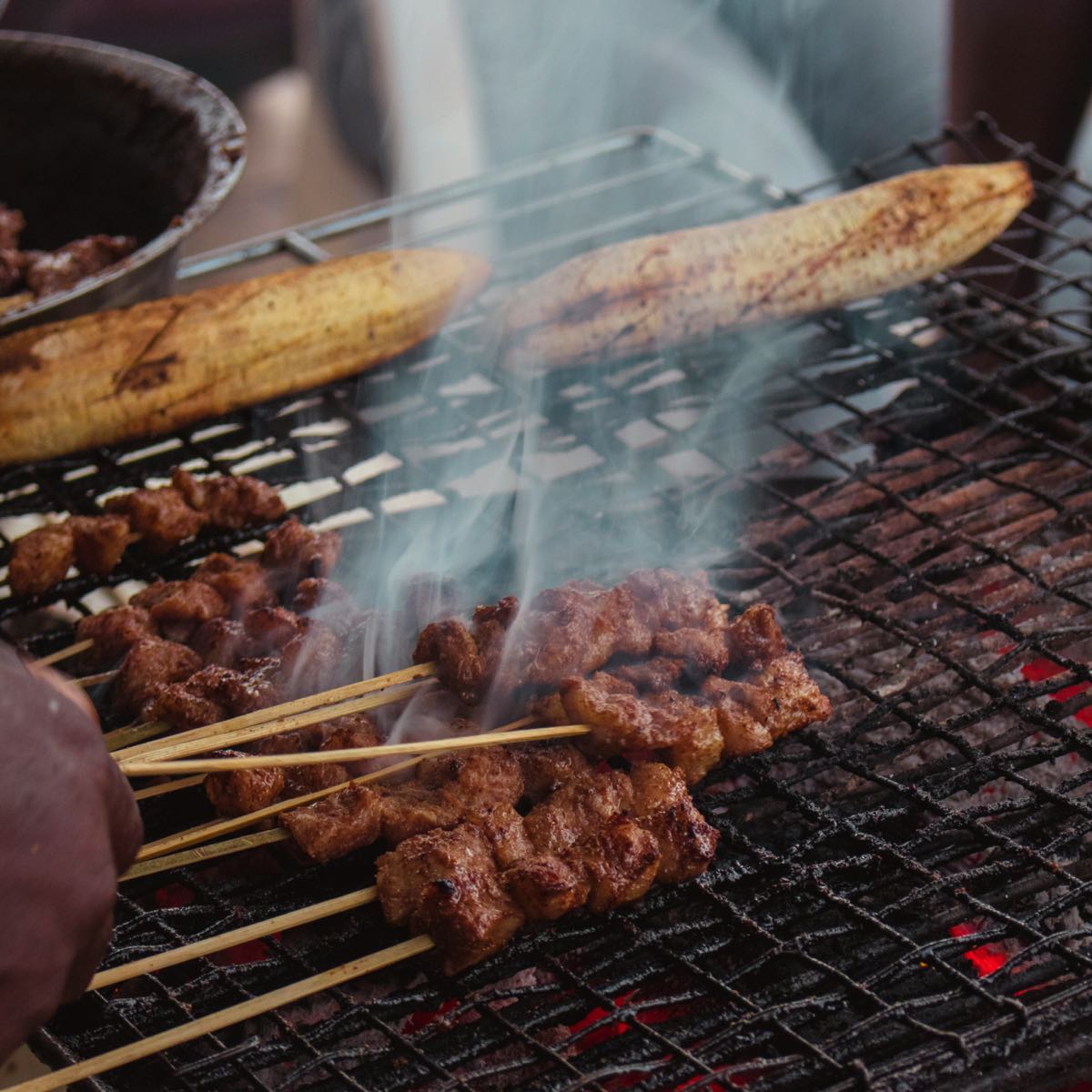
Nyama choma: Kenya's roasted meat tradition. Best joints in Nairobi and Mombasa, how to order, what to eat alongside, and prices from KES 600/kg.
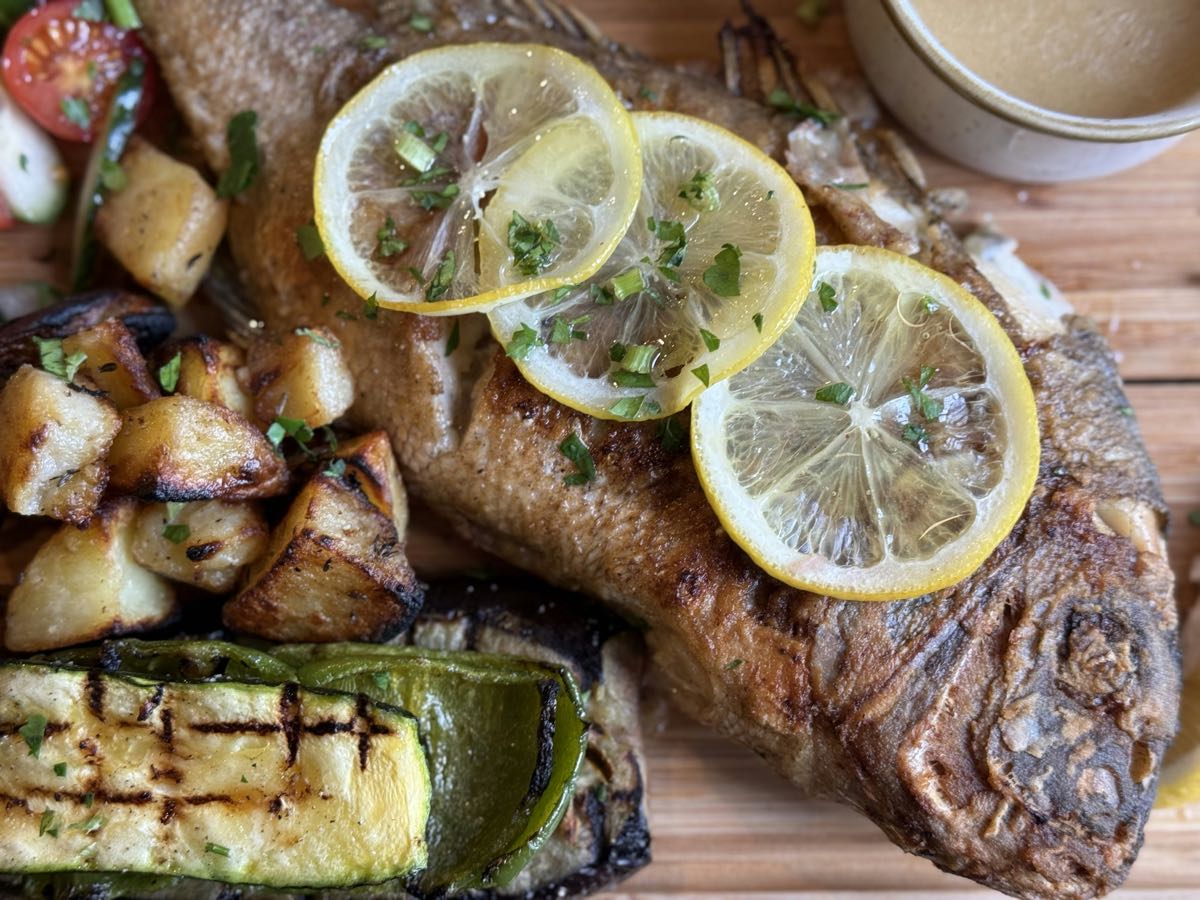
Swahili seafood, biryani, and coastal street food: the best restaurants in Mombasa Old Town, north coast, and south coast for every budget.
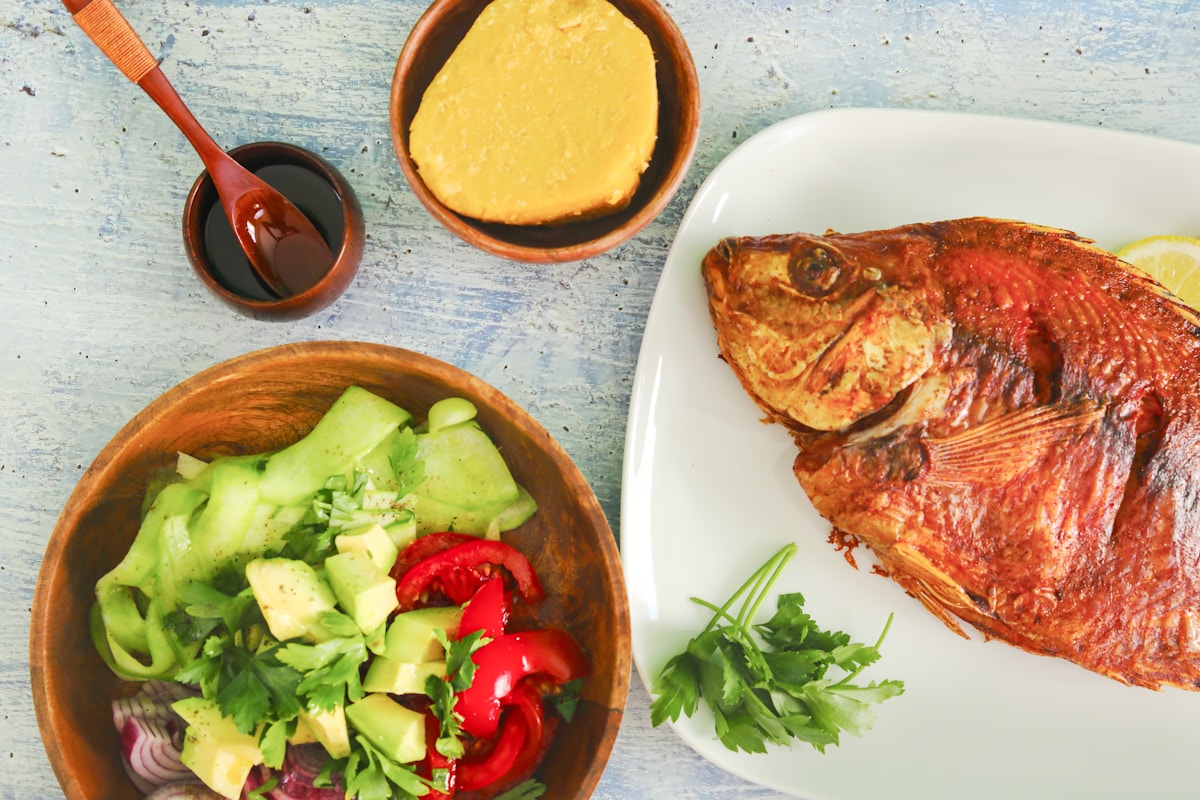
Guide to Kenyan cuisine: nyama choma, ugali, pilau, mandazi, chai, coastal Swahili food, and the best dishes to try across different regions.
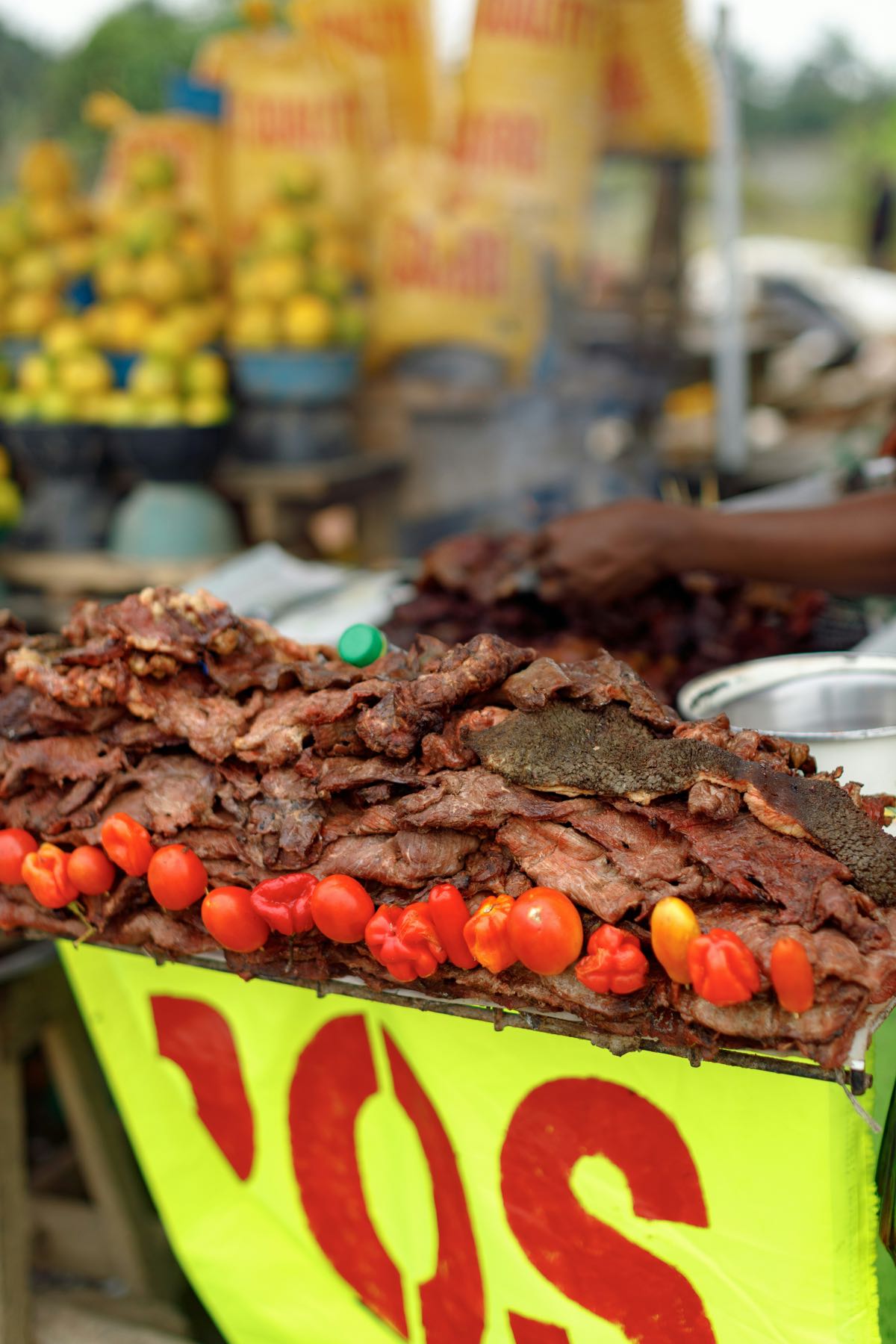
Guide to Kenyan street food: nyama choma, mandazi, mutura, roasted maize, ugali, githeri, samosas, and where to find the best street food across Kenya.
Book an experience
Best price guaranteed · Instant confirmation · Free cancellation on most bookings
Book your Kenya experience