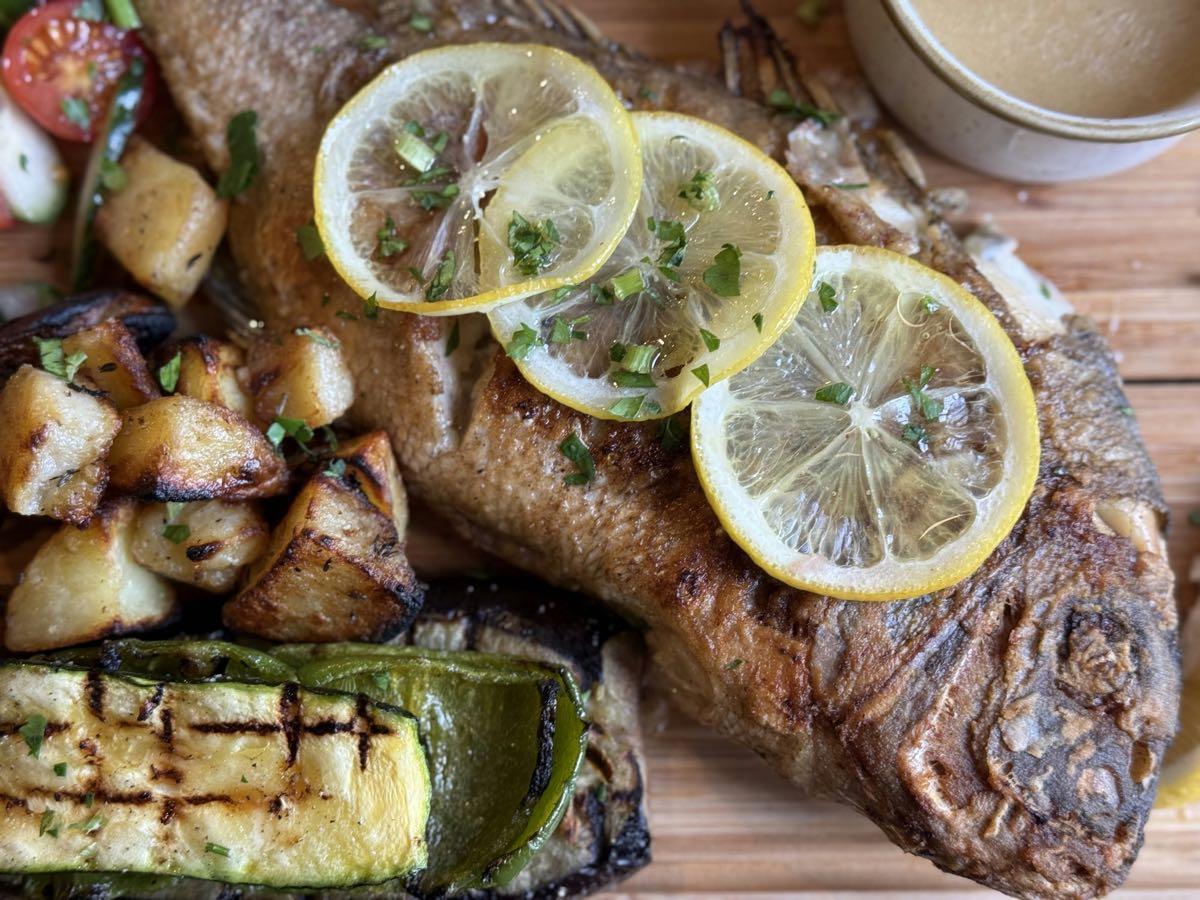
Mombasa’s food scene reflects the city’s identity - a 1,000-year-old port where Arab, Indian, Swahili, and African food traditions have merged into a coastal cuisine unlike anything in inland Kenya.
The best Mombasa food is in the Old Town and along the coastal areas - not in the tourist resort buffets, which are convenient but don’t represent the city’s genuine culinary strengths.
Swahili Coastal Cuisine
Swahili cooking is built around three ingredients: coconut milk (extracted from freshly grated coconut), whole spices (cloves, cardamom, cinnamon, black pepper), and seafood from the Indian Ocean (kingfish, snapper, octopus, prawns, crab). The cooking style is slow - pilau takes 45–60 minutes from raw grain to finished dish, and samaki wa kupaka requires marinating, grilling, and repeated basting. This is not a cuisine of quick preparation.
Fish and Seafood
The Indian Ocean provides fresh fish to Mombasa’s kitchens daily. Key preparations:
Samaki wa kupaka (coconut fish): White-fleshed fish - ideally kingfish, snapper, or tilapia - is first marinated in garlic, turmeric, and coriander paste, then charcoal-grilled until just cooked. A coconut milk sauce enriched with tamarind, cumin, and cardamom is prepared separately, and the fish is returned to the grill and basted repeatedly until the sauce caramelises onto the fish. Approximately KES 700–1,500 depending on fish size as of 2026.
Samaki wa kukaanga (fried fish): Whole fish or fillets deep-fried, served with kachumbari and coconut rice. Widely available across the city.
Prawns: Mombasa’s Indian Ocean prawns are excellent - large, fresh, and cheap by international standards. Available at seafood restaurants along the north and south coast.
Pilau
Pilau is Mombasa’s signature dish and the centrepiece of every celebration from weddings to Eid. Whole spices (cloves, cardamom pods, cinnamon sticks, black peppercorns, cumin seeds) are fried in oil until fragrant. Meat (usually goat, occasionally beef or chicken) is browned in the spice oil. Rinsed long-grain rice is added and stirred through, then water or stock is added and the pot sealed. The rice steams with the meat and spices until all liquid is absorbed. Each cook has their own spice ratio. A good pilau has defined grains, aromatic spice (not overwhelming), and tender meat.
Approximately KES 400–700 for a generous portion at a local restaurant as of 2026.
Biryani
Mombasa biryani differs from Indian biryani - it uses coconut milk rather than yogurt as the base, is typically milder in chilli heat, and sometimes incorporates dried limes (loomi) that give a distinctive sourness. The rice is layered with the meat and slow-cooked in a sealed pot. Considered a celebratory dish, available at weddings and feast days, but several Old Town restaurants serve it daily.
Approximately KES 400–800 for a full plate at a local restaurant.
Mahamri
Deep-fried buns made with wheat flour, coconut milk, sugar, and ground cardamom. When fresh - made to order and served hot - they’re light inside with a crisp golden exterior. Eaten for breakfast or as a snack with chai tea. The best mahamri are made from dough rested overnight. Approximately KES 30–60 each.
Search hotels in Mombasa on Booking.com
Urojo (Mombasa Mix)
A light tamarind-based broth served in a bowl, into which various elements are combined: bhajia (lentil fritters), boiled potato cubes, crispy cassava chips, a boiled egg, chutney, lime juice, and sometimes coconut chilli sauce. The result is part soup, part salad, part snack - with a sharp-sweet-spicy-sour flavour profile unlike anything else. Found at Old Town street stalls for approximately KES 150–250.
Kaimati
Deep-fried dough balls coated in cardamom-spiced syrup. Associated with Eid celebrations but available year-round at coastal bakeries. Approximately KES 20–40 each.
Wali wa Nazi (Coconut Rice)
Rice cooked in coconut milk rather than water, served as a side with fish dishes and meat curries. Richly flavoured and slightly dense.
Mishkaki
Spiced beef or goat skewers grilled over charcoal. Available at street food stalls throughout Mombasa, particularly around Old Town, the ferry area, and evening markets. Approximately KES 50–100 per skewer.
Old Town Eating
The Old Town has a concentration of authentic Swahili restaurants, tea shops, and street food stalls.
Swahili Dishes (Old Town) - a long-established restaurant serving pilau, biryani, and fresh seafood. Basic setting but excellent food. Approximately KES 400–700 for a full plate.
Jahazi Coffee House (adjacent to Fort Jesus) - a good café for coffee, fresh juices, and light Swahili snacks. A useful stop after Fort Jesus.
The Moorings Floating Restaurant (Old Town waterfront) - a floating dhow restaurant. Seafood focused, sunset views over the harbour. Mains approximately KES 1,500–3,000. Touristy but well-executed. For a broader introduction to the Old Town’s food culture, Mombasa guided food tours cover the spice market, Old Town tea houses, and a pilau or biryani lunch in a single outing.
Fort Jesus area tea stalls - several small tea shops around Fort Jesus sell chai, mandazi, and snacks. Cheap, authentic.
Swahili Pot Restaurant (Old Town) specialises in traditional Swahili dishes in slightly more comfortable surroundings than Al Yusra. The pilau and samaki wa kupaka are both well executed. Approximately KES 500–1,000/person.
Singh Restaurant (Old Town) serves an Indian-influenced menu that overlaps with Swahili cooking. Good for samosa, dhal, and vegetable curries. Approximately KES 500–900/person.
North Coast Restaurants
Capricci Restaurant (Bamburi Beach) - long-established Italian-Kenyan restaurant on the north coast. Known for fresh seafood pasta, grilled fish, and Italian classics. Mains approximately KES 1,500–3,000.
The Tamarind Restaurant (near Nyali Bridge) - Mombasa’s most prestigious seafood restaurant, operating since the late 1970s. The terrace overlooks the old harbour. Prawn and crab dishes, fresh fish, well-executed Swahili-influenced menu. Expect approximately KES 2,500–5,500/person for a full meal as of 2026. The lobster is the headline dish when in season (October–March). Book in advance for weekends.
Tamarind Dhow - the Tamarind dinner cruise departing from the Nyali jetty offers the same quality food on a traditional sailing dhow on the harbour. Approximately KES 8,000/person including dinner.
Nomad Restaurant (Nyali) - beachside, casual, good grills and seafood. Approximately KES 1,200–2,500.
South Coast (Diani Area)
Ali Barbour’s Cave Restaurant - a fossilised coral cave used as a fine dining restaurant. Romantic, seafood-focused, candlelit. Mains approximately KES 4,000–6,000. Booking essential.
Nomad Restaurant (Diani) - beachfront casual dining, different from the Nyali Nomad, but similarly good for fresh seafood and grills. KES 1,200–2,500.
Forty Thieves Beach Bar (Diani) - beach bar with affordable food and live music on weekends. KES 800–1,800.
Food Pricing in Mombasa
| Category | Price range | Examples |
|---|---|---|
| Street food | KES 30–200 | Mahamri, mishkaki, samosa |
| Local eatery | KES 300–700 | Biryani, fish with coconut rice |
| Mid-range restaurant | KES 800–2,500 | North coast beach restaurants |
| Upmarket | KES 2,500–6,000 | Tamarind, Ali Barbour’s |
For a full overview of Mombasa including sightseeing, transport, and accommodation, see our Mombasa city guide. Getting to Mombasa from Nairobi by air takes one hour - flights to Mombasa can be booked on the same platforms as international connections. For context on Swahili cuisine traditions across Kenya, see our Kenyan cuisine guide.
Practical Notes
Halal food: Mombasa is predominantly Muslim. Nearly all restaurants serving meat are halal. Alcohol is available in tourist restaurants and bars but not in Old Town eating places.
Ramadan: During Ramadan, many Old Town restaurants reduce hours or close during the day. Iftar (breaking of the fast at sunset) transforms Old Town into a vibrant street food scene - this is actually one of the best times to eat in Mombasa if you are present.
Food allergies: Coconut milk is used widely in coastal cooking - if you have a coconut allergy, always ask about preparation.
For coastal accommodation to base a food exploration trip, see our where to stay in Mombasa guide. Vegan visitors should consult our vegan Mombasa guide. For day trips from Mombasa including the Diani food scene, the Mombasa day trips guide covers the south coast and north coast options. For context on Swahili cuisine traditions across Kenya, see our Kenyan cuisine guide.