Mombasa is not Kenya’s easiest city for vegans. The Swahili coastal food culture centres on fish and meat - the Indian Ocean trade routes brought not only spices but also a deep tradition of seafood eating that runs through every local restaurant menu.
That said, there’s enough plant-based food available to eat well if you know where to look and are willing to ask questions. The distinction between vegetarian and vegan is not always understood at local restaurants - clarify specifically that you don’t eat eggs or dairy if that matters.
Naturally Vegan Swahili Dishes
Several traditional Swahili coast dishes are vegan by default, made without any animal products.
Wali wa Nazi (Coconut Rice): Rice cooked in fresh coconut milk with salt and turmeric. Rich, naturally sweet, and one of the best rice preparations in East Africa. It’s a standard side dish at coastal restaurants - ask for a plate of it with a vegetable dish and you have a complete meal.
Mahamri: Deep-fried coconut bread made with wheat flour, coconut milk, cardamom, and yeast. No eggs, no dairy. Best eaten fresh from the stall in Old Town. Approximately KES 30–50 each.
Viazi Karai (Fried Cassava): Cassava chips, deep-fried and served with chilli sauce or tamarind dip. Available at street stalls in Old Town. Approximately KES 100–200 per portion.
Viazi vya Nazi (Cassava in Coconut): Cassava cooked in coconut milk with turmeric. A simple but satisfying dish that appears on the menus of some Old Town restaurants.
Biriani ya Mboga (Vegetable Biryani): A vegetable version of the Swahili biryani with potatoes, carrots, and peas cooked in spiced coconut milk rice. Not on every menu but available if asked at local restaurants.
Mkate wa Ufuta (Sesame Bread): Flat, unleavened bread made with sesame seeds. Baked in clay ovens in Old Town bakeries. Naturally vegan.
Matoke: Cooked green bananas, common in western Kenya but available on some coastal menus as a side dish.
Tropical Fruit
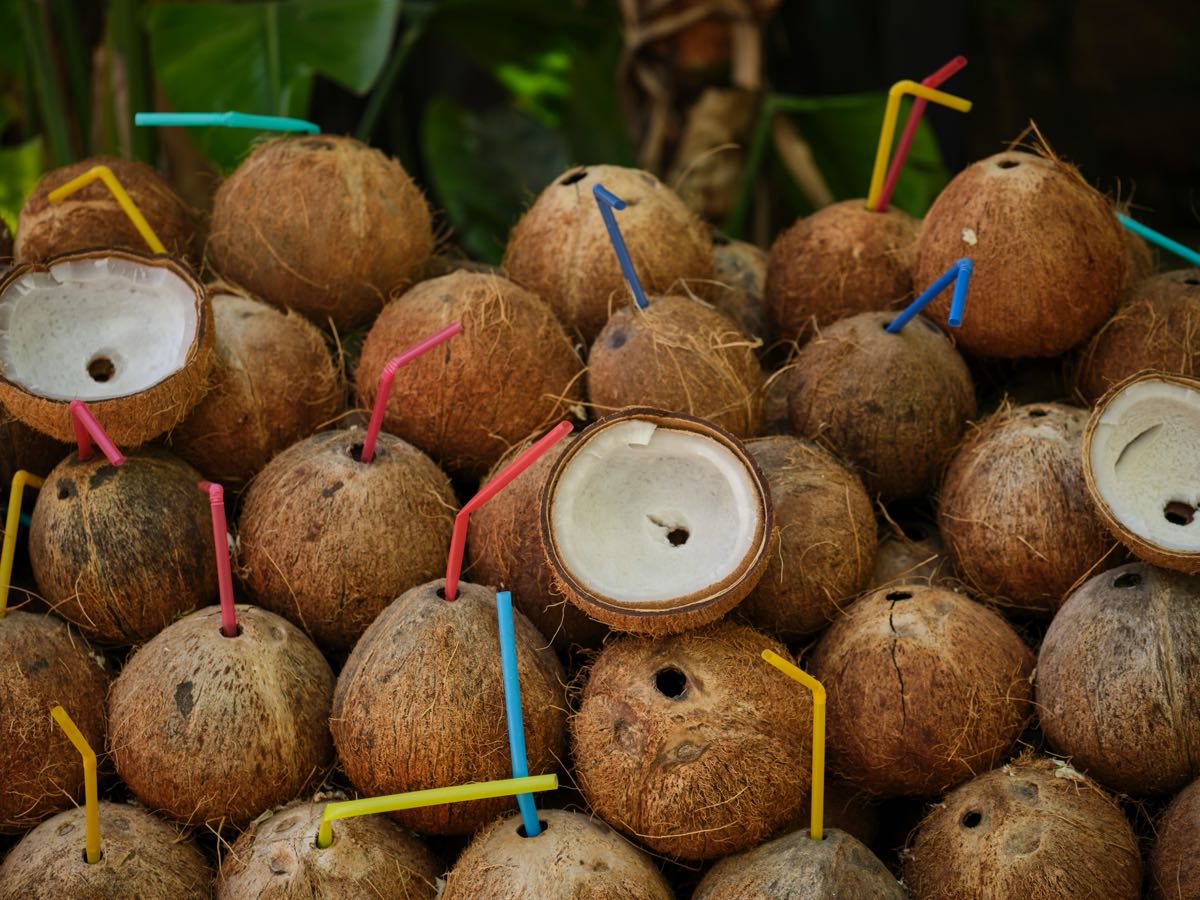
Mombasa’s climate produces extraordinary tropical fruit. The Old Town market and the fruit stalls along the main roads stock: mangoes (available almost year-round, exceptional April–May when the best varieties ripen), pawpaw (papaya), pineapples, passion fruit, coconuts (served chilled as fresh drinking coconuts), guavas, and tamarind.
Fresh juice stalls are common throughout Old Town and the city - approximately KES 80–150 for a fresh juice depending on the fruit.
A strong strategy for vegan visitors is to eat a market breakfast (fresh fruit, mahamri, coconut milk tea) rather than hotel breakfast, which tends towards eggs and toast.
Search hotels in Mombasa on Booking.com
Indian Restaurants - Best Bet for Vegans
Splendid View Restaurant (Haile Selassie Road) has a strong Indian-influenced vegetarian menu. The dhal makhani, saag paneer (dairy, check if this is acceptable), mixed vegetable curry, and rice are reliably available. Ask for dishes to be made without ghee (clarified butter) for a vegan version - this request is generally understood. Approximately KES 600–900/person.
Singh Restaurant (Old Town) serves lentil dishes, vegetable curries, and rice preparations. The dhal fry and aloo gobi (potato and cauliflower) are good options. Approximately KES 500–800/person.
Bombay Restaurant (Digo Road, city centre) is a mid-range Indian restaurant with an extensive vegetarian section - several of the dishes are naturally vegan. Budget approximately KES 700–1,200/person.
Beach Hotel Buffets
The large North Coast resort hotels (Sarova Whitesands, Voyager, Bamburi Beach) serve buffet meals where plant-based options are always present. At breakfast: fresh fruit, cereals, bread, juices. At lunch and dinner: salad bars, vegetable dishes, and starch options. The quality of the specifically vegan options varies by hotel, but the variety is generally adequate.
Self-Catering
The most reliable strategy for vegans visiting for a week or more is self-catering. Nakumatt (now Naivas) and Chandarana supermarkets stock imported vegan products: plant-based milks, tofu, nutritional yeast, and some vegan cheese alternatives. The Old Town market is better for fresh produce, spices, legumes, and grains.
A self-catering kitchen with market produce can produce excellent Swahili-inspired vegan food - coconut milk, lentils, fresh vegetables, and a spice blend from the Old Town spice market makes for excellent homemade pilau without meat.
Practical Tips for Vegan Visitors
Learn the Swahili phrase: “Sili nyama, samaki, maziwa, au mayai” (“I don’t eat meat, fish, milk, or eggs”). Having this phrase ready at local restaurants reduces misunderstandings significantly.
Ramadan timing: During Ramadan, many Old Town restaurants close for iftar preparations during the day. Fresh fruit vendors and some bread stalls remain open. Evening meals after iftar are more widely available.
Coast vs Nairobi: Nairobi has a more developed plant-based dining scene with dedicated vegetarian and health-food restaurants in Westlands and Kilimani. See our vegan Nairobi guide for Nairobi-specific options.
Fish caution: In Mombasa, “vegetarian” is sometimes interpreted as “no red meat but fish is fine.” Clarify carefully if strict avoidance is required.
For a full guide to Mombasa’s food scene beyond plant-based options, see the Mombasa food guide and the Mombasa Swahili food guide. Visiting as part of a wider trip? Mombasa tours include Old Town food walks and cooking experiences that can accommodate dietary requirements on request. For exploring the city itself, see the Mombasa city guide. For vegan eating across Kenya including safari camps and Nairobi, see our vegan Kenya guide.