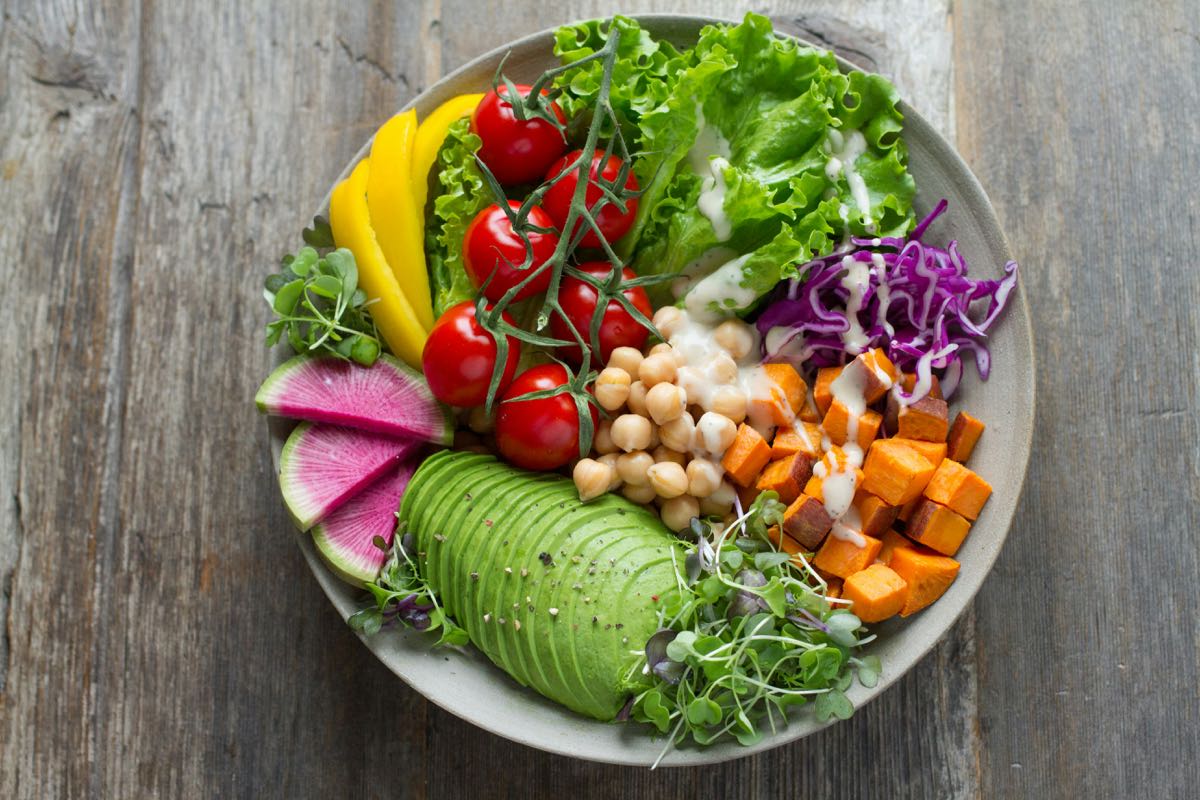
Kenya presents a mixed picture for vegan travellers. The country has strong vegan potential - abundant fresh produce, tropical fruits, legumes, and a coastal cuisine built partly on vegetable-based coconut cooking. But the mainstream food culture centres heavily on meat, and traditional hospitality often revolves around offering animal-based food.
This guide covers how to eat well as a vegan across all of Kenya’s main travel contexts. For useful Swahili food vocabulary, see our basic Swahili phrases guide.
Nairobi
Nairobi is the most vegan-friendly city in Kenya, with dedicated plant-based restaurants, excellent supermarkets, and a cosmopolitan food scene. See the full Vegan in Nairobi guide for restaurant recommendations.
Safari Lodges and Tented Camps
Search hotels in Kenya on Booking.com
Safari camps and lodges prepare all meals from scratch - there is no buffet sourced from a food service company. This means dietary requirements can be accommodated with advance notice.
What to do:
- State your dietary requirements clearly when making your reservation
- Confirm again in writing to the lodge 1–2 weeks before arrival
- On arrival, confirm with the head chef or kitchen
What lodges can typically provide:
- Full vegan breakfast (fruits, porridge, toast, cooked tomato and mushroom, fresh juices)
- Vegan lunch (salads, grain dishes, cooked vegetables)
- Vegan dinner (a proper main dish, not just side dishes)
Realistic expectations: At luxury lodges (USD 400+/person/night), expect creative, well-executed vegan dishes. At mid-range and budget lodges, expect simpler but still adequate provisions. Budget camping safaris with shared meals may have less flexibility - confirm specifically with the operator.
Packed lunches on game drives: Lunches eaten in the bush are often packed boxes. Request vegan packed lunches at the same time as your dietary notification. When comparing safari options, Kenya safari tours can be filtered to find lodges experienced with dietary requirements.
The Kenya Coast
The coast offers better vegan eating than the inland parks:
Coconut-based cooking: Swahili coastal cuisine uses coconut milk extensively - coconut rice, vegetable curries in coconut sauce, and fruit are naturally abundant.
Fish vs. vegan: The coast is seafood-centric - “meatless” can mean fish here. Be explicit: “Sina samaki, wala nyama” (no fish, no meat either).
Lamu: Lamu’s small cafés and guesthouses are accustomed to international visitors with varied dietary requirements. Fresh fruit is abundant. Mahamri (sweet coconut bread) is commonly made without dairy.
Indian Ocean fruits: Mangoes, coconuts, passion fruit, pineapple, papaya, jackfruit (the unripe version is widely available and makes a good meat substitute). Fruit stalls are everywhere on the coast.
Mombasa: Old Town restaurants can sometimes prepare vegetable-only versions of pilau and biryani on request. The spice markets in Old Town sell excellent whole spices for self-catering.
Naivasha and the Rift Valley
Lake Naivasha area: Accommodation ranges from camping to mid-range lodges. The lodges can accommodate vegans with advance notice. The town of Naivasha has a covered market with excellent fresh produce.
Hell’s Gate: The day-trip nature means you eat before/after rather than in the park. Carry your own packed food.
Traditional Kenyan Vegan Staples
When eating locally - in towns, with local families, or at roadside eateries - these are your best options:
| Dish | Ingredients | Available |
|---|---|---|
| Ugali | Maize flour + water | Everywhere |
| Sukuma wiki (request no fat) | Collard greens, onion | Everywhere |
| Githeri | Maize + beans | Local restaurants |
| Matoke | Green banana | Western Kenya |
| Fresh fruit | Mango, banana, passion fruit, papaya | Markets, roadside |
| Avocado | Avocado | Nairobi, western Kenya |
| Beans (maharagwe) | Red kidney beans in tomato | Local restaurants |
Avocado in Kenya: Kenya grows excellent avocados - large, creamy, very cheap (KES 20–50 each at markets). Avocado with chapati or ugali is a good vegan meal in any local eatery. For Nairobi-specific vegan restaurants and cafés, see our vegan Nairobi guide. For the coast, the vegan Mombasa guide covers the best plant-based eating on the Swahili coast. For a broader overview of Kenyan food traditions, see our Kenyan cuisine guide. For useful Swahili phrases when navigating dietary requirements on safari, see the basic Swahili phrases guide.
Buying Food for Self-Catering
Nairobi: Chandarana Supermarket (Westlands, Karen) is the best source for specialist vegan products. Naivas and Quickmart have excellent fresh produce sections.
Mombasa: The Nakumatt-era supermarkets have been replaced by Naivas and Carrefour. Both stock reasonable vegan staples.
Markets: Every Kenyan town has an open-air market. Fresh vegetables, fruit, beans, and whole grains are significantly cheaper here than in supermarkets. Buying from the market directly supports local small-scale farmers.
Key Phrases
- “Mimi ni mboga nywa” - I am vegetarian/vegan (not technically precise in Swahili but understood)
- “Bila nyama” - without meat
- “Bila samaki” - without fish
- “Bila mayai” - without eggs
- “Bila maziwa” - without milk/dairy
- “Je kuna nyama ndani?” - Is there meat inside/in this?