Search hotels in Kenya on Booking.com
Swahili (Kiswahili) is one of Kenya’s two official languages alongside English. While English is widely used in business, tourism, and education, Swahili is the language of daily life across the country. Even a handful of Swahili words will earn genuine smiles and open doors that English alone cannot.
Greetings and Basics
| English | Swahili | Pronunciation |
|---|---|---|
| Hello | Jambo | JAM-bo |
| How are you? | Habari? | ha-BAR-ee |
| I’m fine | Mzuri | m-ZOO-ree |
| Thank you | Asante | ah-SAN-teh |
| Thank you very much | Asante sana | ah-SAN-teh SAH-nah |
| Please | Tafadhali | tah-fah-DAH-lee |
| Yes | Ndiyo | n-DEE-yo |
| No | Hapana | hah-PAH-nah |
| Excuse me | Samahani | sah-mah-HAH-nee |
| Goodbye | Kwaheri | kwah-HEH-ree |
| No problem | Hakuna matata | hah-KOO-nah mah-TAH-tah |
Getting Around
| English | Swahili | Pronunciation |
|---|---|---|
| Where is…? | …iko wapi? | ee-koh WAH-pee |
| How much is this? | Hii ni bei gani? | hee nee bay GAH-nee |
| Too expensive | Ghali sana | GAH-lee SAH-nah |
| Left | Kushoto | koo-SHO-toh |
| Right | Kulia | koo-LEE-ah |
| Stop here | Simama hapa | see-MAH-mah HAH-pah |
| I want to go to… | Nataka kwenda… | nah-TAH-kah KWEN-dah |
| Bus station | Kituo cha basi | kee-TOO-oh cha BAH-see |
| How far? | Mbali gani? | m-BAH-lee GAH-nee |
| Slowly | Pole pole | POH-leh POH-leh |
Food and Dining
| English | Swahili | Pronunciation |
|---|---|---|
| Food | Chakula | cha-KOO-lah |
| Water | Maji | MAH-jee |
| The bill, please | Bili, tafadhali | BEE-lee tah-fah-DAH-lee |
| Delicious | Tamu | TAH-moo |
| I don’t eat meat | Sili nyama | SEE-lee NYAH-mah |
| Tea | Chai | CHY |
| Coffee | Kahawa | kah-HAH-wah |
| Beer | Bia | BEE-ah |
| Rice | Wali | WAH-lee |
| Chicken | Kuku | KOO-koo |
Numbers
| Number | Swahili | Pronunciation |
|---|---|---|
| 1 | Moja | MOH-jah |
| 2 | Mbili | m-BEE-lee |
| 3 | Tatu | TAH-too |
| 4 | Nne | n-NEH |
| 5 | Tano | TAH-noh |
| 6 | Sita | SEE-tah |
| 7 | Saba | SAH-bah |
| 8 | Nane | NAH-neh |
| 9 | Tisa | TEE-sah |
| 10 | Kumi | KOO-mee |
Emergency Phrases
| English | Swahili | Pronunciation |
|---|---|---|
| Help! | Msaada! | m-SAH-dah |
| Police | Polisi | poh-LEE-see |
| Hospital | Hospitali | hos-pee-TAH-lee |
| I need a doctor | Nahitaji daktari | nah-hee-TAH-jee dak-TAH-ree |
| I am lost | Nimepotea | nee-meh-poh-TEH-ah |
| Call an ambulance | Piga simu ambulensi | PEE-gah SEE-moo am-boo-LEN-see |
Cultural Tips for Using Swahili
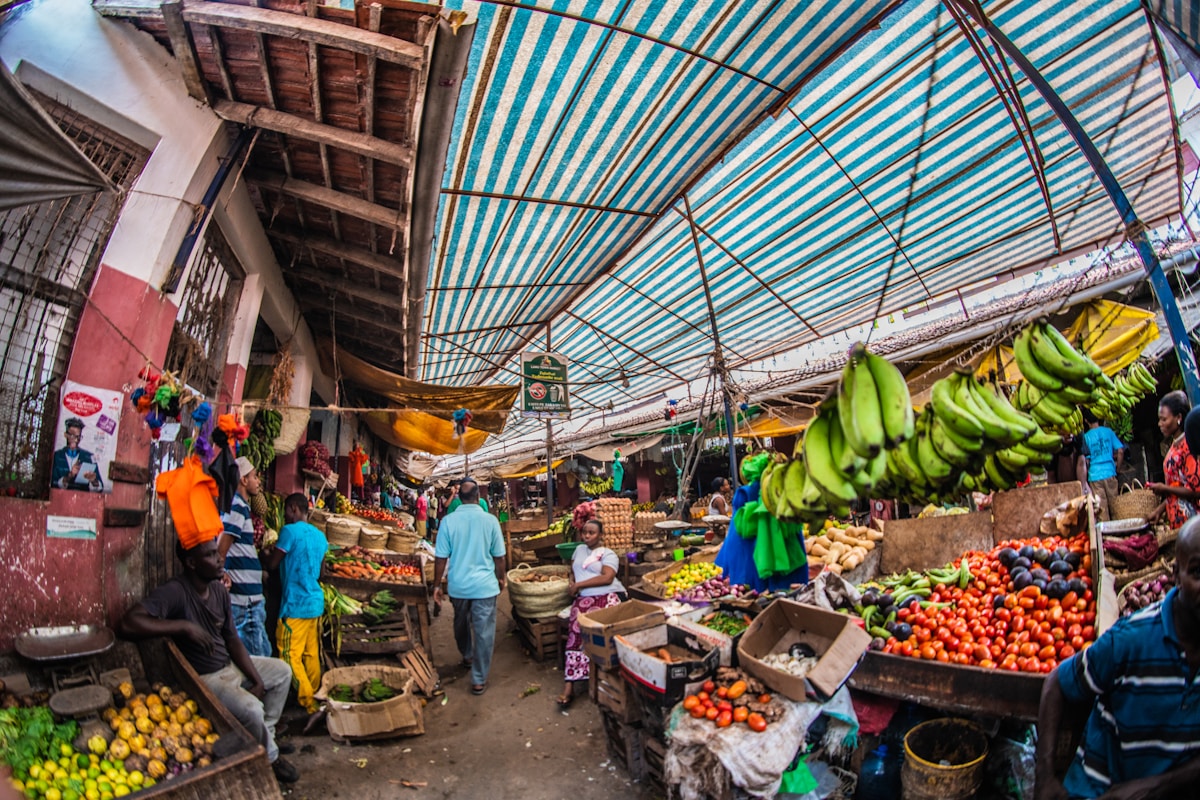
Greetings matter deeply in Kenyan culture. Rushing past a greeting to make a request is considered rude - always say “Jambo” or “Habari” before asking for anything. The phrase “Hakuna matata” (no problem) is genuinely used in daily conversation, not just in films. When someone does you a favour, “Asante sana” (thank you very much) carries real weight. In coastal areas like Mombasa and Lamu, Swahili is the primary language and locals will especially appreciate your effort. In Nairobi, English dominates business settings but Swahili is the language of matatus (minibuses), markets, and casual conversation.
Swahili pronunciation is straightforward compared to many languages - every letter is pronounced, vowels are consistent (a=ah, e=eh, i=ee, o=oh, u=oo), and stress usually falls on the second-to-last syllable. There are no silent letters and no tonal distinctions to worry about. We recommend starting with “Jambo” and “Asante” on day one. Most Kenyans will immediately warm to you for trying, and many will happily teach you more phrases along the way.
For more on planning your Kenya trip, see our first-time Kenya guide and our Kenya visa guide. If you’d like a guide to handle the language bridge on your behalf, Kenya tours with local guides are a practical way to navigate the country comfortably. When exploring coastal towns where Swahili is the primary language, see our Mombasa city guide and Lamu guide. For the coast’s rich food culture and Swahili culinary vocabulary, our Mombasa Swahili food guide explains the key dishes and terms. For general safety guidance for Kenya travel, see our is Kenya safe guide.
Plan Your Trip
✈️ Book your flights to Kenya 🛡️ Get travel insurance 📱 Stay connected with an eSIM 🚗 Rent a car