Mombasa’s food is defined by the Indian Ocean trade routes that shaped the coast for over a thousand years. Arab traders brought spices - cardamom, cloves, black pepper, cinnamon - and cooking techniques. Indian merchants introduced biryani and samosa traditions. The result is a Swahili coastal cuisine unlike anything in Kenya’s interior.
Understanding Swahili Cuisine
Pilau is the signature dish of the Mombasa coast and a staple at every celebration. Unlike plain steamed rice, pilau is cooked with whole spices - cloves, cardamom pods, cinnamon sticks, cumin, and black peppercorns - that infuse the rice from the start of cooking. Meat (usually goat or beef) is cooked into the pilau. Each family and restaurant has a slightly different spice ratio, making quality vary significantly. A generous portion at a local restaurant costs approximately KES 400–600.
Biryani on the Swahili coast differs from Hyderabadi or Pakistani biryani. The Mombasa version uses coconut milk, is milder in chilli heat, and often incorporates whole dried limes. The coastal biryani is typically goat or chicken. A portion costs approximately KES 500–800.
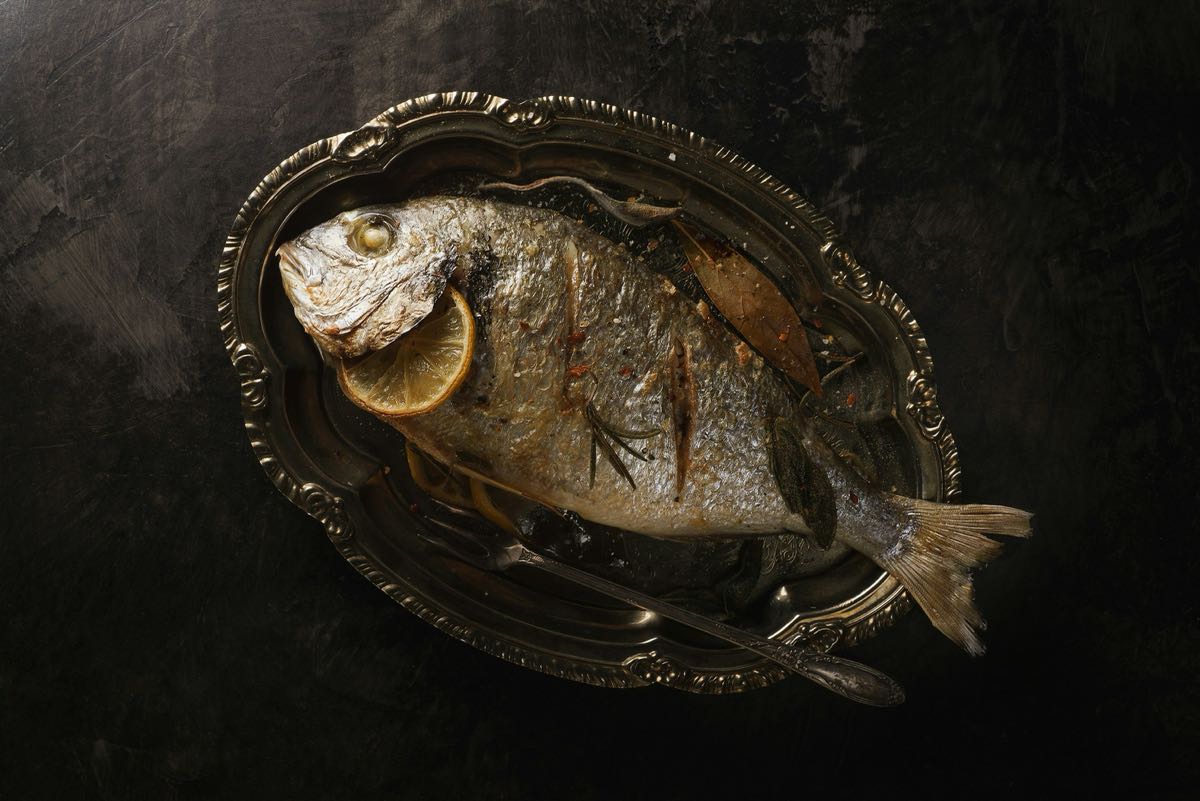
Samaki wa Kupaka is the coastal fish dish: white-fleshed fish (tilapia, snapper, or kingfish) marinated in coconut cream with garlic, turmeric, and coriander, then grilled over charcoal. The coconut sauce is complex and aromatic. Approximately KES 700–1,200 per portion depending on fish size.
Mahamri are deep-fried coconut bread rolls, slightly sweet, cooked with coconut milk and cardamom. They’re the coastal equivalent of mandazi but richer. Eaten for breakfast or as a snack with tea, costing approximately KES 30–60 each. The best mahamri are made to order and served hot.
Urojo (also called Zanzibar Mix or Mombasa Mix) is a street food soup-salad hybrid: a light tamarind-based broth containing bhajia (lentil fritters), potatoes, cassava chips, boiled egg, chutney, and a squeeze of lime. It’s unusual and strongly divisive - locals love it. Found at street stalls in Old Town for approximately KES 150–250.
Kaimati are deep-fried dough balls coated in cardamom-infused syrup. Popular as an Eid celebration sweet but available at coastal bakeries year-round. Approximately KES 20–30 each.
Restaurants in Old Town and City Centre
Al Yusra Restaurant (Old Town, near Fort Jesus) is the most consistently recommended local Swahili restaurant in Mombasa. The menu covers pilau, biryani, and a changing selection of the day’s fresh fish. Seating is basic - plastic chairs, communal tables - but the cooking is authentic and prices are honest: approximately KES 400–800 per person. Opens at lunchtime and runs until late evening.
Splendid View Restaurant (Haile Selassie Road, city centre) has been operating for decades and is known as much for its Indian curry menu as for the Swahili dishes. Lunch thali plates are a bargain at approximately KES 700–900. The evening menu expands to include biryani and grilled fish. Vegetarian options are available.
Singh Restaurant (Mombasa Old Town) serves an Indian-influenced menu that overlaps with the Swahili cooking tradition. Mutton curry, fish dishes, and vegetable sides are the core of the menu. Approximately KES 600–1,000 per person. Used by local workers for lunch and by tourists exploring Old Town in the evenings.
Old Town Tea House is a small café near the Mandhry Mosque serving chai tea, mahamri, mandazi, and light snacks. An excellent morning stop before or after exploring Old Town. Tea and two mahamri costs approximately KES 200.
Restaurants on the North Coast
Tamarind Mombasa (Cement Silos Road, near Nyali Bridge) is the most prestigious restaurant in Mombasa and one of the best-known restaurants on the East African coast. It specialises in fresh seafood prepared with Swahili and international techniques. The terrace dining room overlooks the old harbour. Expect approximately KES 2,500–5,500 per person for a full meal including a starter and dessert. The lobster is the headline dish when in season. Reservations essential.
Tana Restaurant (Serena Beach Resort, Bamburi) is the main restaurant of the Serena Beach Resort. It’s open to non-residents for dinner and serves Swahili-influenced seafood and international dishes. Approximately KES 1,800–3,500 per person.
Street Food Areas
Old Town is the best street food zone in Mombasa. The streets around the Mandhry Mosque and the market areas off Ndia Kuu Road are active from mid-morning through late evening. Look for pilau stalls, samosa vendors (the Mombasa samosa is larger and spicier than the Nairobi version), urojo stalls, and mandazi sellers. For a guided Mombasa food tour covering Old Town’s street stalls and the spice market, local operators offer half-day and evening options.
Mtwapa (15km north on the B8 road) is a coastal town with a lively nightlife and street food scene. The main strip has grilled fish stalls, coconut maize roasters, and nyama choma stands that run until midnight.
Likoni market (South Coast, at the ferry exit) has a cluster of street food stalls selling pilau, roast maize, and mandazi to commuters. Prices are lower here than in city centre stalls.
Practical Notes
Halal considerations: Mombasa is a majority Muslim city. Most restaurants are halal. Alcohol is available at licensed hotels and beach resorts but is not served at local Swahili restaurants.
Search hotels in Mombasa on Booking.com
Seafood freshness: The best fish is available at lunch at restaurants near the landing sites. By evening, many smaller restaurants are serving fish from the morning’s catch. Ask whether the fish is fresh or frozen.
Ramadan timing: If visiting during Ramadan, most local restaurants close during daylight hours and open after sunset. The evening iftar meals at local restaurants during Ramadan are exceptionally good value - larger portions at standard prices.
For a wider guide to Kenyan food traditions across the country, see our Kenyan cuisine guide. For more on what to do in Mombasa, see our Mombasa things to do guide. For detailed Swahili coastal recipes and restaurants, the Mombasa Swahili food guide goes deeper into the cuisine. For where to stay, see our Mombasa hotels guide.