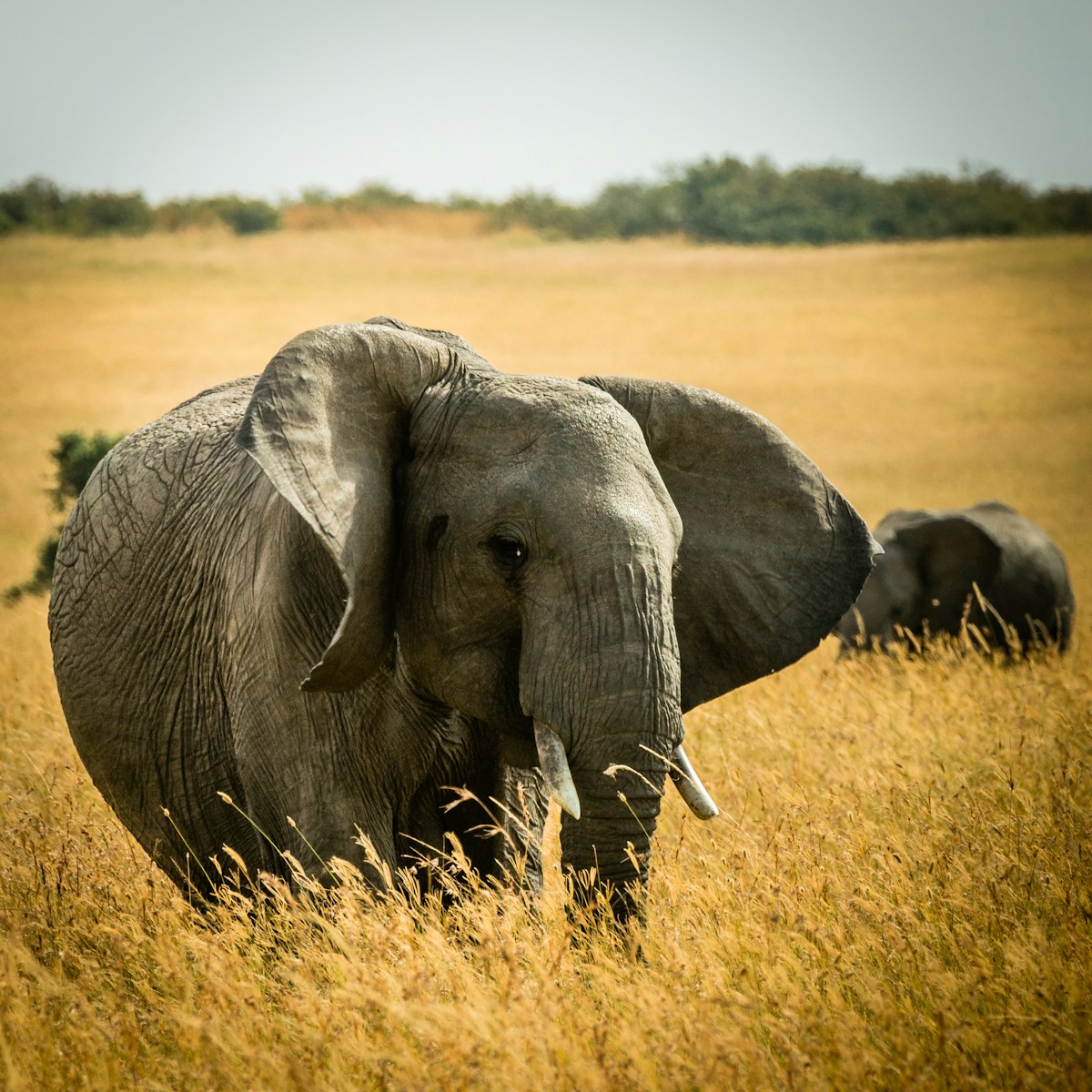
Narok County enacted the Wildlife Conservancies Act on 5 August 2026, creating a formal legal framework for the private and community conservancies that buffer and support the Maasai Mara National Reserve. The same week, tourism stakeholders signed an expansion agreement aimed at extending the protected Mara ecosystem.
What the Act Does
The Wildlife Conservancies Act establishes a Wildlife Conservancies Fund within Narok County’s budget, requiring a minimum of 2% of county revenue to be directed toward conservancy support each financial year. It also sets out licensing and governance standards for the more than 30 private and community conservancies that operate alongside the Maasai Mara National Reserve.
Conservancy operators, community group ranches, and the tourism sector had lobbied for the legislation for several years, arguing that the conservancies — which collectively cover more land than the reserve itself — lacked the legal standing and financial backing to sustain long-term wildlife management. The Act addresses both gaps.
The Mara Expansion Agreement
Alongside the Act, tourism stakeholders signed a memorandum of understanding on 5 August to support the physical expansion of the protected Mara ecosystem northward into areas of the Loita Plains. The agreement includes revenue-sharing arrangements with local Maasai communities, designed to give landholders a direct financial stake in conservation outcomes.
This comes against a backdrop of concern over wildebeest numbers. The 2025 aerial count recorded a drop in the Mara–Serengeti wildebeest population, attributed to land pressure at the northern end of the migration corridor and reduced rainfall in the Serengeti calving grounds. The expansion agreement is partly intended to protect the critical northward grazing routes the herds use during the peak migration months of July through October.
What This Means for Visitors
The Maasai Mara remains one of the world’s best-known safari destinations, and the Great Migration crossing season is currently underway. The legislative changes are unlikely to affect the visitor experience in the short term — game drives, balloon safaris, and guided walks continue as normal across the reserve and conservancies.
Longer term, a more secure funding base for the conservancies should support anti-poaching operations, habitat management, and the guided community conservancy experiences — night drives, walking safaris, and Maasai cultural visits — that are only available outside the main reserve boundary.
For those planning a trip, our wildlife guides cover the best times to see the Great Migration crossing, which conservancy camps to consider for exclusive access, and how the Mara ecosystem is structured. Practical information on getting to the Mara from Nairobi is also covered. The trekking section covers Mount Kenya and the Aberdares for visitors combining safari with highland hiking.
The conservancy sector’s new legal footing is a meaningful development for the long-term health of Kenya’s most-visited wildlife destination.