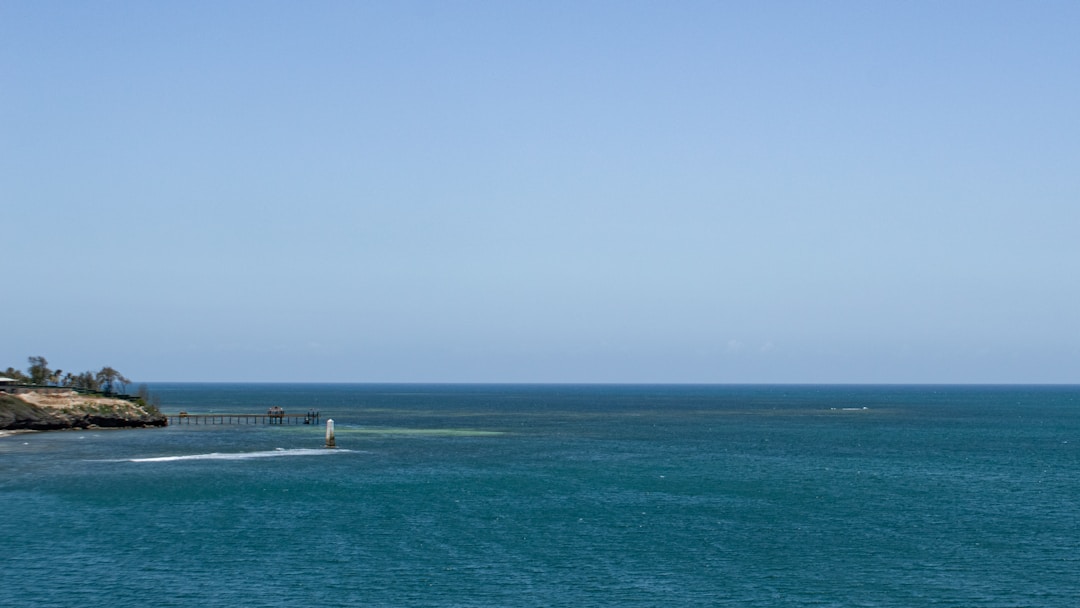
Malindi Marine National Park and Reserve covers approximately 213 square kilometres of Indian Ocean reef system stretching south from Malindi town to the Ras Ngomeni headland. It is one of East Africa’s oldest marine protected areas, established in 1968, and contains some of the most accessible coral reef diving and snorkelling on the Kenyan coast. The park is separated into a strict National Park zone (no extraction permitted) and a surrounding Marine Reserve zone where artisanal fishing continues.
The Reef and What to Expect Underwater
The marine park contains a series of coral outcrops and reef gardens starting approximately 2-4km offshore from Malindi town. The reefs are not in the same pristine condition as a first-generation dive destination - decades of visitor pressure, coral bleaching events, and river sedimentation from the Sabaki River have degraded some sections. However, the park’s managed areas still support significant marine life and are well worth visiting for snorkellers and divers.
What to look for: Green and hawksbill sea turtles are regularly seen in the park, particularly in the Barracuda and Tewa coral patches. Reef fish are abundant - lionfish, triggerfish, angelfish, and schools of blue fusiliers are common. In deeper sections (12-20m) outside the snorkelling areas, white-tip reef sharks are present. Dolphins are occasionally sighted in the channel between the reef and the shore.
Water visibility is highly seasonal. In the July-October period, visibility regularly reaches 10-15m. From March to June, the Sabaki River drains into the bay north of Malindi and the river plume significantly reduces visibility - sometimes to 2-3m. The best diving conditions coincide with the July-September dry season.
Coral health in the shallow snorkelling sections is mixed. The 2016 El Nino bleaching event caused significant coral mortality in shallow reef areas. Recovery is ongoing, and the deeper sections (8-20m) retain more intact coral structures. Responsible operators will guide you to the better-preserved sections.
Entry Fees and Booking
Park entry for non-resident adults costs approximately USD 20 per person as of 2026. Children under 12 pay approximately USD 10. East African Community citizens pay approximately KES 215 per adult. Fees are paid at the Kenya Wildlife Service gate at the main jetty in Malindi town before boarding the snorkelling boats. Keep your receipt, as rangers sometimes check during the trip.
Most visitors book through a local tour operator who bundles the park entry fee, boat hire, snorkelling equipment, and a guide into a single package. This is simpler than arranging each element separately.
Tour Operators
Malindi Marine Adventures operates from the main jetty at Malindi town and is one of the longest-established operators working the marine park. Their standard snorkelling package (park entry, boat, equipment, guide) costs approximately USD 40-55 per person for a 2-3 hour trip. Groups of four or more can usually negotiate a slight reduction. The boats hold up to 8-10 people comfortably.
Blue Fin Divers is the primary scuba diving operator at Malindi and offers both recreational diving for certified divers and discovery dives for first-timers. A two-tank boat dive for certified divers costs approximately USD 90-110 including equipment. A discovery/intro dive for non-certified divers runs approximately USD 80-95. PADI Open Water certification courses are available for approximately USD 400-450 for the full course spread over 3-4 days.
KWS Glass-Bottom Boats are operated directly by Kenya Wildlife Service from the jetty. A glass-bottom boat tour of the reef costs approximately USD 25-35 per person for approximately 1 hour. No swimming is required. This is the best option for families with young children or visitors who do not want to snorkel.
For combined Malindi town and marine park tours covering the historic Portuguese sites and the reef, guided Malindi tours are available and typically last a full day.
The Vasco da Gama Pillar
The Vasco da Gama Pillar at Malindi’s southern headland is not technically within the marine park but is closely associated with the same stretch of coast. The Portuguese erected the pillar in 1498 when Vasco da Gama’s fleet made a friendly stop at Malindi during the first European voyage to India. The coral limestone cross still stands on the headland and is one of the oldest European monuments in sub-Saharan Africa. Entry costs approximately KES 200 per adult as of 2026. The pillar is 5 minutes by tuk-tuk from Malindi town centre.
The Italian Community and Malindi’s Character
Malindi has an unusually large Italian expatriate community, estimated at several thousand permanent residents and a much larger seasonal population during the European winter months. The Italian presence dates to the 1980s when Malindi became popular as a charter flight destination from Italian holiday markets. The practical effect is a disproportionate number of Italian restaurants and cafes in town, Italian-language signage in some establishments, and a general familiarity with European visitor expectations among hotel and restaurant staff.
Search hotels in Malindi on Booking.com
La Malindina Restaurant is one of the longer-established Italian restaurants in Malindi and serves authentic pasta, wood-fired pizza, and fresh seafood with Italian preparation. A full dinner costs approximately KES 2,000-4,000 per person. Located on Lamu Road, Malindi.
Jua Kali Bar and Restaurant near the waterfront serves a mixed menu including fresh grilled fish at approximately KES 700-1,200 per portion. Popular with Italian and Kenyan visitors alike.
Getting to Malindi
Malindi is 120km north of Mombasa. By public transport, matatus and buses run regularly between Mombasa’s Mwembe Tayari stage and Malindi town. The journey takes approximately 2.5-3 hours and costs approximately KES 300-500 by standard matatu or KES 800-1,200 by more comfortable shuttle.
Malindi Airport has twice-daily Airlink flights from Nairobi Wilson Airport with flight time of approximately 1 hour 15 minutes. Fares start at approximately USD 80-120 one way depending on season.
For accommodation options in Malindi, see our Malindi where to stay guide. For the wider Mombasa coastal area, see our Mombasa Old Town guide.