Search hotels in Mombasa on Booking.com
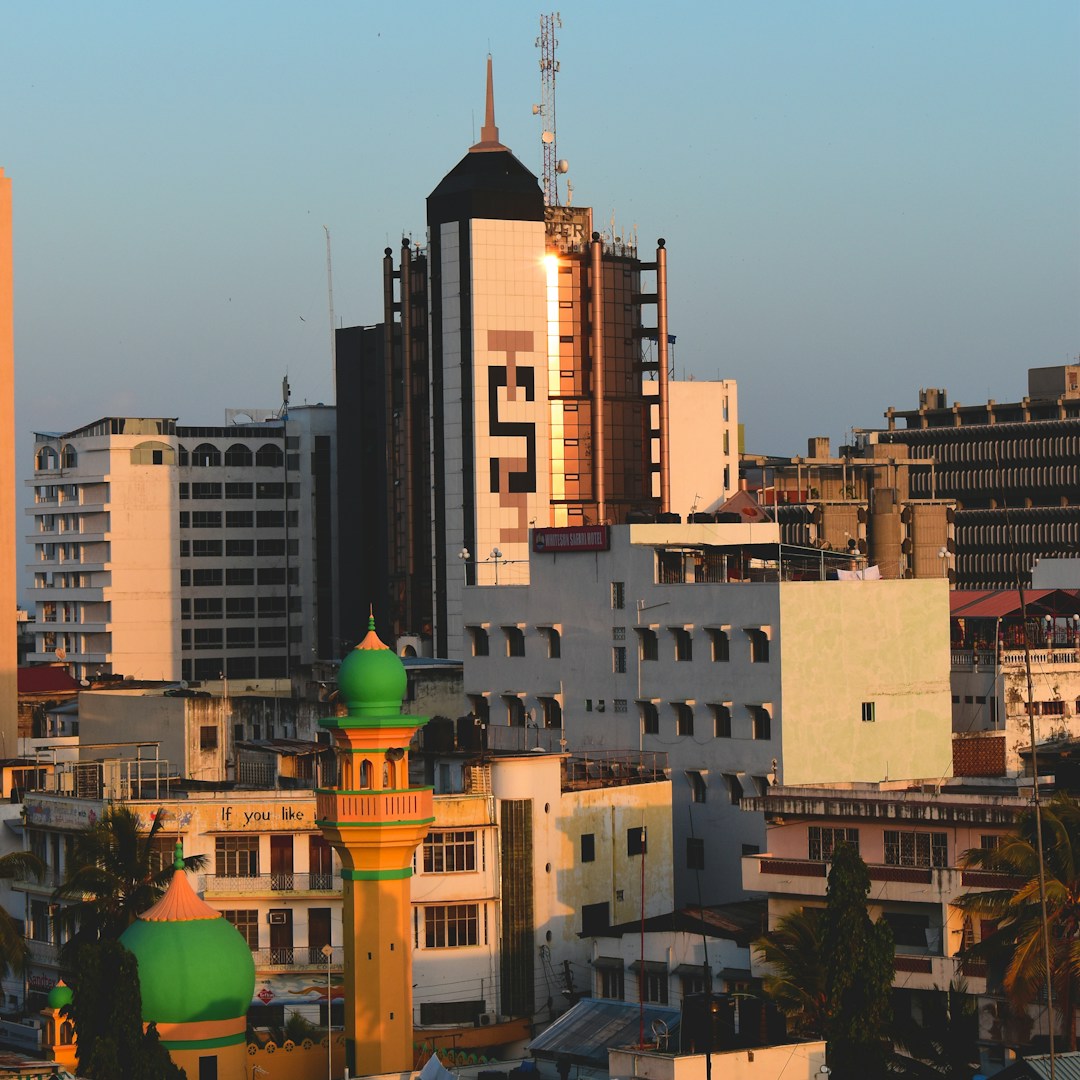
Mombasa Old Town is the most complete surviving example of Swahili coastal architecture on the East African mainland. The district occupies the northeast peninsula of Mombasa Island, facing the old harbour, and has been a working port and trading settlement for over a thousand years. It is not a museum piece: people live here, fishing boats operate from the dhow harbour, mosques hold daily prayers, and the spice trade continues in the market lanes off Ndia Kuu Road.
Fort Jesus
Fort Jesus dominates the northern end of Old Town and is the most visited historic site on the Kenyan coast. The Portuguese built the fort between 1593 and 1596 to control the sea route to India and to hold the Mombasa harbour against Arab and Ottoman threats. It changed hands nine times over the following centuries, between the Portuguese, the Omanis, and eventually the British, who used it as a prison until 1958.
Entry costs approximately KES 1,200 per adult non-resident as of 2026. The fort is open daily from 8am to 6pm. Inside, the Fort Jesus Museum holds an excellent collection of Chinese porcelain recovered from the wreck of the Santo Antonio de Tanna, a Portuguese frigate sunk in the harbour in 1697. The museum also contains exhibits on the Swahili trading civilisation, Omani period manuscripts, and the history of Arab-Portuguese conflict on the coast.
The bastions offer clear views over the old harbour and across to the mainland. Budget two hours for the fort and museum. A licensed guide at the entrance costs approximately KES 800-1,200 additional and significantly improves the experience, as much of the fort’s layered history is not explained by the signage alone.
Swahili Architecture and Walking the Streets
Old Town’s streets are narrow, made for pedestrians and donkeys rather than cars. The architecture is a mix of Swahili, Arab, Indian, and Portuguese influences layered over centuries. The defining features are the elaborately carved wooden doors, the coral-rag construction (blocks of fossilised coral cut from nearby reefs, giving walls a rough texture), and the inner courtyard houses with carved plasterwork.
Ndia Kuu Road is the main commercial street of Old Town. It runs from near Fort Jesus toward the Mandhry Mosque and is lined with spice merchants, fabric shops, and tea houses. The buildings on either side show the full range of Old Town architectural styles - some with elaborate balconies, others with recessed Swahili doorways carved with chains and fish motifs.
Portuguese Street (officially Vasco da Gama Road) is named after the explorer whose fleet first reached Mombasa in 1498. The street leads from the old harbour landing area and retains some of the oldest structures in the district.
Mandhry Mosque dates to at least the 14th century according to some historical sources, making it one of the oldest mosques in sub-Saharan Africa. Non-Muslims are not permitted inside, but the exterior and the surrounding alleyways are worth seeing. Dress modestly when walking near any mosque in Old Town.
Leven House is a 19th-century merchant house that was used by the British Navy as a base for anti-slavery patrols. The building is named after HMS Leven, a survey ship that operated from Mombasa in the 1820s. It is occasionally open as a heritage museum - check locally for current hours.
The Dhow Harbour
The dhow harbour sits at the north end of Old Town, below Fort Jesus. Traditional wooden dhows have been built and operated here for centuries. The vessels you see today are working fishing and cargo boats, not replicas. In the mornings, the harbour is active with fishermen returning from overnight trips and local traders loading small dhows for runs along the coast.
It is possible to arrange a short harbour cruise by dhow from the waterfront. Local operators quote approximately KES 1,500-3,000 per person for a 1-2 hour trip around the old harbour and into Tudor Creek. There is no formal booking system; approach the boat operators directly at the harbour landing and negotiate before boarding. Guided Mombasa Old Town and dhow tours that include harbour cruises, Old Town walks, and Fort Jesus entry are available through several licensed operators.
Eating in Old Town
Al Yusra Restaurant (off Ndia Kuu Road, near Fort Jesus) is the most consistently recommended local Swahili restaurant in Old Town. Pilau rice, biryani, and fresh fish dishes dominate the menu. Expect approximately KES 400-800 per person. Opens at lunchtime and stays open until late evening.
Splendid View Cafe (near the waterfront) serves chai tea, mahamri (coconut bread), and simple rice dishes. A tea and mahamri breakfast costs approximately KES 150-250. Reliable for a morning stop before touring Fort Jesus.
Singh Restaurant (Old Town) serves an Indian-Swahili crossover menu: mutton curry, fish with coconut sauce, and vegetable thali plates. Approximately KES 600-1,000 per person. Popular at lunch with traders and local workers.
Old Town Tea House is a small café near the Mandhry Mosque serving chai, mandazi, and samosas. Excellent for a break mid-walk. Tea and two mandazi costs approximately KES 150-200.
For a thorough guide to Mombasa’s food scene beyond Old Town, see our Mombasa food guide.
Getting to Mombasa
From Nairobi, the journey to Mombasa takes four to five hours by the SGR (Standard Gauge Railway). Trains depart Nairobi Terminus (near JKIA) in the morning and evening. Economy class tickets cost approximately KES 1,000-1,200; first class costs approximately KES 3,000. The train arrives at Mombasa Terminus in Miritini, from where a taxi to Old Town costs approximately KES 600-900.
By road, the A109 highway connects Nairobi to Mombasa - a nine to eleven hour drive depending on traffic. Long-distance buses (Easy Coach, Modern Coast, Dreamline Express) depart from Nairobi’s bus terminals and cost approximately KES 1,000-2,000 for the journey. Most buses arrive at Mombasa’s Jomo Kenyatta Avenue bus station, which is within 2km of Old Town.
Flights connect Nairobi Jomo Kenyatta with Mombasa Moi International in approximately 50 minutes. Domestic fares start at approximately KES 4,000-8,000 one way depending on season and advance booking time.
Best Time to Visit
Old Town can be visited year-round, but the most comfortable months are July to October (the dry season on the coast). Temperatures sit around 26-28C with a sea breeze. The long rains season (April-May) brings high humidity and some flooding in the lower streets near the harbour. December to March is hot and humid but less rainy.
For the widest hotel choice and lowest prices on the Mombasa coast, see our Mombasa hotels guide. For things beyond Old Town, see our Mombasa things to do guide. For beaches near Mombasa, see our Mombasa beaches guide.