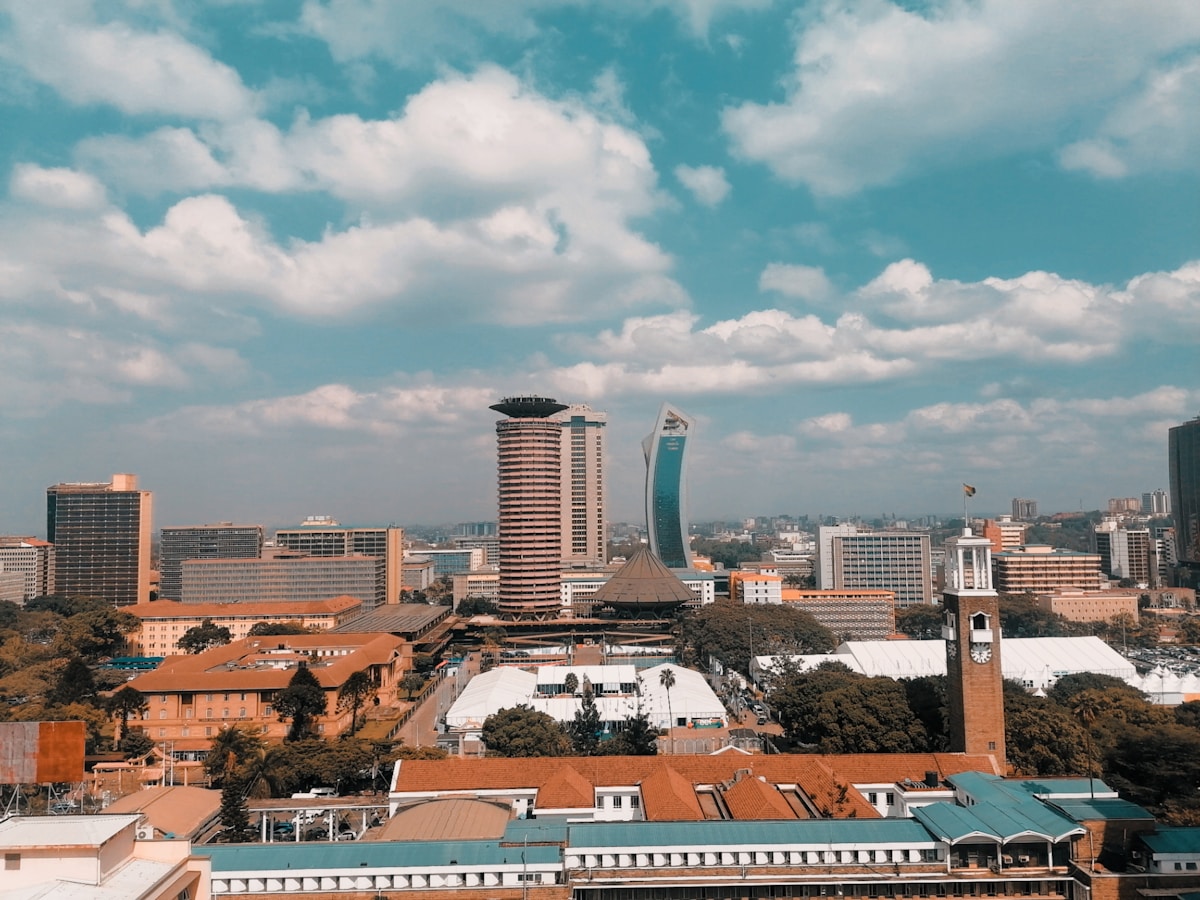
Mombasa’s shopping reflects its history as East Africa’s busiest coastal trading port — a layering of Swahili, Arab, Indian, and British commercial traditions across different districts. Old Town holds the most atmospheric craft shopping; Biashara Street is the fabric district; the northern suburbs have the modern malls.
Search Mombasa cultural tours and activities
Old Town Shopping
Ndia Kuu and Fort Jesus Area
The core of Mombasa Old Town runs along Ndia Kuu (the main street through the old city) and the lanes off it towards Fort Jesus. This is the most concentrated area for Swahili craft shopping and the most visually interesting part of Mombasa.
What to buy here:
- Antique brass coffee pots and kahawa sets: Traditional Swahili brass kahawa (spiced coffee) sets appear in shops along Ndia Kuu. Prices range from KES 1,500-8,000 depending on age, size, and condition. Genuine antique pieces require some knowledge to identify — ask the shopkeeper about provenance.
- Carved wooden doors and panels: Mombasa’s carved wooden doors are a Swahili heritage craft, featuring geometric and floral patterns derived from Omani and Indian influences. Full antique doors in good condition start from KES 25,000-80,000. Smaller carved panels (for framing or display) run KES 2,000-8,000.
- Kanga fabric: Shops on and near Ndia Kuu sell kanga at slightly higher prices than Biashara Street but with better-curated traditional patterns. Expect KES 700-1,500 per kanga set (two-piece).
- Spices: Several small spice dealers operate near the Fort Jesus entrance. Whole cloves (from Zanzibar), cardamom pods, cinnamon bark, and mixed Swahili spice blends are priced significantly below supermarket packaged versions. Buy from open sacks where you can inspect quality.
Old Town craft shops:
- Memories of Mombasa (Ndia Kuu) carries a curated selection of antique and semi-antique Swahili objects — brass, coral carvings, old maps, and East African photographs. Prices are fair for the quality.
- Old Town Artifacts (near the Leven Steps) stocks replicas of traditional Swahili dhow models, carved chests, and fabric alongside a small antique section.
Tip: The area around Fort Jesus is tourist-heavy and vendors outside the walls are aggressive. Move into the deeper Old Town streets (off Ndia Kuu towards the harbour) for a calmer shopping experience and shops that also serve local buyers — these tend to have more competitive prices.
City Market
Location: City Market Road, Mombasa CBD (between Moi Avenue and Nyerere Avenue) Opening hours: Approximately 8am-6pm daily
The City Market is a covered colonial-era market building in central Mombasa. The lower level handles fresh produce, fish, and meat for local buyers. The upper level and surrounding area contain craft stalls selling the standard Kenya coast souvenir range: carved animals, beaded jewellery, batik fabric, and shell crafts.
Practical notes: Vendors at the City Market are persistent with tourists and prices open high. This is not the best craft shopping in Mombasa but it’s conveniently located if you’re already in the CBD. The fish section downstairs is more interesting — enormous Indian Ocean species including kingfish, tuna, barracuda, and shark are displayed on ice alongside local shellfish. Photography of the fish section is generally acceptable with permission.
Biashara Street (Fabric District)
Location: Digo Road and surrounding streets, running through the Indian commercial quarter Opening hours: Generally 9am-6pm Monday-Saturday, reduced hours Friday
Biashara Street is the trading heart of Mombasa’s Indian community and one of the best fabric markets in East Africa. Dozens of shops stretch along Digo Road and its side streets, selling:
- Kanga (two-piece printed cotton fabric, KES 400-800 per set wholesale)
- Kitenge (wax-print fabric in bold patterns, KES 600-1,500 per metre depending on brand and pattern)
- Lesso (coastal wraps lighter than kanga, KES 300-600)
- Cotton fabric by the metre for tailoring (KES 200-600/metre)
- Indian silk and brocade for occasions (KES 800-2,500/metre)
The best use of Biashara Street is buying fabric at wholesale prices and then taking it to a Mombasa tailor for a custom-made outfit. A skilled tailor in the side streets near Biashara Street will produce a fully fitted dress or shirt within 1-2 days for approximately KES 800-2,000 in labour. Bring a reference photo of the style you want.
Spice shops: Several Indian spice wholesale merchants on Digo Road sell whole spices in bulk — cumin, coriander, turmeric, chilli powder, and cooking masala blends at prices far below packaged options. Bags of 100-250g start from KES 100-300.
Malls in Mombasa
Nyali Cinemax and Nyali Centre
Location: Links Road, Nyali (north Mombasa across Nyali Bridge) Opening hours: 9am-9pm daily
The main mall cluster for northern Mombasa. Nakumatt (large supermarket) and Carrefour (nearby) serve as the grocery anchors. The Nyali Centre has a Prestige Bookshop with a reasonable Kenya coast and East Africa travel guide selection, several clothing boutiques, and a food court with Kenyan fast-casual and international options.
Nairobi Java House at Nyali is reliable for espresso and a cold drink in air conditioning. Worth a stop if you’re in northern Mombasa.
Mombasa City Mall
Location: Nkrumah Road, Mombasa Island Opening hours: 9am-9pm daily
The most centrally located mall on Mombasa Island. Smaller than the Nyali complexes, with a Nakumatt anchor, pharmacy, mobile phone shops, and a food court. Useful for basics.
What to Buy in Mombasa
Best value buys unique to the coast:
- Kanga fabric (Biashara Street): KES 400-800 per 2-piece set — take home a bundle
- Whole Zanzibar cloves (Old Town spice stalls): KES 200-400 per 100g — significantly better value than supermarket packaged versions
- Carved Swahili decorative panels (Old Town): KES 2,000-8,000 for small pieces
Craft categories worth seeking:
- Makonde wooden carvings: Originated by the Makonde people of southern Tanzania, now widely sold along the Kenya coast. Complex figurative carvings in ebony and mpingo wood. Prices from KES 1,500-15,000. Genuine Makonde work is heavier than cheap imitations.
- Coconut shell products: Bowls, cups, and decorative items from coconut shell at KES 200-800. More genuinely coastal than mass-produced wooden carvings.
- Swahili brasswork: Coffee pots, incense burners, and decorative bowls at KES 800-4,000 for functional pieces.
What to avoid: Coral and shell items (protected marine species — illegal to export), wildlife products (ivory, skins, shells listed under CITES). Custom officers at Mombasa airport check purchases.
Practical Notes
Safety in Old Town: Old Town is safe during the day (8am-6pm) and is regularly visited by tourists independently. Avoid it after dark. Keep phones and cameras discreet. Pickpocketing is rare but opportunistic theft can occur around Fort Jesus.
Transport: Tuk-tuks are the standard way to move between Old Town, Biashara Street, City Market, and Nyali. A trip from Old Town to Nyali costs approximately KES 300-500. Negotiate before boarding.
Payment: Almost all craft markets and fabric shops are cash-only. Bring KES in small denominations. ATMs are available at the Nyali malls and at Standard Chartered and Equity branches in the CBD.
Best time to shop: Weekday mornings (9am-noon) are calmer than afternoons and weekends. Friday afternoons see reduced hours on Biashara Street as Muslim-owned shops close for prayer. Old Town is quieter than the CBD year-round.
For more on Mombasa, see the Mombasa things to do guide, Mombasa Old Town guide, Mombasa beaches guide, and Mombasa hotels guide.
For guided Old Town walking tours, Swahili cooking classes, and half-day city excursions, browse Mombasa tours on GetYourGuide.