Nanyuki: Gateway to Mount Kenya Guide
Nanyuki sits right on the equator at 1,950m: the base for Mount Kenya treks and Ol Pejeta, home to the last northern white rhinos on Earth.
Guides for Nanyuki
Nanyuki sits at 1,947m directly on the equator, at the foot of Mount Kenya’s northwestern slopes. It is a small market town that has developed into the primary base for Mount Kenya trekking, Ol Pejeta Conservancy visits, and access to the broader Laikipia Plateau’s network of private wildlife conservancies.
The town straddles the equator - a painted line on the main street marks the crossing point, and a small demonstration at the equator shows the Coriolis effect on water draining. The equator crossing is a minor but genuine milestone on the road north.
Getting There
By road: 200km from Nairobi via the Thika–Nanyuki highway - approximately 3 hours in normal traffic. Buses and matatus run from Nairobi’s Mt Kenya stage and Eastleigh (KES 400–600). The road is good tarmac throughout.
By air: Safarilink and AirKenya fly from Nairobi Wilson Airport to Nanyuki (45 minutes, from KES 7,000 one way). The airstrip handles scheduled and charter flights and is frequently used by safari and conservancy guests.
From Nyeri: 80km east via the scenic highland road - approximately 1.5 hours by matatu.
Ol Pejeta Conservancy
Ol Pejeta is the main attraction in the Nanyuki area and one of Kenya’s premier wildlife destinations. The 360km² conservancy borders the southwestern slopes of Mount Kenya and has all Big Five plus several species not found in most Kenyan parks.
Black rhinos: Ol Pejeta has the largest black rhino population in East Africa - approximately 115 individuals. With Kenya’s total black rhino population under 900, Ol Pejeta holds a significant proportion of the global total. Guided Ol Pejeta day trips from Nanyuki or Nairobi include park entry, transport, and a driver-guide.
The last northern white rhinos: Najin and Fatu - mother and daughter - are the last two northern white rhinos on earth. They live in a specially managed 700-acre enclosure within Ol Pejeta. For a broader guide to Kenya’s Big Five and where to see them, see our Big Five Kenya guide. A third species in a generation has been functionally eliminated by poaching. Visiting them is a sober, genuinely affecting experience. An IVF programme using harvested eggs and frozen sperm from the last male (Sudan, who died in 2018) represents the only path to species recovery.
Sweetwaters Chimpanzee Sanctuary: A dedicated sanctuary for chimpanzees rescued from the Central African bushmeat trade, within Ol Pejeta’s boundaries. Not native to Kenya, but the forested habitat provides a permanent home for individuals that cannot be returned to the wild. Daily guided viewing sessions allow close-range observation of the chimp groups from the sanctuary fence — a genuinely engaging stop and included in the standard Ol Pejeta day entry fee.
Big Five: Lions, leopards, elephants, buffalo, and rhinos are all present. The Ewaso Ng’iro River through the conservancy supports hippos and crocodiles. Over 500 bird species recorded.
Entry fee: Approximately USD 90 per adult non-resident per day (as of 2026). Open daily 7am–7pm. Night drives are allowed - a significant advantage over national parks where they are prohibited.
Accommodation inside Ol Pejeta: Sweetwaters Serena Camp (luxury, from approximately USD 200/person/night full board). Ol Pejeta Bush Camp (more affordable tented camp, from approximately USD 80/person/night).
Mount Kenya Access
The Sirimon Gate for the Sirimon Route ascent is 25km from Nanyuki on the mountain’s northwestern side. The route leads to Point Lenana (4,985m - the highest trekking summit, reached by a scramble rather than technical climbing) in 3 days minimum, more comfortably in 4–5 days for better acclimatisation.
Most Mount Kenya trekking operators and registered guides are based in Nanyuki. For the full trekking guide, see our Mount Kenya Trek guide.
Nanyuki-based operators for Point Lenana treks:
- Tropical Ice Ltd — one of the most experienced outfitters for both trekking and technical ascents. A 4-day Sirimon Route trek to Point Lenana runs from approximately USD 550–750 per person (group departures) to USD 1,000–1,400 (private, fully guided with all meals and park fees).
- Mt Kenya Guides & Porters Safari Club — a registered guide cooperative based at Sirimon Gate. Budget-focused packages from approximately USD 400–500 per person for a 4-day Sirimon Route in a small group.
- Naro Moru River Lodge (on the Naro Moru Route, 40km south of Nanyuki) — organises supported treks on the southern approach from USD 500–800 per person.
Technical climbs of Batian (5,199m) and Nelion (5,188m) require experienced alpine guides, technical gear, and multi-pitch climbing skills. Costs range from USD 1,500–3,000+ per person depending on guide fees, equipment, and party size. Tropical Ice and a handful of IFMGA-certified guides in Nanyuki handle technical ascents.
Batian and Nelion peaks (5,199m and 5,188m respectively, the true summits) require technical rock and ice climbing with experienced alpine guides - these are serious mountaineering objectives, not trekking routes.
Laikipia Conservancies
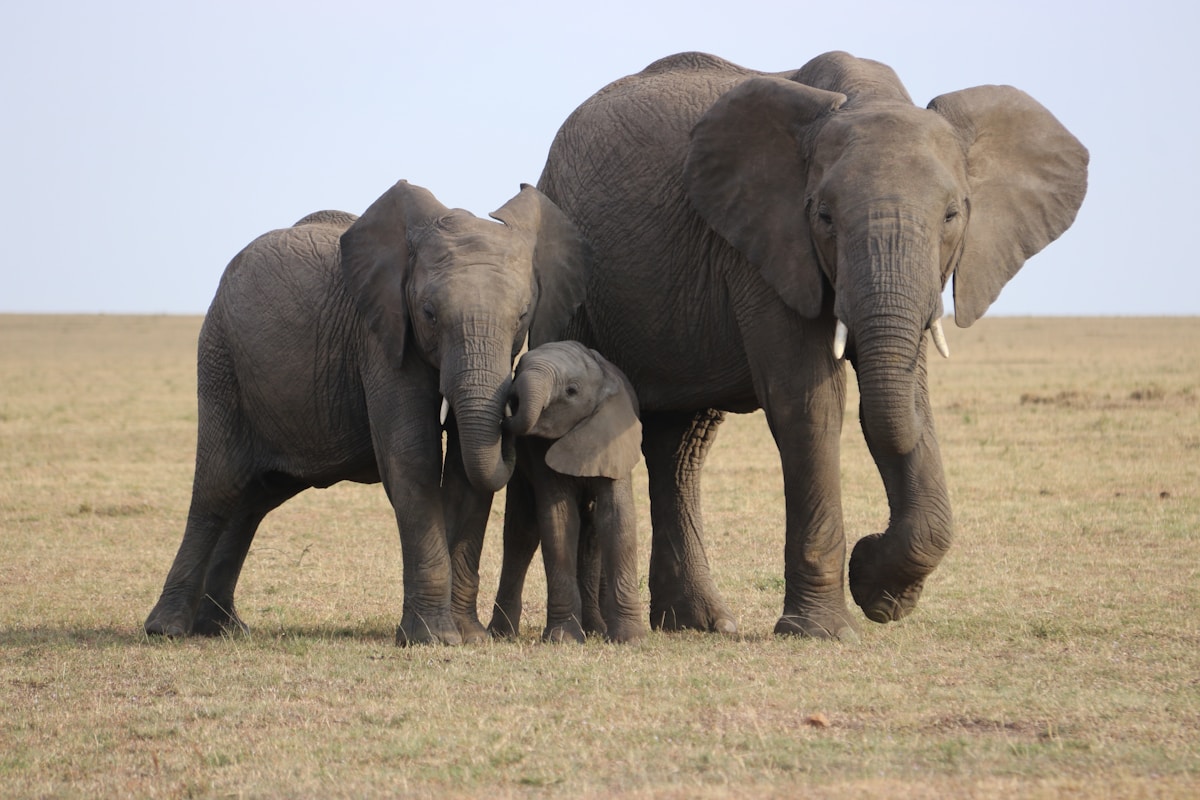
The Laikipia Plateau north and west of Nanyuki hosts over 30 private and community conservancies, collectively forming one of Africa’s most successful wildlife management systems. The plateau supports Kenya’s largest elephant population outside the national parks, all Big Five, and African wild dogs - rare across most of Kenya.
Key conservancies accessible from Nanyuki:
- Lewa Wildlife Conservancy (45km northeast, 2 hours) - 65,000 acres, home of the Lewa Safari Marathon. All Big Five, excellent rhino sightings, helicopter safaris available. From approximately USD 400/person/night.
- Ol Malo Lodge (85km northwest) - boutique conservancy with camel trekking and walking safaris. From approximately USD 400/person/night.
- Borana Conservancy (adjacent to Lewa) - similar wildlife and quality. From approximately USD 400/person/night.
These are upmarket wilderness experiences that represent some of the best safari product in Kenya.
Where to Stay
In town (KES 3,000–9,000/night): Sportsman’s Arms Hotel has been operating since 1932 - the town’s most characterful hotel with rooms of varying quality, a good bar, and genuine colonial atmosphere. Nanyuki River Lodge is a more modern option with reliable standards from approximately KES 5,000/night.
Search hotels in Nanyuki on Booking.com
Budget (under KES 3,000/night): Several guesthouses and smaller hotels in the town centre from KES 1,500/night.
For trekkers: Sirimon Bandas (Kenya Wildlife Service accommodation at Sirimon Gate) offer basic huts for those preparing for or returning from the mountain trek - approximately KES 2,500/person/night.
Where to Eat
Sportsman’s Arms Hotel - the most reliable local restaurant, serving Kenyan and continental food (approximately KES 600–1,500 per main course). The bar is a Nanyuki institution.
Nanyuki Coffee & Tea House - good coffee (Kenyan highland grown) and light meals, popular with overland travellers and conservancy guests.
Town centre restaurants: Standard Kenyan local food at KES 150–400 throughout the town centre.
Practical Information
Climate: Nanyuki’s altitude (1,947m) means cool nights (4–12°C) and warm days (18–25°C). Bring warm layers for evenings and early mornings - essential for game drives and mandatory for trekking. Rainfall in both rainy seasons.
Equator at Nanyuki: The equator crosses the main road through town. A small tourist area with souvenir stalls and the Coriolis water demonstration marks the spot. The demonstration (water draining clockwise or anticlockwise depending on hemisphere) is often staged rather than genuine at small scales, but the crossing is a real geographic fact.
Banking and provisions: Good supermarkets and banking facilities. Stock up here before Mount Kenya or Laikipia conservancy visits - options are limited on the mountain or within most conservancies.
Malaria: Low risk at Nanyuki’s altitude. Risk increases significantly in the lower Laikipia areas below 1,500m.
For accommodation options in and around Nanyuki, see our Nanyuki hotels guide. To see what wildlife awaits at Ol Pejeta and the wider Laikipia area, see the Mount Kenya wildlife guide. Our best time to visit Kenya guide also covers highland trekking seasons in detail.
Frequently Asked Questions
- How do I get to Nanyuki?
- Nanyuki is 200km north of Nairobi - approximately 3 hours by road. Buses and matatus depart from Nairobi's Eastleigh and Mt. Kenya stage regularly (KES 400–600). Safarilink and AirKenya also fly from Nairobi Wilson Airport to Nanyuki in 45 minutes (from approximately KES 7,000 one way). A Nanyuki airstrip serves private charter and scheduled flights.
- What is Ol Pejeta Conservancy?
- Ol Pejeta is a 360km² private conservancy bordering the foot of Mount Kenya. It has the largest black rhino population in East Africa, the last two northern white rhinos in the world (Najin and Fatu), chimpanzees in a sanctuary, and the Big Five. Entry fees are approximately USD 90 per day for non-residents as of 2026.
- Is Nanyuki a good base for Mount Kenya trekking?
- Nanyuki is the main access point for the Sirimon Route - one of the three main ascent routes on Mount Kenya. Most trekking operators and guides are based here. The trek from the Sirimon Gate to Point Lenana (4,985m) takes 3–4 days return.
Book an experience
Top experiences in Nanyuki
Explore the best tours and activities in Nanyuki - instant confirmation, free cancellation on most bookings.