Search hotels in Kenya on Booking.com
The Big Five - lion, leopard, elephant, rhinoceros, and Cape buffalo - were originally named by big game hunters as the five most dangerous animals to pursue on foot. Today the term defines a safari bucket list. Kenya holds substantial populations of all five, spread across parks and conservancies within a few hours of Nairobi. Understanding where each animal concentrates - and which parks give you the best odds - determines the quality of your trip.
The Big Five: Park by Park
Lion
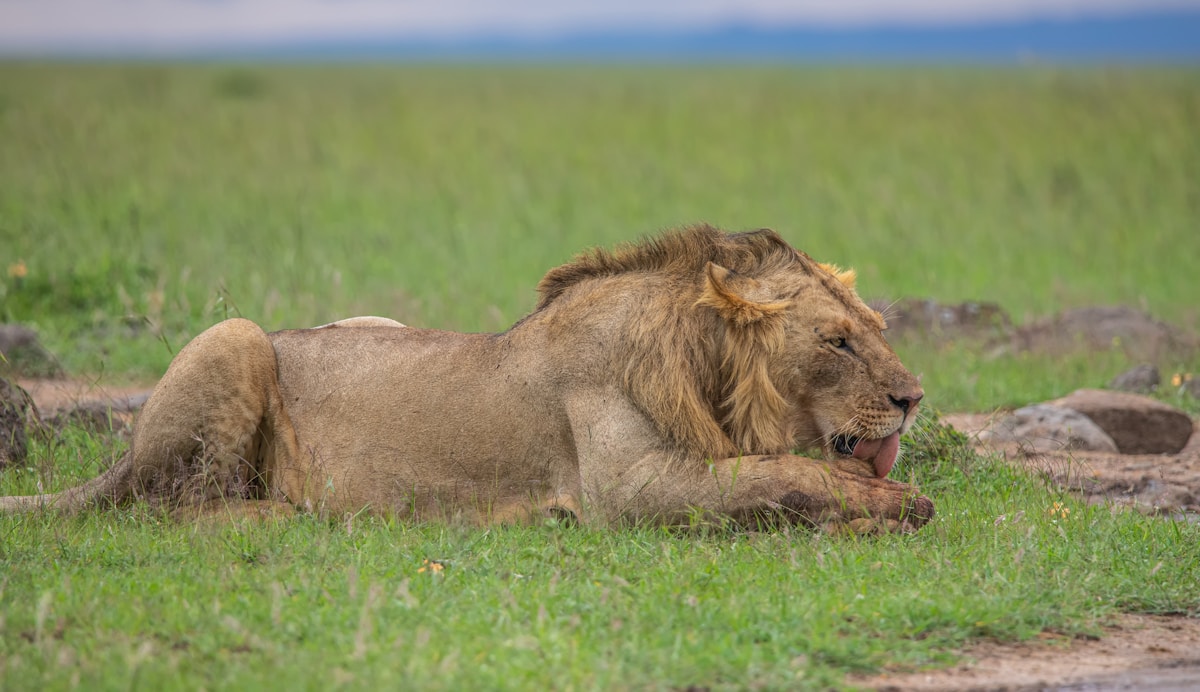
Kenya holds an estimated 2,000–2,500 lions as of 2026, the majority in three ecosystems:
Masai Mara National Reserve - The Mara has Kenya’s highest lion density. Pride territories are well-mapped, and guides locate them consistently. The Mara is also home to several celebrity prides that have been studied for decades, increasing predictability of sightings.
Amboseli National Park - Smaller resident population, but sightings against Mount Kilimanjaro’s backdrop make Amboseli lion encounters particularly striking for photographers.
Tsavo East / Tsavo West - Kenya’s largest protected area by landmass holds significant lion numbers. Tsavo lions are historically known for their maneless males, a genuine physical characteristic documented in this specific ecosystem.
Best option for lions: Masai Mara (year-round, highest density)
Leopard
Leopard are present in most Kenyan parks but are nocturnal and tree-resting during daylight hours. Finding them requires either a very experienced guide or patience at known territory boundaries.
Masai Mara - Consistently produces leopard sightings, particularly in the Musiara Marsh and Mara Triangle areas where fig trees and riverine vegetation provide cover.
Laikipia Plateau - Several private conservancies including Lewa Wildlife Conservancy and Ol Pejeta have resident leopard populations. Night game drives (not permitted in the national parks but allowed in private conservancies) dramatically increase sighting odds.
Samburu National Reserve - Northern Kenya’s rocky outcrops and doum palms create good leopard habitat. Samburu also adds rare northern species - Grevy’s zebra, reticulated giraffe, and beisa oryx - not found in southern Kenya.
Best option for leopard: Masai Mara or Laikipia conservancies; night drives in conservancies best
African Elephant
Kenya’s elephant population is recovering well - estimated at over 34,000 as of 2026, up significantly from the 1990s poaching crisis.
Amboseli National Park - The go-to destination for elephant photography in Kenya. Amboseli’s elephants are habituated to vehicles, move in large multigenerational family herds, and the short grass allows photography from vehicle level. The iconic image of elephants with Kilimanjaro is shot here.
Tsavo East - Some of Africa’s largest elephant populations. Tsavo elephants have a distinctive red dust-coated appearance from the laterite soil. Less habituated than Amboseli, wilder encounter quality.
Masai Mara - Resident elephant herds present year-round, though less concentrated than Amboseli.
Best option for elephants: Amboseli (photography) or Tsavo East (wilderness experience)
Black and White Rhinoceros
Rhino are Kenya’s most threatened Big Five species. Two rhino species exist in Kenya: the critically endangered black rhino and the southern white rhino (reintroduced from South Africa).
Ol Pejeta Conservancy (Laikipia) - The single most important destination for rhino in Kenya. Ol Pejeta holds the world’s last two northern white rhinos (Sudan died in 2018; Najin and Fatu remain under 24-hour guard). It also has the largest black rhino population in East Africa - approximately 164 individuals as of 2026.
Entry fees to Ol Pejeta: approximately USD 90 per adult per day as of 2026 for non-residents (check olpejetaconservancy.org for current fees). Rhino tracking on foot with a ranger costs from approximately USD 70–100 per person additional as of 2026 and is bookable directly at the conservancy.
Lake Nakuru National Park - Both white and black rhino are present. White rhino are easier to spot; black rhino are more reclusive. Lake Nakuru is a short drive from Nairobi (roughly 2.5–3 hours) and works well as an add-on to a broader circuit.
Lewa Wildlife Conservancy - Private fenced conservancy adjoining Ol Pejeta. Both species present; night drives available for better sighting odds.
Best option for rhino: Ol Pejeta (black rhino tracking on foot, most reliable sightings)
Cape Buffalo
Buffalo are widespread and abundant. Kenya’s national parks hold tens of thousands, and they are among the easiest Big Five members to tick off.
Masai Mara - Large bachelor herds and breeding herds, often 200–500 animals. Buffalo are present year-round.
Tsavo East - Enormous herds, sometimes numbering in the thousands during dry season concentrations around water.
Nairobi National Park - Buffalo are present just 7 kilometres from the Nairobi CBD - a remarkable fact for first-time visitors to Kenya.
Best option for buffalo: Masai Mara or Tsavo East (largest herds)
Budget Safari Options
USD 150–300 Per Person Per Day
At this budget, expect shared vehicle group safaris (typically 6–7 passengers in a Land Cruiser), basic tented camp or bandas accommodation, and three meals included.
Operators worth considering:
Kenya Safari Bookings - Nairobi-based aggregator linking independent lodges with shared vehicle departures. Three-day Masai Mara packages from approximately USD 450–600 per person as of 2026.
Basecamp Explorer - Eco-camp in the Mara Triangle with community-partnership model. Basic and mid-range tents available; strong guide reputation. From approximately USD 300–400 per person per night as of 2026.
Flash Pack / G Adventures - International operators running group departures from Nairobi. Suitable for solo travellers who want to share costs. Prices vary by departure date.
USD 300–500 Per Person Per Day
Private vehicle access (just your group), better-located tented camps, and experienced naturalist guides with strong animal ID skills.
Porini Lion Camp (Olare Motorogi Conservancy, Mara buffer) - Private conservancy bordering the main reserve; walking safaris included. From approximately USD 500–700 per person per night as of 2026 all-inclusive.
Ol Pejeta Bush Camp (within Ol Pejeta Conservancy) - Excellent for rhino specialists. From approximately USD 350–500 per person per night as of 2026. Night drives included.
USD 500+ Per Person Per Day (Luxury)
Private vehicle, private guide, premium lodge, night game drives in conservancies.
Governors’ Camp Group (Masai Mara) - Multiple properties across the Mara River zone, from approximately USD 700–1,300 per person per night as of 2026. Strong guiding programme; excellent for all Big Five.
Elewana Sand River (southeast Mara) - Intimate tented camp with excellent guides. From approximately USD 800–1,100 per person per night as of 2026.
Segera Retreat (Laikipia) - Private conservancy with Big Five including rhino. From approximately USD 1,200+ per person per night as of 2026.
Ol Pejeta Conservancy: How to Book
Ol Pejeta is a 366km² non-profit conservancy in Laikipia, a 3.5–4 hour drive from Nairobi or 45 minutes from Nanyuki airstrip.
Day visit: Entry from approximately USD 90 per adult as of 2026. Rhino sanctuary access (included in entry), chimpanzee sanctuary (additional USD 50 as of 2026), and last northern white rhinos (included). Bookable at the gate or via olpejetaconservancy.org.
Rhino tracking on foot: Available daily, advance booking recommended. From approximately USD 70–100 per person per session as of 2026 including a trained ranger. Morning walks have better sighting probability.
Overnight accommodation: Ol Pejeta Bush Camp (see above), Sweetwaters Serena Camp (from approximately USD 300–500 per person per night as of 2026), and several self-catering cottages.
Getting there: Charter flights from Wilson Airport (Nairobi) to Nanyuki airstrip take approximately 50 minutes, from USD 180–300 one-way as of 2026. Road via the A2 highway via Thika is the budget option.
Planning Your Big Five Safari
A standard 7–10 day Kenya circuit covering all five species typically combines. You can also browse guided Masai Mara safari tours or wider Kenya safari packages to find operators covering the full circuit.
- 2–3 nights Masai Mara - lion, leopard, elephant, buffalo (+ Great Migration July–October)
- 1–2 nights Ol Pejeta - black rhino on foot, northern white rhino
- Optional: 1–2 nights Amboseli - elephant photography against Kilimanjaro
Driving this circuit yourself is feasible but tiring. Most visitors fly between parks using charter services - Safarilink and AirKenya operate scheduled small-aircraft routes connecting Nairobi, Mara, Nanyuki, and Amboseli. Prices from approximately USD 150–300 per leg one-way as of 2026.
Park and conservancy entry fees are charged separately from accommodation. Budget an additional USD 80–150 per person per day for fees across the major reserves as of 2026.
For individual park guides, see our Masai Mara safari guide, Amboseli guide, and Tsavo guide. Our best safari lodges Kenya guide covers accommodation across the Big Five circuit. The 10-day Kenya safari itinerary maps out how to combine these parks efficiently.