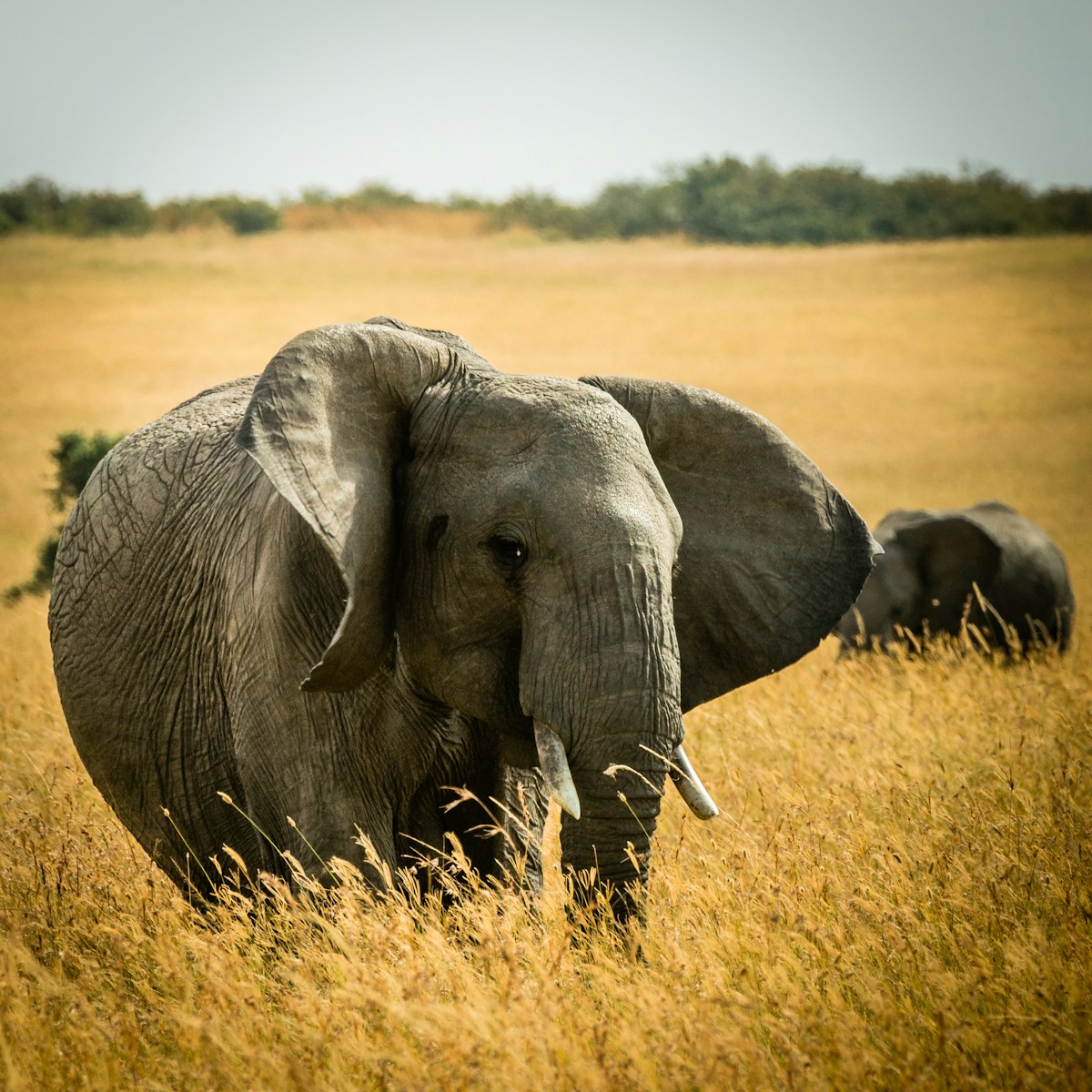
The Maasai Mara is Kenya’s most famous wildlife destination - a 1,510km² reserve in the southwest of the country, continuous with Tanzania’s Serengeti ecosystem. It is the setting for the Great Migration and has one of the highest concentrations of predators in Africa.
The Great Migration
Between July and October, approximately 1.5–2 million wildebeest, 500,000 zebras, and hundreds of thousands of gazelles move from Tanzania’s Serengeti into the Maasai Mara in search of fresh grass. The crossing of the Mara River - where crocodiles wait at established crossing points - is the defining event. Crossings happen unpredictably, sometimes multiple times per day, sometimes not at all. The peak river crossing period is typically mid-July through September.
Outside migration season (November–June), the Mara remains excellent for resident wildlife - no other Kenyan park matches it for big cat sightings. Lions are seen almost daily; cheetahs and leopards are regular.
Getting There
By air (recommended): Safarilink, AirKenya, and charter operators fly from Nairobi Wilson Airport to several Mara airstrips (Mara Serena, Keekorok, Ol Kiombo, Mara North) in 45 minutes. Return fares typically USD 150–280 per person. Most lodge packages include airport transfers.
By road: The Nairobi–Narok–Sekenani Gate route takes 5–6 hours on good days. The road from Narok to the gate is rough in the rainy season. 4WD recommended though 2WD vehicles manage in the dry season. Self-drive safaris are possible but a guided experience is significantly better for wildlife finding.
Entry Fees and Access
Maasai Mara National Reserve: Approximately USD 100 per adult non-resident per day as of 2026. Paid at the gate or in advance. Gates open 6am–7pm.
Private conservancies: Each conservancy sets its own fees, typically included in accommodation rates. Staying in a conservancy lodge gives access to off-road driving, night drives, and bush walks - none of which are permitted in the national reserve itself.
Accommodation
Budget/mid-range (inside or adjacent to the reserve, KES 15,000–30,000/person/night, full board):
- Mara Serena Safari Lodge - established lodge on a hill with panoramic views, approximately KES 25,000–40,000/person/night
- Keekorok Lodge - one of the original Mara lodges, reliable facilities, approximately KES 20,000–35,000/person/night
- Fig Tree Camp - tented camp on the Talek River, approximately KES 18,000–28,000/person/night
Conservancy lodges (typically USD 300–700/person/night, all-inclusive):
- Angama Mara (Mara Triangle, luxury) - from approximately USD 600/person/night
- Mara Plains Camp (Olare Motorogi Conservancy) - from approximately USD 500/person/night
- Rekero Camp (Mara North Conservancy) - from approximately USD 350/person/night
For budget travellers, several public campsites in the reserve charge approximately USD 15–20 per person per night plus full entry fees.
What to Expect on Safari
Game drives in the Mara run 6–9am and 3:30–6:30pm (the most productive hours). A full-day drive with packed lunch is the best option for those staying only one or two nights. Most lodges have experienced guides who know the territory well.
Photography: The Mara’s open grassland allows clean sightlines unlike forest parks. Bring a telephoto lens (400mm minimum for wildlife) and low-light capability for early morning drives.
Hot air balloon safaris: Balloon flights over the Mara at dawn are available daily from approximately USD 480–550 per person, including champagne bush breakfast. Book through your lodge or directly with Balloon Safaris Kenya (balloonsafaris.com). For a dedicated guide to the balloon experience, see our hot air balloon Masai Mara guide. For day and multi-day Masai Mara safari tours, a range of group and private options are available from Nairobi.
Best Time Summary
| Month | Migration | Weather | Notes |
|---|---|---|---|
| Jan–Mar | Absent | Dry, warm | Excellent predator sightings; calving season in Serengeti |
| Apr–Jun | Absent | Long rains | Lush green landscape; fewer tourists; some roads difficult |
| Jul | Arrives | Dry and cool | Migration builds; good river crossing chances |
| Aug–Sep | Peak | Dry and cool | Best months overall; high season; book far in advance |
| Oct | Departing | Short rains start | Good but numbers declining |
| Nov–Dec | Absent | Short rains | Quieter; good value; landscape green |
Maasai Culture
The Maasai Mara takes its name from the Maasai people who have inhabited this landscape for centuries. The reserve and surrounding conservancies are on Maasai community land - an important distinction from national parks, which are government-managed.
Community visits: Most camps offer visits to nearby Maasai communities (approximately USD 20–30/person). For a more in-depth look at these experiences, see our Maasai village visit guide. A genuine community visit includes explanation of the manyatta (homestead) layout, demonstration of fire-making, traditional jumping, and usually a chance to buy beadwork directly from the makers. Quality varies widely - the best are arranged by good lodges with established community relationships.
Conservancy model: The private conservancies surrounding the reserve (Olare Motorogi, Naboisho, Mara North, etc.) operate on a model where the Maasai community members lease their land to conservation enterprises. Conservancy fees from lodges go directly to community members as a lease payment - providing an income that makes conservation economically competitive with cattle grazing. This model has been replicated across Kenya and much of Africa.
Practical Tips
Layers are essential: Mara mornings begin cold (8–12°C) and warm rapidly. Bring a fleece or light down jacket for 6am game drives. By 10am you’ll be in a t-shirt.
Binoculars: Essential for wildlife identification and photography at a distance. A 10x42 or 8x42 is the standard recommendation.
Booking: July–October accommodation at good conservancy lodges books out 6–12 months in advance. For peak migration dates in late August–September, book 12 months ahead or accept that most good lodges will be full. For flexible travellers, cancelled slots on game drives and hot-air balloon safaris occasionally release close to the date - check our last-minute Kenya tours page for real-time availability.
Tipping: Expected and important. Approximately KES 500–1,000 per guide per day is standard. Trackers (when a second person assists from the vehicle) deserve a separate tip. Lodge staff tips are often pooled.
Self-drive vs. guided: Self-drive within the National Reserve is permitted and some experienced safari visitors prefer it. However, a knowledgeable guide dramatically increases wildlife encounters - tracking, knowing where to position for crossings, and identifying species. First-timers should always go guided.
Where to stay in the Mara: See our Masai Mara accommodation guide for a full breakdown of lodges, tented camps, and conservancy stays across all budget levels.
Comparing parks? Read our Masai Mara vs Serengeti breakdown if you’re deciding between the two.
For a dedicated deep-dive on the migration timing, crossing patterns, and which months offer the most reliable crossings, see our Great Migration Kenya guide. For multi-day Mara itineraries starting from Nairobi, the Nairobi to Masai Mara itinerary covers the full route with day-by-day breakdowns.
To compare and book specific tours — game drives, balloon safaris, walking safaris, and multi-day packages at all budget levels — see our Masai Mara tours guide.