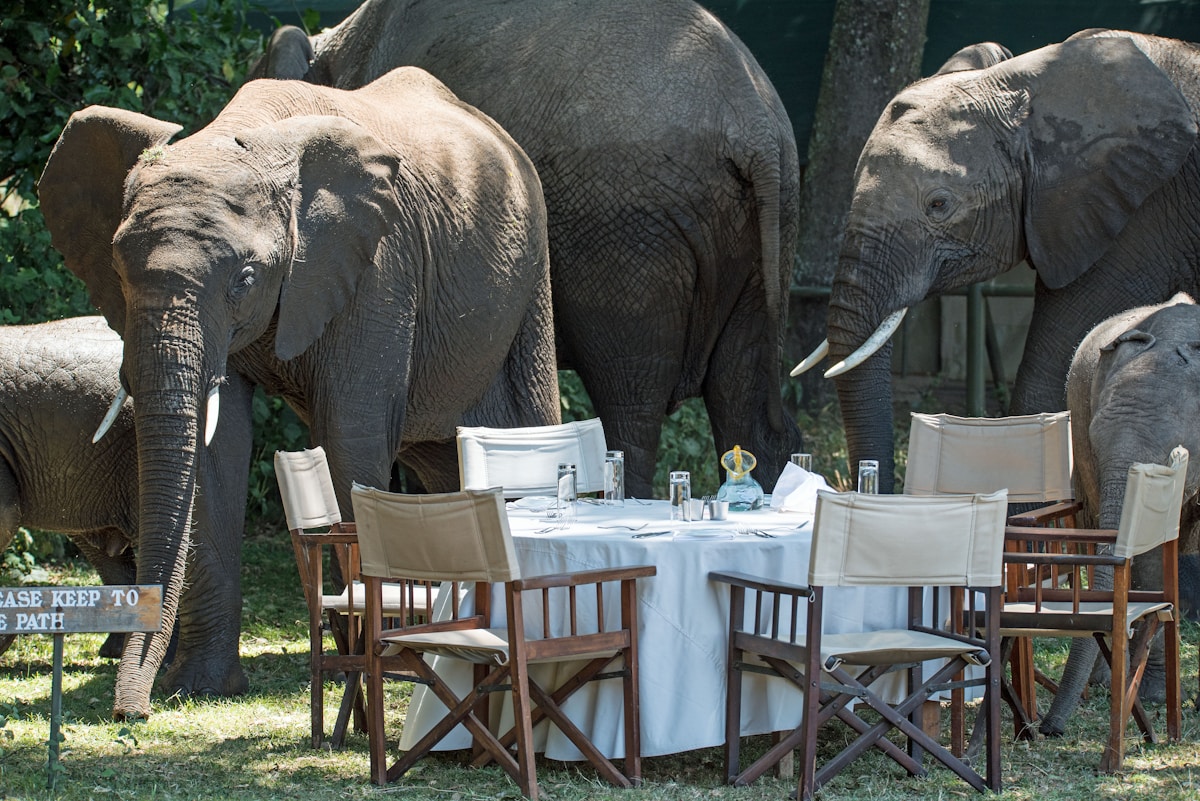
Amboseli National Park is Kenya’s second most popular safari destination after the Masai Mara - and consistently more affordable. The combination of guaranteed elephant sightings, Mount Kilimanjaro views, and competitive lodge pricing makes it one of the best-value parks in East Africa. Here is a complete breakdown of what you will actually pay.
Park Entry Fees
Amboseli is managed by Kenya Wildlife Service (KWS). Fees as of 2026:
- Non-resident adults: approximately USD 60 per person per day
- Non-resident children (3–17 years): approximately USD 35 per day
- East African residents: significantly reduced rates (approximately KES 500–1,500)
Important: Pay online via kws.go.ke before arrival. The gate no longer reliably accepts cash for non-residents. Print or download your payment confirmation.
Some lodges include park fees in their rates; others list them separately. Always confirm with your accommodation.
Accommodation by Tier
Budget - USD 60–150 per person per night
Amboseli has more affordable options than the Mara, particularly in the Kimana area outside the park.
- AA Lodge Amboseli - reliable mid-budget lodge with good elephant access, approximately USD 80–130 per person per night full board
- Sentrim Amboseli Camp - no-frills tented camp, approximately USD 60–100 per person per night (meals additional)
- Kimana Tented Camp - basic tented accommodation near Kimana Gate, approximately USD 70–110 per person per night
- Kibo Safari Camp - 60-unit camp between the Kimana Gate and the park, approximately USD 90–140 per person per night full board
Budget camps often organise shared game drives in park vehicles for an additional fee (approximately USD 30–50 per person per drive). Bring your own vehicle for the cheapest access.
Mid-Range - USD 150–350 per person per night
Mid-range lodges in Amboseli are generally full-board and include game drives, with well-positioned viewing decks and good elephant density.
- Ol Tukai Lodge - centrally located with Kilimanjaro views from the restaurant deck, elephant herds frequently walk through the grounds. Approximately USD 180–280 per person per night full board including game drives.
- Amboseli Serena Safari Lodge - solid larger lodge with pool and good service, approximately USD 200–320 per person per night full board
- Tawi Lodge (private conservancy, south of the park) - 12-suite lodge with unobstructed Kilimanjaro views, full conservation fee included, approximately USD 250–380 per person per night all-inclusive
Mid-range rates include two game drives daily at most lodges. Check whether park fees are quoted separately or included.
Luxury - USD 350–700 per person per night
Luxury options in Amboseli are smaller and more intimate than the Mara’s conservancy properties, but offer excellent personalised service and unique access.
- Tortilis Camp - 17-tent camp on a private conservancy bordering the park. Outstanding Kilimanjaro views, top-quality guiding, approximately USD 400–600 per person per night all-inclusive
- Porini Amboseli Camp - 6-tent camp in Selenkay Conservancy, community-run, low vehicle density, approximately USD 350–500 per person per night all-inclusive
- Elerai Camp - small luxury camp near the southern boundary, quiet setting, approximately USD 380–550 per person per night all-inclusive
- Satao Elerai Camp - 22 tents overlooking a waterhole, consistently good elephant sightings, approximately USD 300–450 per person per night all-inclusive
All prices per person sharing double occupancy, as of 2026. Rates vary seasonally - budget 20–30% more during peak season (July–October).
Transport from Nairobi
By Road (most common for Amboseli)
- Self-drive (Nairobi–Namanga road, C103): approximately 4–5 hours to Meshanani Gate (230km). Petrol cost approximately KES 4,000–5,000 (approximately USD 30–40) each way. Road is tarmac until close to the park boundary; the last section can be rough.
- Shared shuttle/transfer: several operators run Nairobi–Amboseli transfers for approximately USD 40–70 per person one way
- Private transfer (4WD): approximately USD 120–200 per vehicle one way
Road access to Amboseli is significantly better value than the Masai Mara because the journey is shorter and the roads are more consistently good.
By Air
- Charter flights from Wilson Airport: approximately 45 minutes, approximately USD 200–350 per person one way depending on group size
- Scheduled flights: Safarilink operates Nairobi–Amboseli routes on certain days; approximately USD 150–200 one way
Many mid-range lodges do not include flights, making road transfer the default for cost-conscious visitors.
Named Tour Operators
| Operator | Tier | 3-Day Price Range (per person) |
|---|---|---|
| Africa Safari Company | Budget | from approx. USD 600 |
| Kenya Wildlife Service Tours | Budget–Mid | from approx. USD 500 |
| Gamewatchers/Porini | Mid–Luxury | from approx. USD 1,200 |
| Ol Tukai Lodge Direct | Mid | from approx. USD 700 |
| Bush & Beyond | Luxury | from approx. USD 2,000 |
| &Beyond | Luxury | from approx. USD 2,200 |
| Cheli & Peacock | Luxury | from approx. USD 2,500 |
All prices per person sharing as of 2026; verify directly before booking. Budget operators typically use road transfers; luxury operators fly.
For individual tour listings with verified reviews and instant booking, browse Amboseli safari tours on GetYourGuide — useful for comparing day trip and multi-day options without committing to a full operator package upfront.
3-Day Sample Itinerary Costs
A 3-day Amboseli safari means 2 nights accommodation plus 2 days of park fees.
Budget (self-drive, basic lodge):
- Petrol for return road trip from Nairobi: approximately USD 60
- 2 nights × USD 90/person full board: USD 180
- Park fees 2 days × USD 60: USD 120
- Total: approximately USD 360–450 per person
Mid-range (road transfer, lodge inc. game drives):
- Return transfer: USD 100
- 2 nights mid-range lodge (all-inclusive, park fees included): USD 420–560
- Total: approximately USD 520–660 per person
Luxury (fly-in):
- Return charter flight: USD 400
- 2 nights luxury camp (all-inclusive, park/conservancy fees included): USD 800–1,200
- Total: approximately USD 1,200–1,600 per person
5-Day Sample Itinerary Costs
Four nights in Amboseli gives ample time to explore the park at different times of day, position for Kilimanjaro views in morning light, and encounter the elephant herds around the central swamps.
Budget:
- Return road transfer: USD 80
- 4 nights × USD 90 full board: USD 360
- Park fees 4 days × USD 60: USD 240
- Total: approximately USD 680–800 per person
Mid-range (combining 2 nights park lodge + 2 nights conservancy):
- Return flights: USD 350
- 4 nights all-inclusive (mixed): USD 900–1,200
- Total: approximately USD 1,250–1,550 per person
Luxury:
- Return flights: USD 400
- 4 nights all-inclusive luxury: USD 1,600–2,400
- Total: approximately USD 2,000–2,800 per person
Best Season for Value
January–February is the standout period. Kilimanjaro is most frequently clear in the early morning (the mountain clouds over by 10am most days), elephant herds are active, and lodge rates sit in the shoulder season range - approximately 15–25% below peak. Lion and cheetah sightings are reliable.
November (short dry spell after the short rains) also offers good value. The landscape is green and photogenic, rates are lower, and wildlife activity is high.
July–October is peak season with the highest lodge rates - many visitors combine Amboseli with a Masai Mara trip during this period. Book 3–6 months ahead for preferred lodges.
April–May (long rains) is cheapest but tracks become impassable after heavy rain and some camps reduce services. Only recommended if you are very budget-sensitive and flexible.
What Is Typically Included
Most mid-range and luxury Amboseli packages include: accommodation, all meals, twice-daily game drives, and park entry fees. Excluded: international/domestic flights (unless stated), balloon safaris (not available in Amboseli), alcoholic drinks at some camps, tips, and travel insurance. Budget camps often charge separately for meals and game drives - confirm before booking.
Combining Amboseli with Other Parks
Amboseli is often paired with:
- Tsavo West (3 hours east): adds volcanic landscape and big cat variety; driving between the parks avoids a return to Nairobi
- Masai Mara (fly both): the classic Kenya combination, though combined costs rise significantly
- Nairobi National Park (2 hours north): a half-day stop on the drive back to Nairobi at no additional cost beyond park fees
For named lodges with honest price ranges, see our Amboseli accommodation guide. For operator rates, game drive options, and self-drive logistics, see our Amboseli safari guide. For the broader park overview, see our Amboseli National Park guide.