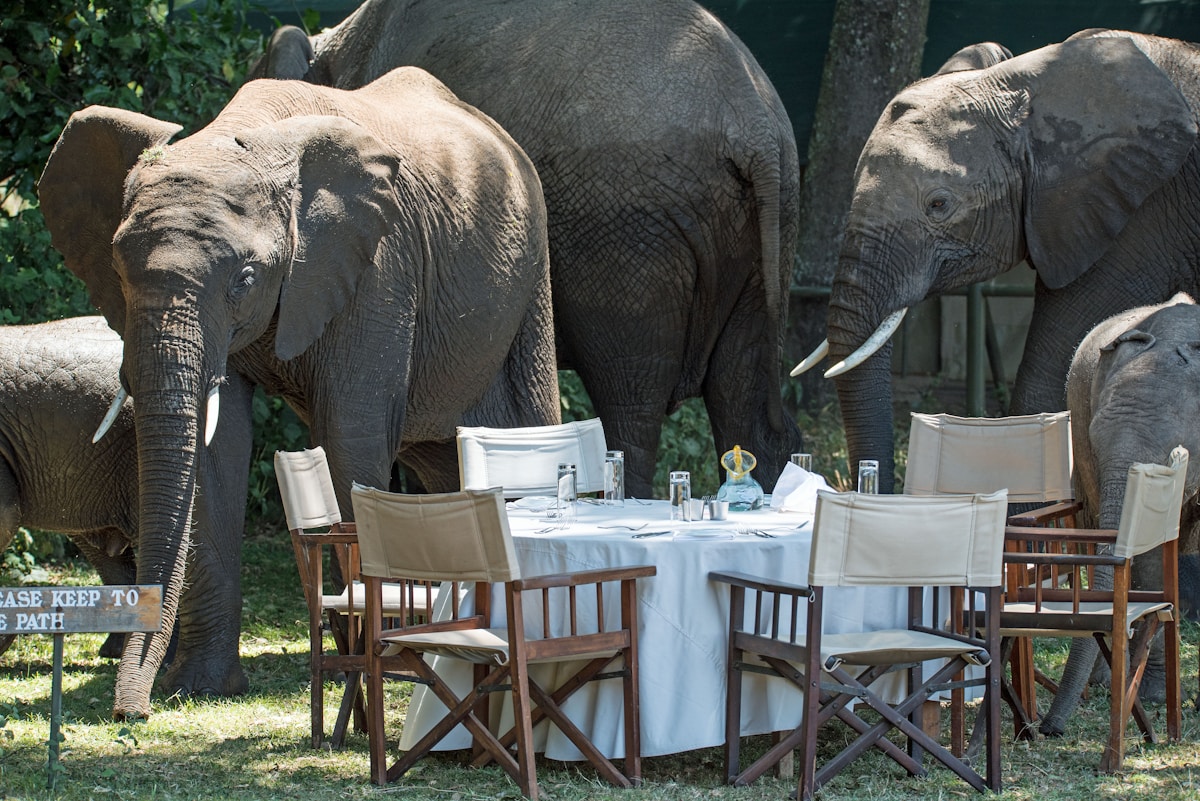
The Masai Mara is Kenya’s most visited game reserve - and arguably Africa’s most famous. Choosing where to stay shapes your entire experience: whether you are close to the Mara River for migration crossings, which zone you access, how many other vehicles you share the bush with, and how much of your budget goes to accommodation versus activities. For a full overview of the reserve, wildlife, and game drive tips, see our Masai Mara wildlife guide.
This guide covers the full spectrum, from public campsites to ultra-luxury conservancy camps, with specific named properties and honest price ranges as of 2026.
Understanding the Masai Mara’s Zones
Before choosing a camp, it helps to understand that “the Masai Mara” is not a single entity:
Masai Mara National Reserve (MMNR) - The original 1,510km² core reserve. Two management zones:
- Mara Triangle (western): managed by the Mara Conservancy, higher road standards, lower vehicle density
- Sekenani / Talek / Ololaimutiek gates (eastern): managed by Narok County, more lodges, more accessible
Private Conservancies - Roughly 600,000 additional acres of community land surrounding the reserve. These include Olare Motorogi, Naboisho, Ol Kinyei, Mara North, Mara Naboisho, and others. Benefits of conservancy camps: strict vehicle limits per sighting, night game drives, off-road driving, and walking safaris - none of which are allowed in the main reserve. A Maasai village visit is available through most conservancy camps as an add-on activity.
Budget Options: From Approximately USD 50–150 Per Person Per Night
Budget accommodation is mostly located outside the reserve boundary, along the roads approaching the main gates. You pay daily reserve entry fees separately (approximately USD 80/day for non-residents as of 2026).
Mara Sidai Camp (near Sekenani Gate) - A small tented camp with basic facilities, shared ablution blocks in some units. From approximately USD 80–130 per person per night as of 2026, full board. Transport into the reserve is available via the camp’s shared vehicles.
Mara Crossings Camp (eastern boundary) - Simple canvas tents with en-suite bucket showers and drop toilets in budget tents. From approximately USD 100–150 per person per night as of 2026. Experienced local guides, shared game drive vehicles.
Tipilikwani Mara Camp (Talek River, inside the reserve) - Larger budget-to-mid property. Simple furnishings, swimming pool, full-board included. From approximately USD 120–180 per person per night as of 2026 depending on season. Location inside the reserve boundary means no separate gate fee for daytime drives.
Kenya Wildlife Service public campsites - Basic cleared sites with pit latrines and no facilities inside the reserve. From approximately USD 30–50 per person per night as of 2026. Bookable at kws.go.ke. Bring your own tent, food, and cooking equipment. Used mainly by overlanders and budget backpackers with their own vehicles.
What to Expect at the Budget End
Game drives are typically in shared 4WD vehicles with 6–7 passengers. Accommodation ranges from simple canvas tents to basic brick bandas. Meals are generally included in full-board rates. The key limitation is that these properties cannot offer night drives or walking safaris, and you share game drive vehicles - which limits flexibility at sightings.
Mid-Range Options: From Approximately USD 150–400 Per Person Per Night
At this level, you typically get an en-suite tented room with proper furniture, hot showers, a shared lounge and dining area, and a more manageable guide-to-vehicle ratio.
Fig Tree Camp (Talek River, eastern Mara) - One of the Mara’s longest-established camps. Approximately 45 tented rooms along the Talek River. Swimming pool, full-board, professional guides. From approximately USD 200–400 per person per night as of 2026 depending on season. Location inside the reserve.
Mara Serena Safari Lodge (central reserve) - The Mara’s largest property, with around 74 rooms in a rondavel-style building on a hill. Central location with access to both crossing zones. Good for families. From approximately USD 300–500 per person per night as of 2026 full board.
Basecamp Masai Mara (Mara Triangle, inside the reserve) - Community-partnership camp with a genuinely good conservation model. Sixteen tents on the Mara River, eco-certified. Strong guiding team. From approximately USD 350–550 per person per night as of 2026.
Mara Eden Safari Camp (Mara Triangle adjacent) - Comfortable tented camp with Mara River proximity. Good base for western crossing points. From approximately USD 200–350 per person per night as of 2026 full board.
Keekorok Lodge (southern Mara) - Historic property, the first lodge built in the Mara (1962). Updated over decades, still functional at a mid-range price. From approximately USD 250–400 per person per night as of 2026.
When Mid-Range Works Well
Mid-range is the sweet spot for travellers who want a comfortable experience without luxury prices. The key upgrade from budget is private guides (or smaller vehicle groups) and better lodge facilities. You still can’t do night drives in the main reserve, but the daytime experience is solid.
Luxury Options: From Approximately USD 400–1,500+ Per Person Per Night
Luxury properties in the Mara typically operate in private conservancies, giving access to night drives, off-road driving, and walking safaris - advantages that can dramatically improve sighting rates for leopard, aardvark, and nocturnal species. Rates are almost universally all-inclusive (game drives, meals, house beverages, often laundry).
Mara Triangle Zone
Governors’ Il Moran Camp - Six tents on a private Mara River bend. Intimate, family-run feel despite being part of the Governors’ group. Private vehicle and guide, river crossings within walking distance. From approximately USD 700–1,200 per person per night as of 2026, all-inclusive.
Rekero Camp (Governors’ group, Talek River) - Eight tents, similar all-inclusive model. Known for excellent guiding, particularly for cats. From approximately USD 850–1,100 per person per night as of 2026.
Sanctuary Olonana (Mara North Conservancy, adjacent to Mara Triangle) - Private conservancy camp, twelve tents on the Mara River. Night drives permitted. From approximately USD 700–1,000 per person per night as of 2026 all-inclusive.
Conservancy Properties
Angama Mara (above the reserve, Great Rift Valley escarpment) - Two glass-walled camps on the cliff edge above the Mara, with panoramic views over the reserve. Photography-focused programme with studio facilities. Not inside the reserve - guests drive down for game drives. From approximately USD 1,400–1,900 per person per night as of 2026. Book directly through angama.com.
Cottar’s 1920s Safari Camp (Oltiyiani Conservancy, southeastern Mara buffer) - Private 6,500-acre conservancy, twelve tents, no other vehicles on the land. Walking safaris, night drives, and a genuine 1920s design aesthetic. From approximately USD 1,000–1,500 per person per night as of 2026.
Mahali Mzuri (Olare Motorogi Conservancy, north Mara) - Richard Branson’s Virgin Limited Edition property. Twelve tents with private plunge pools, high service levels. From approximately USD 1,500–2,000 per person per night as of 2026.
Porini Lion Camp (Olare Motorogi Conservancy) - Conservation-focused camp on a private concession, strict vehicle limits per sighting. Walking safaris included. From approximately USD 550–750 per person per night as of 2026.
Naboisho Camp (Mara Naboisho Conservancy) - Eight tents, private conservancy, low vehicle impact model. Strong night drive programme. From approximately USD 900–1,300 per person per night as of 2026.
Location: Which Area to Choose
| Area | Best For | Access | Notes |
|---|---|---|---|
| Mara Triangle | Lower vehicle density, early migration arrivals, photography | Via Mara Serena airstrip or Olololo Gate | Road from Nairobi is longer |
| Talek / Sekenani | More accommodation options, easier road access | Via Keekorok or Talek airstrips, Sekenani Gate | Busier at crossing points |
| Private conservancies (Olare Motorogi, Naboisho, Ol Kinyei) | Night drives, off-road, walking safaris, lower vehicle counts | Own airstrips or light aircraft from Wilson | Higher minimum price point |
| Escarpment (Angama area) | Views, photography, less crowded | Via Kichwa Tembo airstrip | Not inside reserve; drive down for game drives |
Seasonal Pricing
Most Mara camps use three to four seasonal price bands:
- Peak season (July–October): Highest rates - 30–50% above shoulder. Most camps sell out for July–August up to a year ahead.
- Shoulder season (June, November): 10–20% below peak. Still excellent wildlife; June has early migration arrivals.
- Low season (December–March): Lowest rates, sometimes 30–40% below peak. Some camps close November–December for maintenance. Resident wildlife (big cats, elephant, buffalo) remains excellent.
April–May is green season - long rains. Rates are low but track conditions can be poor and some camps close entirely. Not recommended for a first Mara visit.
How to Book
Direct with the camp - Most luxury properties handle direct bookings with full rate transparency. Use for known, specific properties.
GetYourGuide - For day trips and multi-day packages from Nairobi that include accommodation, game drives, and transfers bundled. Browse Masai Mara safari tours to compare operators and read reviews before committing to a package.
Specialist safari agents - For complex itineraries combining multiple properties across different zones. Agents such as Gamewatchers Safaris, Micato, and Asilia Africa have allocation relationships with top conservancy camps and can access dates that appear sold out online.
Safarilink / AirKenya - Book domestic flights to Mara airstrips (Keekorok, Ol Kiombo, Musiara) separately or via your agent. From approximately USD 150–320 one-way from Nairobi Wilson Airport as of 2026. For the complete migration timeline and what to expect month-by-month, see our great migration guide and the Masai Mara vs Serengeti comparison. For budget camping options within the reserve, our Kenya budget safari guide explains public campsites and what they include. For the best time to plan your Mara trip, see the best time to visit Kenya guide.