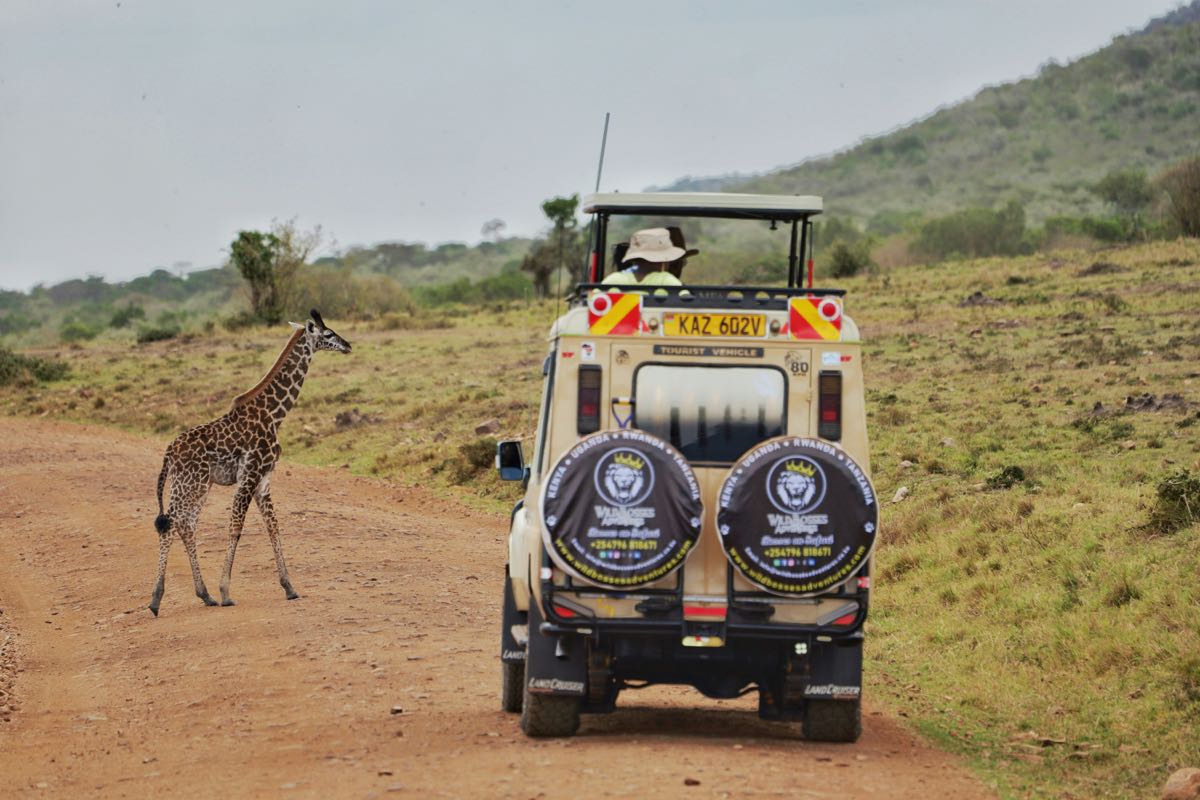
The Masai Mara is Kenya’s most celebrated wildlife destination - 1,500 square kilometres of open savanna on the northern extension of the Serengeti ecosystem. A 4-day trip from Nairobi gives you two full days of game drives plus comfortable travel time at each end.
Getting There: Fly vs Drive
Option A: Flying (Recommended)
Safarilink and AirKenya operate multiple daily scheduled flights between Nairobi Wilson Airport and the Mara’s airstrips (Ol Kiombo, Kichwa Tembo, and several private strips). Flight time: approximately 30 minutes.
One-way fares from approximately USD 180–200 (economy, booked in advance) to USD 280–350 (peak season, last-minute booking). Book directly on the Safarilink or AirKenya websites. Luggage is restricted to 15kg in soft bags only - no hard-sided suitcases.
Wilson Airport is 8km from the CBD and 30km from JKIA. Transfer from JKIA to Wilson by Bolt costs approximately KES 1,500–2,500 (40–60 minutes).
Option B: Driving
Distance from Nairobi to the Mara’s main camps: approximately 270km via the B3. Journey time: 5–6 hours in good conditions, longer in rain.
Route: Nairobi → Narok on the C12/B3 (paved but with significant traffic) → Narok to Sekenani Gate via dirt/murram road. The last 70km is rough and requires a 4WD or high-clearance vehicle - ensure any hired vehicle qualifies. Standard saloon cars are not appropriate.
Petrol should be filled in Narok - there are no reliable fuel stations beyond this point.
Safari operator-organised road transfers run approximately USD 100–150 per person each way with a shared vehicle. Masai Mara safari tours that include transport from Nairobi, game drives, and accommodation in a single package are available for those who prefer not to arrange each element separately.
Accommodation by Budget Tier
Budget (approximately USD 100–180/person/night, all-inclusive)
Mara Sopa Lodge (within the reserve) is a reliable mid-budget option with good game drive access. Standard rooms, hot water, and a pool. Approximately USD 180/person/night in peak season.
Mara Bush Camp is a basic tented camp with shared facilities. From approximately USD 100/person/night, all-inclusive. The guiding quality here can be excellent despite the lower price point.
Olare Motorogi Tented Camp (conservancy side) offers more personalised experience from approximately USD 150/person/night.
Mid-Range (approximately USD 250–450/person/night, all-inclusive)
Governors’ Camp (Mara River) has been operating since 1972 and is one of the Mara’s most trusted lodges. All-inclusive from approximately USD 400/person/night in peak season. The riverside location is excellent for predator activity. Book directly through governorscamp.com.
Mara Serena Safari Lodge sits on a hill inside the reserve with panoramic views. From approximately USD 280/person/night all-inclusive.
Sanctuary Olonana (Mara River, within the reserve) - 15 luxury tents from approximately USD 450/person/night all-inclusive. Exceptional location for Mara River crossings.
Luxury (approximately USD 700–1,500/person/night, all-inclusive)
Angama Mara (Oloololo Escarpment) perches above the Mara valley on the exact site Karen Blixen flew over. 30 tented suites; from approximately USD 1,500/person/night all-inclusive. Photography studio and the Mara’s finest cuisine. Book directly through angama.com.
4-Day Itinerary
Day 1: Nairobi → Masai Mara, Afternoon Game Drive
7am: Transfer from hotel to Wilson Airport (Bolt, approximately KES 1,500). 8am: Check in at Wilson. Safarilink and AirKenya desks are straightforward. 9am–9:30am: Fly to Ol Kiombo or Kichwa Tembo airstrip. Lodge vehicle meets at the airstrip - typically a short game drive en route to camp, giving your first wildlife encounter. Midday: Arrive at camp. Lunch, rest during the midday heat. 4pm–7pm: Afternoon game drive. The best light for photography is the hour before sunset (6:30–7:30pm). Lions are most active in the late afternoon.
Day 2: Full Day Game Drive
6am: Dawn game drive. This is the golden hour - predators are still active from the night, the light is extraordinary, and the savanna is cool. Three hours of the best wildlife viewing in Africa. 9am: Return to camp. Breakfast. 11am–4pm: Rest period. In luxury camps, guided walking safaris or cultural visits to Maasai villages can be arranged during the midday hours. 4pm–7pm: Afternoon game drive. Two game drives per day is standard; some camps offer optional night drives (in private conservancies only).
Day 3: Full Day Game Drive, River Crossing Potential
If visiting July–October, Day 3 should be structured for maximum time at the Mara River for wildebeest crossing sightings. Crossings are unpredictable - the most reliable strategy is arriving at a crossing point early and waiting. Budget the full morning from 6am to noon at the river.
6am: River game drive, focusing on Mara River crossing points (Paradise Plain crossing, Lookout Hill area). 1pm: Return for lunch. 4pm: Afternoon drive on the main savanna circuit.
Day 4: Morning Drive, Fly Back
6am: Final dawn game drive. 9am: Breakfast at camp. 10:30am: Transfer to airstrip. 11am–noon: Flight back to Wilson Airport. Afternoon: Transfer to JKIA or hotel.
What to Bring
- Neutral-coloured clothing (khaki, green, tan). White and bright colours startle animals.
- Lightweight fleece or jacket - early morning drives are cold (10–15°C).
- Binoculars - essential for spotting distant predators.
- Sunscreen, hat, sunglasses.
- Camera with zoom lens if photography matters.
- Soft duffel bag (no hard suitcases on small aircraft).
- Cash: USD or KES for tips. Standard tip for safari guide: approximately USD 10–15/day. USD 5–10/day for camp staff.
Park Fee Structure
Masai Mara is managed by the Narok County Government (main reserve) and several private conservancies. National reserve fees: approximately USD 80/day non-resident as of 2026. Conservancy fees (Olare Motorogi, Mara North, etc.) vary and are typically included in lodge rates.
Wildlife Highlights by Month
January–February: Calving season on the plains - thousands of Thomson’s gazelle, wildebeest, and zebra newborns attract heavy predator activity. Cheetah sightings peak. No rain, good visibility.
March–May: Long rains bring lush green grass and fewer tourists. Predators active. Mud on roads. Some camps close April–May.
June: Dry season begins. Grass short, wildlife easily visible. Migration starting to build in Tanzania’s Serengeti.
July–September: Wildebeest migration. Hundreds of thousands of wildebeest and zebra enter the Mara from Tanzania. River crossings (July–October) are the most dramatic wildlife spectacle in Africa.
October: Migration begins tapering. Wildebeest numbers reducing but still significant. Short rains possible from mid-October.
November–December: Short rains. Green grass again. Short tourist season.
Big Five Status in the Mara
The Masai Mara has all Big Five species:
- Lion: Approximately 850–900 lions in the Greater Mara ecosystem. Multiple prides visible daily.
- Leopard: Present but secretive. Most reliably spotted at night (in private conservancies with night drive permits) or in the riverine fig trees along the Mara River.
- Elephant: Large herds in the reserve and extending onto private conservancies. Very approachable.
- Buffalo: Large herds on the open plains and in the woodland sections.
- Black rhinoceros: Extremely rare in the main reserve. The private Mara Rhino Sanctuary (inside the reserve, managed by the Mara Triangle) has a small population. Sightings require deliberate searching with an experienced guide.
Practical Tips
Vehicle selection: Open-sided 4WD game drive vehicles (Land Cruiser or Land Rover) are standard. Most lodges have 6–8 seater vehicles. Requesting a half-vehicle (4 seats) for privacy costs more but gives much better photography positions. Ask when booking.
Altitude: The Mara sits at approximately 1,500m - lower than Nairobi. Temperatures are warm during the day (25–30°C) and cool at night (12–15°C in dry season).
Mobile connectivity: Safaricom 4G coverage is available at most lodge locations and the main Sekenani/Talek gate areas. Remote areas of the reserve have no signal. Download offline maps before departing Nairobi.
For Nairobi hotel options before your safari, see our where to stay in Nairobi guide. A pre-booked airport transfer from JKIA to Wilson Airport (30km apart) prevents the frustrating taxi-negotiation gap between the two airports. For the full safari lodge breakdown, see our best safari lodges Kenya guide. For the wildebeest migration timeline and what to expect, see our great migration guide. For packing advice, see our Kenya packing list.
Travelling soon? Check our Kenya last-minute tours for confirmed availability and instant booking.
Book Your Trip
Flights — search and compare on Aviasales eSIM — stay connected with Airalo Travel insurance — get covered with EKTA Airport transfers — book with Kiwitaxi Car rental — compare with GetRentaCar Tours and activities — browse GetYourGuide