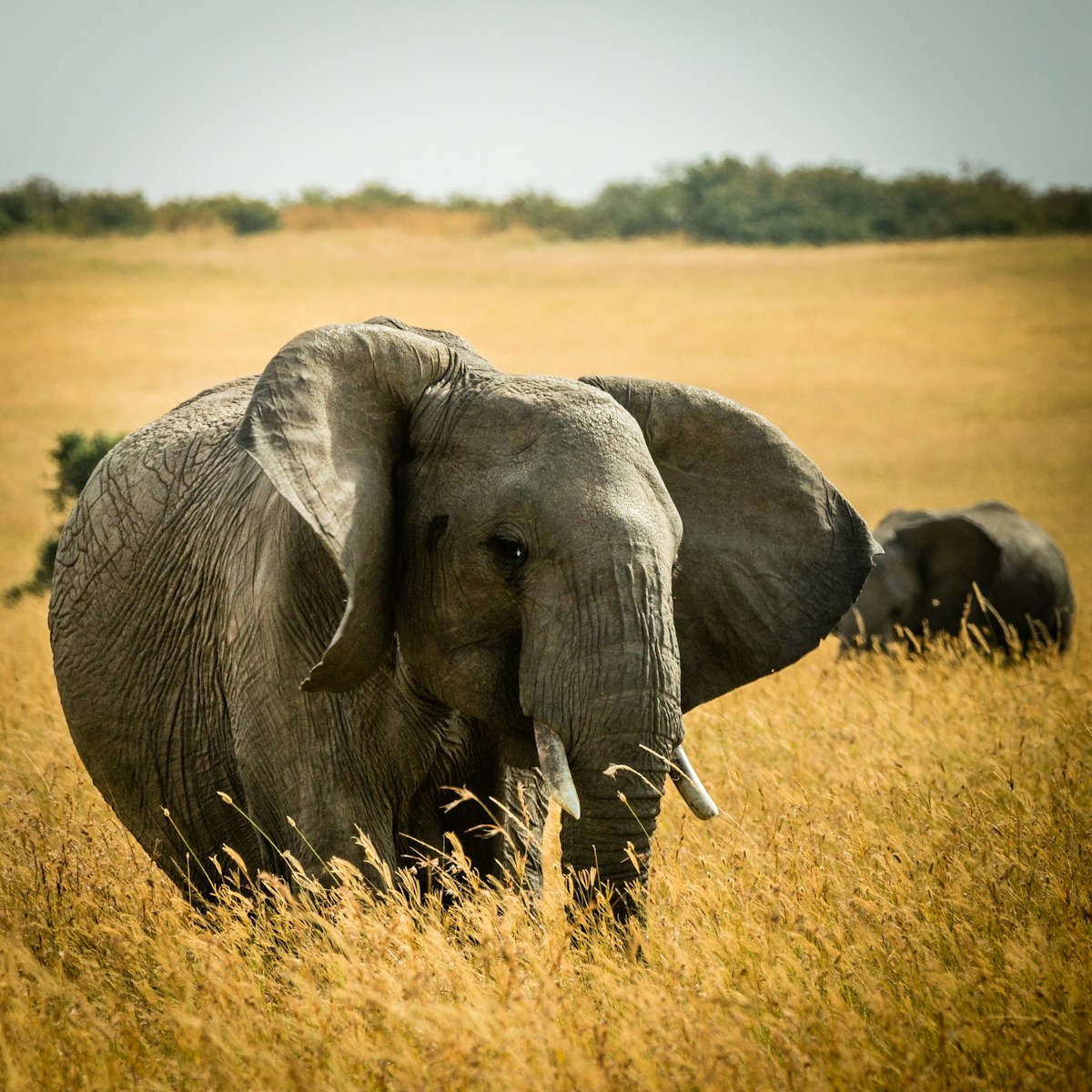
Samburu National Reserve sits at 900m above sea level in the semi-arid Laikipia Plateau of northern Kenya, 350km north of Nairobi. The Ewaso Ng’iro River bisects the reserve, providing permanent water that concentrates exceptional wildlife in a dry landscape of doum palms, desert rose, and red-ochre soil.
Samburu is less visited than the Maasai Mara or Amboseli but consistently rated by wildlife enthusiasts as one of Kenya’s most rewarding reserves. The combination of species found nowhere else in Kenya, dramatic scenery, and the Samburu people’s culture adds up to a distinctive experience.
The Samburu Special Five
These five northern species are the main draw for repeat Kenya visitors:
1. Grevy’s Zebra - the world’s largest wild equid, with narrower stripes than the common zebra and large rounded ears. Listed as endangered, with approximately 2,500 remaining in the wild, mostly in Samburu and Laikipia.
2. Reticulated Giraffe - a distinct giraffe species (or subspecies, depending on taxonomy) with a bold geometric patch pattern. Found only in northern Kenya, southern Ethiopia, and Somalia.
3. Gerenuk (Waller’s Gazelle) - a long-necked antelope that feeds by standing on its hind legs to reach high browse. The name means “giraffe-necked” in Somali. Common and easily observed along the riverine woodland.
4. Beisa Oryx - a large antelope with straight swept-back horns. Well-adapted to arid conditions. Groups of 5–40 animals are regularly seen.
5. Somali Ostrich - distinguishable from the Masai ostrich by its blue-grey neck (rather than pink). Found north of the equator.
Other Wildlife
Beyond the Special Five, Samburu has lions, leopards (frequently seen along the river), cheetahs, elephants, hippos, crocodiles, baboons, and vervet monkeys. Over 350 bird species have been recorded.
Crocodiles and hippos in the Ewaso Ng’iro River are numerous and visible from the river-facing camps and lodges.
Getting There
By air (recommended): Safarilink and AirKenya fly from Nairobi Wilson Airport to Samburu airstrip (approximately 1–1.5 hours, USD 150–300 one way). Most lodge packages include transfers.
By road: The Nairobi–Nanyuki–Isiolo highway to the reserve takes 5–6 hours. The road from Isiolo to the reserve (approximately 30km) is dirt and best handled with 4WD.
Entry Fees
Samburu National Reserve: Approximately USD 60 per adult non-resident per day (as of 2026).
Buffalo Springs National Reserve (adjacent, south of the river): Approximately USD 60 per day - a separate fee if you cross into it.
Accommodation
Mid-range (KES 20,000–40,000/person/night, full board):
- Samburu Lodge - the original large lodge in the reserve, reliable and well-positioned
- Samburu Sopa Lodge - good facilities, elevated position
Budget: Camping at the public campsites, approximately USD 20/person/night plus entry fees.
Best Time
January–February and July–October are the best months - dry conditions concentrate wildlife at the river. March–May brings rains and some road difficulties but the landscape is beautifully green and crowd-free.
The Ewaso Ng’iro River
The river is the organizing principle of Samburu’s wildlife. In the dry season, when the surrounding land is bare, every large mammal in the reserve gravitates to the river’s permanent water. Crocodiles (some large) and hippos are visible from the camps and lodges that line the northern bank. The density of wildlife at the river during a dry January or September is extraordinary - elephants wading across while reticulated giraffe drink from the far bank, with crocodiles patrolling the shallows.
Photography: The river scenes - animals against the doum palm backdrop - are among Kenya’s most photogenic safari subjects. The northern-bank lodges offer rooms facing the river with permanent wildlife activity.
Samburu People
The Samburu - closely related to the Maasai - are the dominant community of the region. Semi-nomadic pastoralists, they maintain their cattle, goat, and camel herds across vast areas of northern Kenya. Their relationship with wildlife is complex: cattle and predators compete for resources, but the Samburu have also been central to community-based conservation projects in Laikipia and beyond.
Most lodges in the reserve offer visits to Samburu manyattas (homesteads) as part of the safari experience - similar to a Maasai village visit in the south, though the Samburu culture is distinct. The beadwork jewellery of Samburu women is notable - bright reds and oranges in distinctive patterns worn in graduated rings around the neck.
Combined Itinerary
Northern Kenya circuit: Samburu pairs excellently with Ol Pejeta Conservancy (Nanyuki, 2.5 hours south) for a 5–7 day northern Kenya safari. Guided Kenya northern circuit tours connecting Samburu, Ol Pejeta, and sometimes Laikipia can be booked through specialist operators. From Nairobi, drive or fly to Nanyuki - 2 nights at Ol Pejeta for rhinos and the northern white rhinos - then drive or fly north to Samburu for 2–3 nights. The contrast between the lush Laikipia conservancy and the dry Samburu landscape is striking.
From Samburu, you can drive or fly to the Masai Mara (for a full Kenya circuit) or return to Nairobi via Nanyuki. Flying is the more comfortable option; the drive from Samburu to Nairobi via Nanyuki takes approximately 5–6 hours.
For the full northern Kenya planning context, see our Kenya safari guide and 10-day Kenya safari itinerary. The nearest town is Isiolo - useful for provisions and as an overnight stop before entering the reserve. Our Kenya health and vaccinations guide covers malaria precautions essential for this high-risk zone.