Isiolo: Gateway to Northern Kenya Guide
Isiolo is the gateway to northern Kenya: last supply town before Marsabit and Lake Turkana, and base for Samburu and Buffalo Springs wildlife reserves.
Guides for Isiolo
Isiolo is a frontier town at the edge of northern Kenya’s arid lands, 285km north of Nairobi. It sits at the foot of the transition between the green central highlands and the vast, hot, sparsely populated semi-desert that stretches north to the Ethiopian border. Beyond Isiolo, roads thin out, fuel stops become rare, and the landscape shifts dramatically to red earth, thorn scrub, and wide dry riverbeds.
For most travellers, Isiolo is the practical gateway to two of Kenya’s most rewarding wildlife destinations - Samburu and Buffalo Springs National Reserves - and the last substantial town before the remote north. It is the place to stock up, gather information, and decide whether to proceed.
Getting There
From Nairobi: The A2 highway via Thika, Nanyuki, and Timau takes approximately 3.5–4 hours (285km). From Nairobi’s CBD stages (Eastleigh area), buses and matatus run regularly throughout the day - cost approximately KES 500–700. The descent from Timau into Isiolo is dramatic - the landscape transforms from green highlands to brown semi-desert over 50km.
From Nanyuki: 85km southeast, approximately 1.5 hours. The most common staging point on the Nairobi route.
From Samburu National Reserve: The reserve entrance gates are approximately 50km northeast of Isiolo, accessible via the Archers Post junction. The road is tarmac to Archers Post (25km), then dirt track to the reserve.
Samburu and Buffalo Springs National Reserves
Isiolo is the primary access point for Samburu National Reserve and the adjacent Buffalo Springs and Shaba National Reserves. These parks sit 50–75km northeast of town on the banks of the Ewaso Ng’iro River.
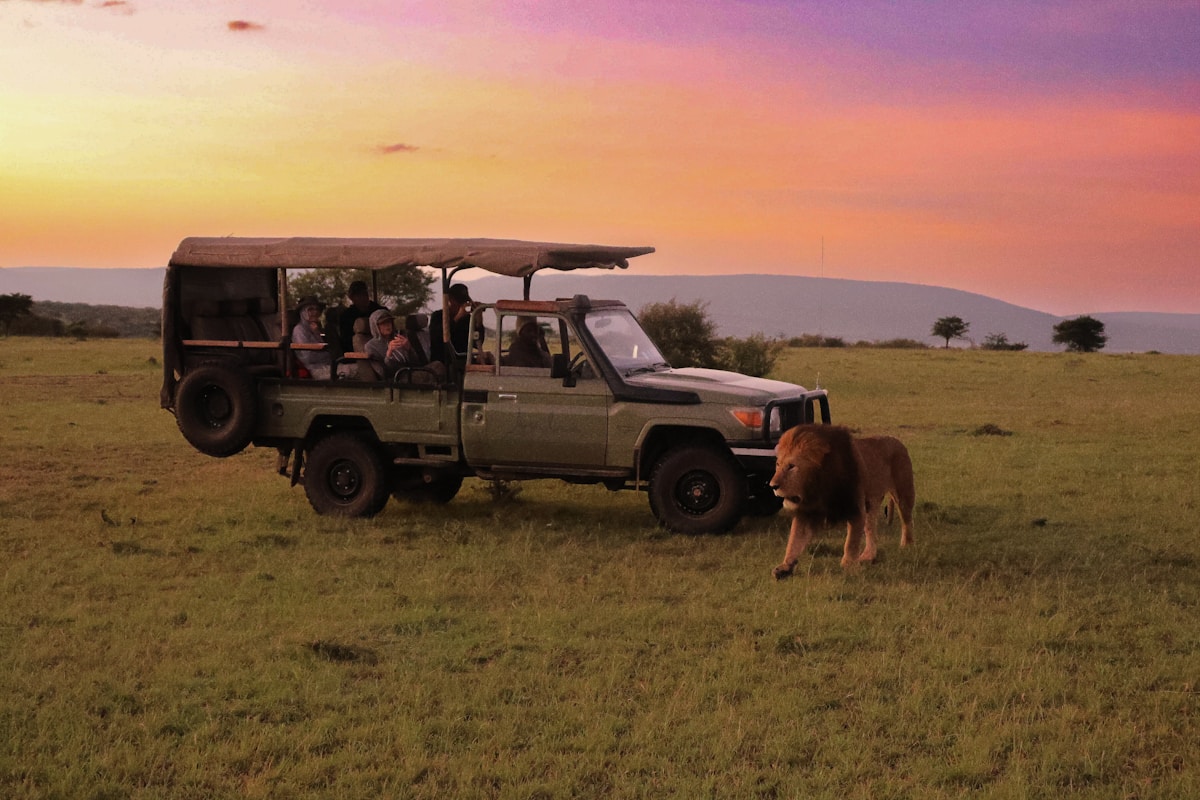
Why visit: Home to the Samburu Special Five - Grevy’s zebra, reticulated giraffe, Gerenuk, Beisa oryx, and Somali ostrich - species found in northern Kenya but not in the southern parks. Combined with excellent lion, leopard, elephant, and crocodile sightings, Samburu is consistently rated among Kenya’s top wildlife experiences.
Entry fees: Approximately USD 60 per adult non-resident per day (as of 2026) for Samburu National Reserve, managed by Samburu County. Buffalo Springs has separate fees.
Transport: Most visitors arrange transport from Isiolo or Nanyuki - 4WD vehicles are essential for park driving. Safari operators based in both towns can arrange guided packages. You can also book Samburu safari tours through online operators before arriving.
For the full safari guide, see the Samburu National Reserve guide.
The Town
Isiolo has a distinctive character - a frontier mix of Borana, Somali, Samburu, Turkana, and highland Kenyan communities. Swahili and several local languages are spoken. The central market trades in livestock, produce, and goods moving between the highlands and the north. The town has a certain energy that comes from being at a genuine crossroads.
Main market: The livestock market is a significant local institution - camels, cattle, and goats are traded here regularly, part of the pastoral economy of the north. The daily produce market has basic goods at reasonable prices.
Accommodation options: The town has functional mid-range hotels suitable for overnight stays before or after Samburu visits. See the Where to Stay section below for named options.
Where to Eat in Isiolo: The town’s restaurant scene reflects its frontier character — Borana, Somali, and Swahili cuisines intermingle. Frontier Lodge restaurant on the main road serves solid Kenyan and Somali-influenced dishes (KES 300–700 per main course). The bus stage area has numerous local joints offering ugali, goat stew, and chapati for KES 150–300. Camel milk, a northern Kenya staple, is sold at roadside stalls throughout the town — fresh and chilled, approximately KES 50–100 per cup. The main market has fresh vegetables, local honey, and dried goods at competitive prices — stock up here before heading to Samburu or further north where food options are limited.
The Road North
Beyond Isiolo, the road north to Marsabit (270km), Moyale (at the Ethiopian border, 540km), and Lake Turkana (530km+ via different routes) requires serious expedition planning.
Requirements:
- 4WD is essential (in some seasons 2-wheel drive is possible on the tarmac section to Marsabit, but conditions change)
- Carry extra fuel - distances between reliable fuel stops can exceed 200km
- Carry sufficient water for extended breakdowns
- Satellite phone or emergency communication device recommended
- Two-vehicle travel strongly advised
- Check current security situation with FCDO/State Department before departure
Marsabit: 270km north of Isiolo, the main town of the northern frontier district. Marsabit National Park (Mount Marsabit - a forested volcanic mountain with crater lakes, and one of Kenya’s last populations of large-tusked elephants) is a remarkable destination for those willing to make the journey.
Lake Turkana route: Multiple approaches, the most common from Isiolo being via Marsabit and North Horr. Total journey 530km+ from Isiolo, typically 2–3 days. The lake’s jade-green colour in a black lava landscape is extraordinary.
Where to Stay
In Isiolo: Bomen Hotel is the most reliable mid-range option in the town centre (approximately KES 4,000–7,000/night) with a functional restaurant, reliable hot water, and secure parking. Sportsman’s Arms Hotel is well-established and popular with safari drivers stopping overnight — similar pricing, restaurant on site, and ample space for large 4WD vehicles. Frontier Lodge offers slightly more basic rooms from approximately KES 2,500–4,000/night — budget-friendly and centrally located. All three have secure compounds, important if you are travelling with a loaded hired 4WD heading north.
Search hotels in Isiolo on Booking.com
In Samburu: Luxury options include Elephant Bedroom Camp (from approximately USD 400/person/night, all-inclusive, on the riverbank) and Sasaab (in the adjacent Westgate Conservancy, from approximately USD 500/person/night). Mid-range options include Samburu Lodge (from approximately KES 25,000/person/night, full board).
Practical Information
Climate: Isiolo is hot and arid - average daytime temperatures 30–38°C, with higher peaks in the dry season. Carry sun protection, a hat, and adequate water at all times.
Malaria: Significant risk in the lower, hotter areas around Isiolo and throughout the Samburu region - malaria prophylaxis is essential.
Fuel and provisions: Fill up in Isiolo before heading to Samburu or further north. The town has multiple petrol stations, supermarkets, and banks (Equity, KCB). ATMs are available but can run out of cash - carry sufficient cash before heading north.
Security: Isiolo town itself is generally safe for tourists with standard precautions. The main market area and bus stage are busy and require normal vigilance. For travel north of Isiolo, always consult current official travel advisories. See our is Kenya safe guide for a broader overview.
For more on the wildlife parks near Isiolo, see the Samburu wildlife guide. Our Isiolo hotels guide covers all accommodation options, and the Isiolo food guide covers dining in the frontier town.
Frequently Asked Questions
- Why is Isiolo important for travellers to Kenya?
- Isiolo marks the transition between Kenya's green highlands and the vast semi-arid north. It is the practical gateway to Samburu and Buffalo Springs National Reserves (50km northeast), and the last well-stocked town before the remote north. For travellers heading to Lake Turkana, Marsabit, or the Mathews Range, Isiolo is the last place to stock up on fuel, provisions, and local knowledge.
- How do I get to Isiolo from Nairobi?
- Isiolo is 285km north of Nairobi - approximately 3.5–4 hours via the A2 highway through Nanyuki. Buses and matatus from Nairobi's Eastleigh and CBD stages cost approximately KES 500–700. The road is tarmac and in good condition via Nanyuki.
- Is northern Kenya beyond Isiolo safe to visit?
- The situation north of Isiolo varies by area and changes over time. Always check current UK FCDO (gov.uk/foreign-travel-advice/kenya) or US State Department guidance before travel north of Isiolo. Some routes require registered convoy travel or are advised against all but essential travel. Within 60km of Isiolo, including Samburu National Reserve, conditions are generally safe for tourists with normal precautions.
Book an experience
Top experiences in Isiolo
Explore the best tours and activities in Isiolo - instant confirmation, free cancellation on most bookings.