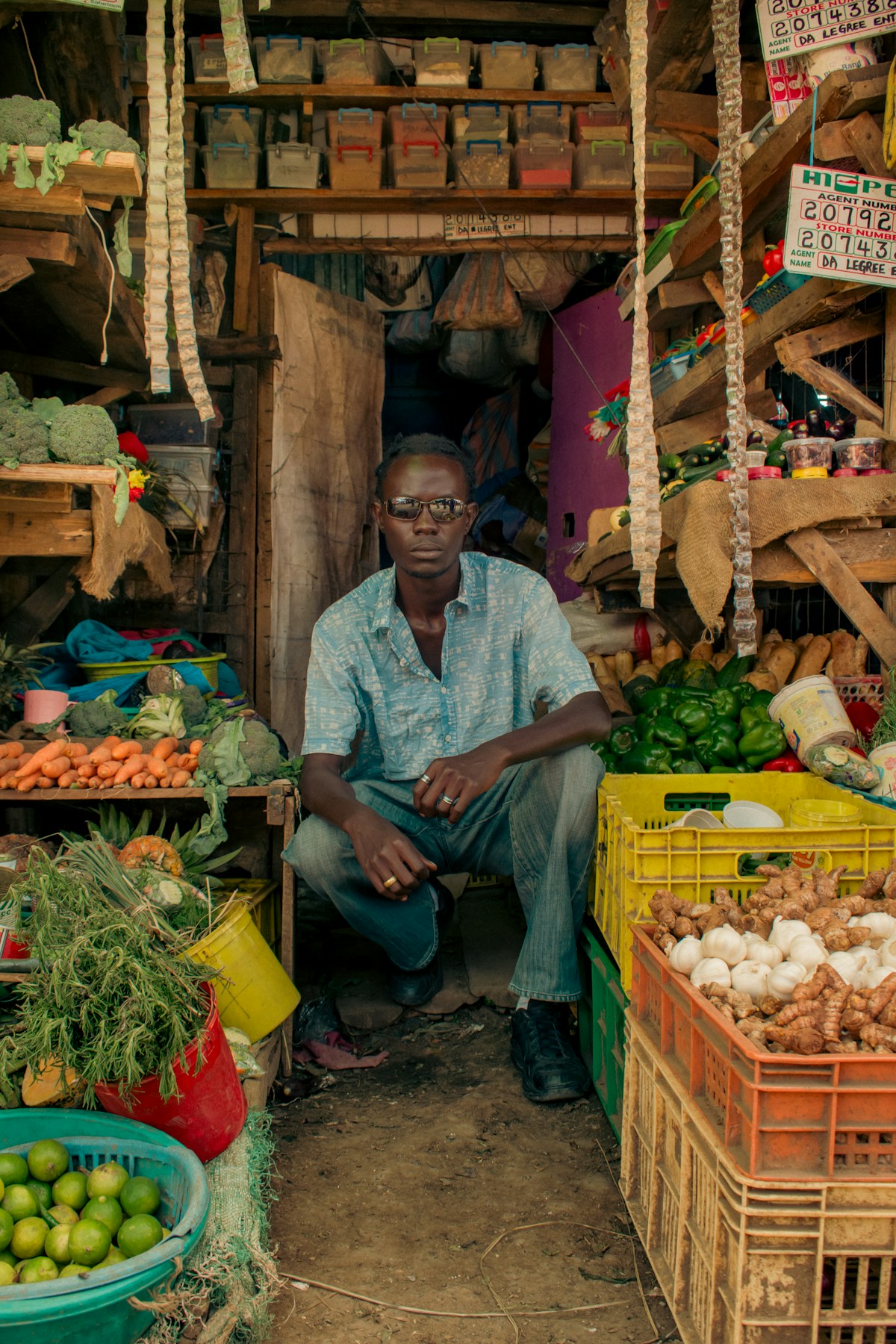
Isiolo is not a food destination in the way Nairobi or Mombasa are. What it offers instead is something more honest: the food of a working frontier town where several distinct pastoralist cultures meet, trade, and eat. Understanding what you are eating here means understanding something about how northern Kenya functions.
The Northern Kenya Food Culture
The communities that converge in Isiolo - Borana, Somali, Samburu, Turkana, and up-country Kikuyu and Meru traders - each bring distinct food traditions. What results in the town’s restaurants is a blended but clearly northern Kenyan palette.
Goat is the dominant protein, and for a logical reason: the Borana and Somali pastoralists around Isiolo keep millions of goats. The animals are bred here, traded here, and eaten here. A plate of goat stew (called mbuzi in Swahili, or hoolaa in Borana) arrives as generous chunks in a thick broth with onion, tomato, and spice, typically served with either ugali (stiff maize porridge) or rice and a side of chapati. A full meal costs approximately KES 250–450 / US$2–3.50 as of 2026 at a local restaurant.
Camel Milk and Camel Meat
Isiolo sits at the southern edge of Kenya’s camel-keeping belt. The Borana and Somali communities here have herded camels for centuries, and the town market reflects this: fresh camel milk is sold from jerry cans most mornings, and camel meat appears in several local restaurants.
Camel milk tastes lighter and slightly saltier than cow’s milk with a distinctive flavour that is hard to describe before you try it. It has a long tradition of use in pastoralist communities across the Horn of Africa. At the main market, a cup costs approximately KES 50–80 / US$0.40–0.60 as of 2026.
Camel meat (nyama ngamia) is leaner than beef and slightly gamey. It appears in stew form at a few local eateries rather than as nyama choma (because camel is not commonly grilled in the Isiolo style). Not every restaurant stocks it - ask directly. The experience of eating camel at a plastic-table restaurant in Isiolo market is a firmly northern Kenya one.
Where to Eat in Town
Bomen Hotel Restaurant serves the widest menu of the town’s established hotels - grilled chicken, goat chops, fish (tilapia arrives from the lake region up the supply chain), ugali, rice, and chapati. The kitchen handles a range from Kenyan staples to basic pilau. Breakfast is served early - by 6am for safari departures. Meals run approximately KES 400–900 / US$3–7 as of 2026.
Search hotels in Isiolo on Booking.com
Sportsman’s Arms Restaurant is similar in scope and price. Reliable, long-established, and used extensively by safari drivers who know that the kitchen delivers consistent quality without fuss. The grilled nyama (goat) is particularly good. The restaurant operates on a set-opening schedule - confirm hours at reception if you are arriving late.
Local restaurants near the bus stage are where Isiolo eats on a daily basis. Several open by 6:30am serving mandazi, chai, and maandazi (larger flat bread). The lunch hour brings ugali and stew, nyama choma by the side, and fresh fruit at KES 30–80 / US$0.25–0.60 from market vendors. The quality varies but the prices are KES 150–300 / US$1.15–2.30 for a complete meal. This is where to eat if you want to understand the town rather than observe it from a hotel dining room.
Somali Food Influence
The significant Somali community in Isiolo brings its own food culture - most visible in the presence of rice dishes cooked with spices in the Somali style, flatbreads similar to Somali canjeero (spongy flatbread fermented from sorghum or maize flour), and tea served heavily spiced with cardamom and cinnamon. Some Somali-run restaurants serve suqaar (diced camel or beef stir-fried with cumin, garlic, and peppers) with rice - a simple dish that is better than it sounds.
Look for these restaurants in the older commercial quarter of town near the main market.
Stocking Up for the Road North
If you are continuing north toward Marsabit (270km) or beyond, Isiolo is your last reliable point to buy food. The town has several supermarkets and kiosk shops where you can buy packaged goods: biscuits, canned fish, pasta, cooking oil, sugar, and bottled water. Fresh fruit and vegetables are available at the market every morning.
Safari camp visitors heading into Samburu need nothing from Isiolo’s restaurants - all meals are included in camp rates. But if you are self-driving to KWS campsites, load food here. There are no shops inside the reserve and the nearest resupply point after Isiolo is Archers Post (25km towards the reserve), which has only basic supplies.
Breakfast Before the Game Drive
The most practical meal in Isiolo is an early breakfast before a Samburu morning drive. Mandazi - lightly sweetened fried dough pastry - with a glass of spiced chai from a roadside vendor costs approximately KES 60–100 / US$0.45–0.75 and takes five minutes. This is how most Kenyans start the day here. Both Bomen Hotel and Sportsman’s Arms also serve cooked breakfasts (eggs, toast, sausage, chai) from around KES 300–500 / US$2.30–3.85 for guests who prefer a fuller meal before the drive. For Samburu day trips and guided tours from Isiolo, book Kenya safari tours in advance to secure your preferred game drive slots.
For full town orientation and transport details, see our Isiolo city guide. For Samburu National Reserve near Isiolo, see the Samburu wildlife guide. For accommodation options, see the Isiolo hotels guide. If you are continuing north, our Kenya getting around guide covers road conditions and transport options for the northern route.