Search hotels in Isiolo on Booking.com
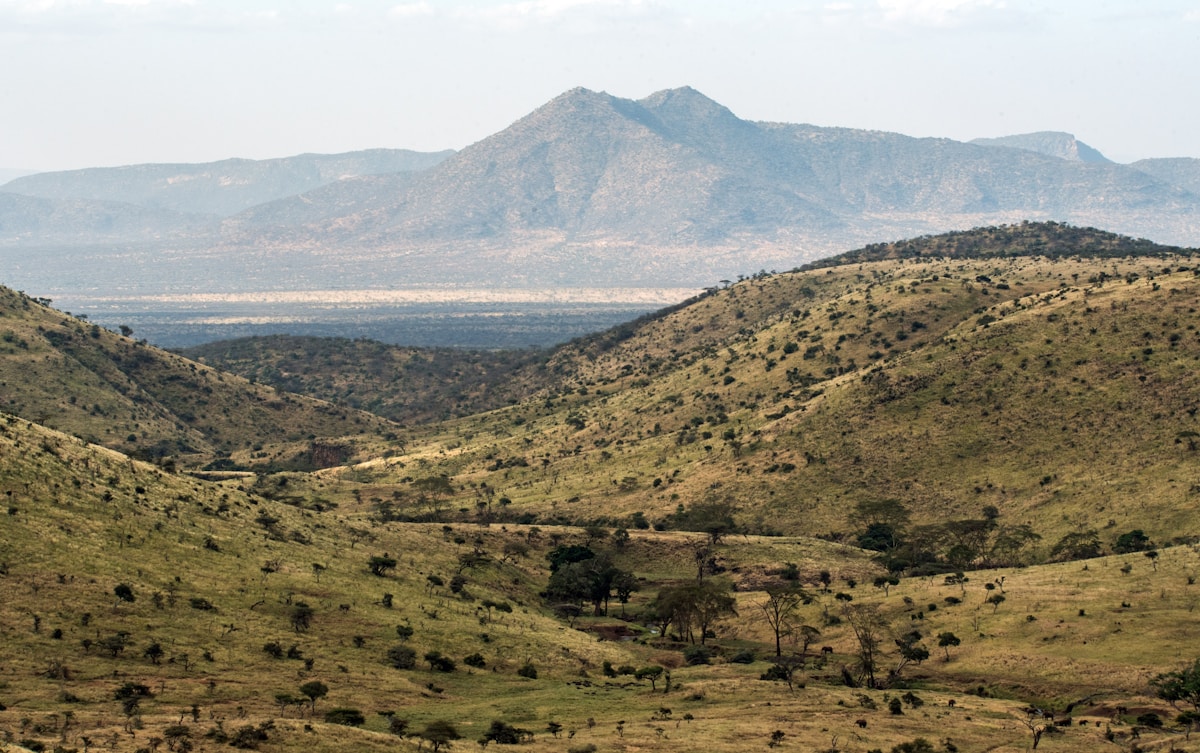
Isiolo sits at the point where highland Kenya tips into the arid north. At 285km from Nairobi and temperatures that regularly reach 35–38°C, it is a genuine edge town - the last major settlement before the road turns toward Marsabit, Moyale, and the Ethiopian border. Most visitors come because Samburu National Reserve and Buffalo Springs are 50km to the northeast. That pull is entirely justified. But the town itself, and the stretch of semi-arid country surrounding it, rewards a closer look.
Samburu National Reserve
Samburu is the main event, and it earns that status. The reserve occupies 165km² of semi-arid thornbush along the Ewaso Ng’iro River - a permanent water source that concentrates wildlife year-round. Entry fees run approximately USD 60 per adult non-resident per day as of 2026 (paid via the eCitizen platform or at the gate; confirm current fees at the Kenya Wildlife Service website before departure).
The wildlife distinction here is the Samburu Special Five: Grevy’s zebra (the world’s largest zebra species, with tightly-packed stripe patterns), reticulated giraffe (bold geometric patches), Gerenuk (a long-necked antelope that feeds standing upright on two legs), Beisa oryx (grey with striking black facial markings), and Somali ostrich (blue-necked rather than pink-necked as in the south). None of these appear in the Masai Mara. Seeing all five in a single morning game drive is common in Samburu.
Beyond the Special Five, the reserve holds large elephant herds - often 30 or more animals drinking at the river - plus lion, leopard (regularly seen at night), cheetah, and abundant plains species. Morning game drives start at 6am and the hour after dawn is the most productive. Bring binoculars. The heat haze builds by 10am and midday game drives are generally slower.
Arranging a game drive: most visitors come with a safari operator who provides a 4WD vehicle and driver-guide. If self-driving, you need a 4WD - the tracks inside the reserve are corrugated dirt and sand. There are no petrol stations inside the reserve. You can book guided Samburu safari tours from Nairobi that include transport, park entry, and a driver-guide. See our Samburu National Reserve wildlife guide for a full breakdown of the Special Five and seasonal conditions.
Buffalo Springs and Shaba National Reserves
Buffalo Springs National Reserve shares the Ewaso Ng’iro River with Samburu and sits directly south of it. Entry fees are separate but comparable (approximately USD 60/day adult non-resident as of 2026). The landscape is slightly more open, with better views across the plains. Many visitors combine a morning in Samburu with an afternoon drive through Buffalo Springs on the same day - logistically simple if you have your own vehicle or a flexible operator.
Shaba National Reserve lies further east, less visited, and more remote. It is where Joy Adamson of Born Free lived and was later killed. The landscape is dramatic - volcanic rock formations, doum palms, and the river. Wildlife densities are lower than Samburu but the sense of wilderness is stronger. Day trips to Shaba from Isiolo require an early start (4–5 hours round trip plus time inside). Some safari operators offer overnight Shaba extensions.
Isiolo Town and the Frontier Market
Isiolo town itself is worth a morning. The main market is one of the most ethnically diverse in Kenya - Borana pastoralists in from the surrounding land, Somali traders with stalls selling cloth and electronics, Samburu and Turkana people, and up-country Kenyans running guesthouses and supplies. The livestock section of the market trades camels, cattle, and goats daily. Early morning (6–9am) is busiest.
There are no formal tourist attractions in the market. What you get instead is a clear view of how northern Kenya actually functions - the trade routes, the cultures, the conversations happening in four or five languages simultaneously. Walk with curiosity rather than a checklist.
The main street has hardware shops, mobile money kiosks, pharmacies, and fuel stations - Isiolo is the last reliable place to buy anything before heading north. Fill your fuel tank here, not 50km down the road.
Lewa Wildlife Conservancy
Lewa Conservancy is 50km south of Isiolo and one of Kenya’s most important rhino sanctuaries. It is a private conservancy with no gate fee for drive-through access in the conventional sense - access is typically arranged as part of a stay at one of the conservancy lodges (expensive, from approximately USD 300+/person/night). Day-visit options exist through some operators in Nanyuki. Worth noting if you are combining northern Kenya with a stay near the Laikipia Plateau.
Planning the Road North
If you are continuing north from Isiolo toward Marsabit (270km), understand what that means. The A2 highway runs north through flat semi-desert. The town of Merille at roughly the halfway point has basic fuel and food. Marsabit itself, on a forested mountain above the desert, is a genuine highland town with guesthouses, shops, and the extraordinary Marsabit National Park.
Carry a minimum of 20 litres of additional fuel, several litres of water per person, and basic vehicle repair supplies. Travel during daylight. The UK FCDO maintains security advisories for northern Kenya counties - check these before departing, as conditions can change.
For detailed orientation on the town and how to reach Samburu, see our Isiolo city guide. For the Samburu National Reserve in detail, see the Samburu wildlife guide. For accommodation near Samburu, see our Isiolo hotels guide. For eating in Isiolo before or after game drives, the Isiolo food guide covers the best options including early-morning breakfast spots.