Kenya is safe for the overwhelming majority of tourists who visit each year. The country receives approximately 2 million international visitors annually, and serious incidents involving tourists are statistically rare in the main destinations. That said, being informed about specific risks makes for a better, safer trip.
This guide gives an honest assessment of risks by location - not a blanket “it’s fine” and not an exaggerated warning.
Nairobi: City-Level Precautions
Nairobi is Kenya’s capital and primary entry point. It is a large, fast-growing city with significant inequality - the predictable result is urban crime, primarily petty theft.
What to be aware of:
- Phone snatching: The most common crime affecting tourists. Do not use your phone on the street in the CBD or near bus stations. Use it inside buildings, vehicles, or on clear secure streets in the suburbs.
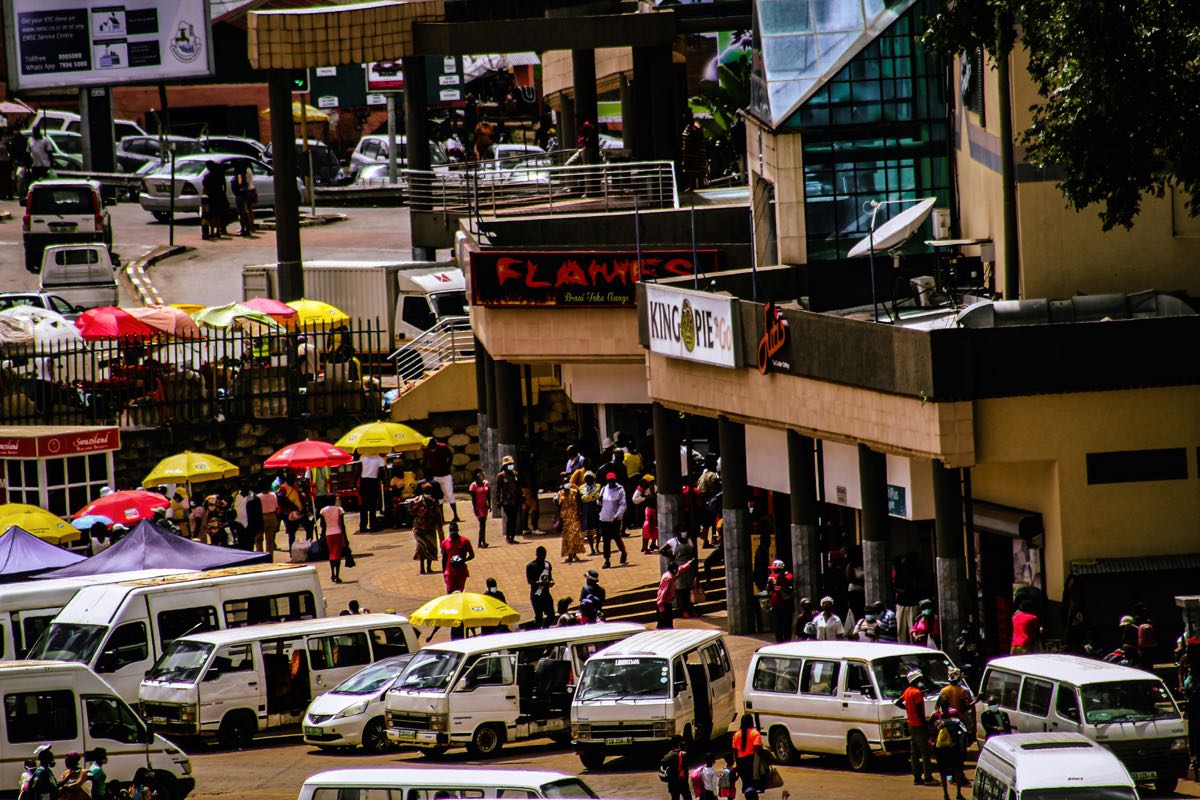
- Bag snatching: Common near Nairobi CBD, River Road, and crowded matatu stages. Carry bags on your body, not hanging loose.
- Taxi scams: Use Uber, Bolt, or hotel-recommended drivers. Never accept an offer from an unsolicited driver at the airport or in the CBD.
- ATM fraud: Use ATMs inside banks or shopping centres rather than standalone machines on the street.
Search hotels in Kenya on Booking.com
Safe areas for tourists (day and evening):
- Westlands, Kilimani, Langata, Karen, Gigiri (Diplomatic area), Lavington
- Major shopping centres: Village Market, Westgate, Sarit Centre, Garden City
Higher risk areas (avoid or use extra caution):
- Nairobi CBD after dark
- River Road / Accra Road (major bus station area) especially at night
- Mathare, Kibera, Korogocho (informal settlement areas) - not tourist destinations
- Immediate surroundings of Nairobi Muthurwa bus stage
Overall verdict: Nairobi is manageable for tourists who apply city sense. Millions of people live and work safely in Nairobi daily. The risks are concentrated in specific areas and situations. If you are travelling alone, our Kenya solo travel guide covers Nairobi neighbourhood safety in more detail, along with solo-friendly bases like Diani Beach and practical tips for meeting other travellers.
Tourist Parks and Reserves
Kenya’s national parks and safari destinations are among the country’s safest environments for visitors:
- Masai Mara, Amboseli, Tsavo, Samburu, Lake Nakuru: Consistently safe. Rangers are present, lodges have established security protocols, and tourist infrastructure is well-developed. Travelling with an established Kenya safari tour operator provides an additional layer of logistical support.
- Wildlife risk: Follow guide instructions at all times. Buffalo and elephant cause more visitor injuries than predators each year. Don’t exit your vehicle in unfenced areas.
- Road safety: The roads between parks (particularly rural routes to the Mara) carry accident risk from speeding vehicles. If using a shared vehicle/tour, ensure the driver’s speed is appropriate.
Kenya Coast
The main coastal destinations - Mombasa, Diani, Watamu, Malindi - are generally safe for tourists:
- Mombasa: Fort Jesus area and Old Town are safe by day. Use hotel taxis at night, avoid isolated areas.
- Diani Beach: Resort area is well-patrolled. Beach security can be inconsistent at night - return to your hotel after dark rather than walking the beach.
- Watamu and Malindi: Low crime in tourist areas.
Lamu: Lamu Old Town and Shela Beach are safe for visitors. Do not travel by road north of Mombasa to reach Lamu - fly or take the coastal bus as far as Malindi and then fly. The road beyond Malindi (particularly approaching the Somali border) has had security incidents.
Border Regions and High-Risk Areas
Kenya’s northeast, bordering Somalia and parts of Ethiopia, carries elevated security risk. These areas are not tourist destinations:
- Garissa, Mandera, Wajir, Lamu County mainland (not Lamu island): Foreign government travel advisories typically advise against non-essential travel to these areas due to Al-Shabaab cross-border activity.
- Mount Elgon border area (Uganda border, north of Kitale): Some historical instability; check current advisories.
None of the mainstream tourist destinations are in or near these areas.
Terrorism Risk
Al-Shabaab (Somali jihadist group) has carried out attacks on Kenyan soil, most notably the 2013 Westgate Mall attack and the 2015 Garissa University attack. The Kenyan security forces have significantly enhanced their counter-terrorism capability since then.
Current assessment (2026): Nairobi, Mombasa, and the main tourist destinations have not experienced large-scale attacks in recent years. Security measures at shopping centres, hotels, and airports are robust. The risk cannot be eliminated but is not higher than in many major tourism destinations globally.
Practical steps: Follow your government’s travel advisory. Register with your embassy if doing so for long trips. Be aware of your surroundings in crowded spaces.
Health Safety
Malaria: A genuine health risk across most of Kenya including Nairobi. Take prophylaxis. Use DEET repellent at dawn and dusk.
Road accidents: Kenya has a high rate of road traffic accidents. Matatu and bus driving can be aggressive. Choose reputable transport options and don’t hesitate to ask a driver to slow down.
Medical facilities: Nairobi has several high-quality private hospitals (Aga Khan University Hospital, Nairobi Hospital, MP Shah Hospital). The coast has basic private facilities. Remote areas have limited medical access - travel insurance including medical evacuation is essential.
Travel Insurance
Essential for Kenya. Ensure your policy covers:
- Medical treatment (including hospitalisation at Nairobi’s private hospitals - not cheap)
- Medical evacuation (from remote safari areas to Nairobi)
- Trip cancellation
- Mountain rescue (if trekking Mount Kenya)
Verify that safari activities are covered - some standard travel insurance excludes activities near wildlife. Compare Kenya travel insurance options to find a policy suited to safari and wildlife travel.
Government Travel Advisories
Check before booking:
- UK: gov.uk/foreign-travel-advice/kenya
- USA: travel.state.gov
- Australia: smartraveller.gov.au
These are updated regularly and reflect current ground conditions - they are more useful than general guidebook assessments for current security status.
For overall trip planning, see our first-time Kenya guide and Kenya health and vaccinations guide. Our Kenya travel insurance guide covers what to look for in a policy for safaris. For city-specific safety tips, see our Nairobi city guide and Mombasa city guide.
Plan Your Trip
✈️ Book your flights to Kenya 🛡️ Get travel insurance 📱 Stay connected with an eSIM 🚗 Rent a car