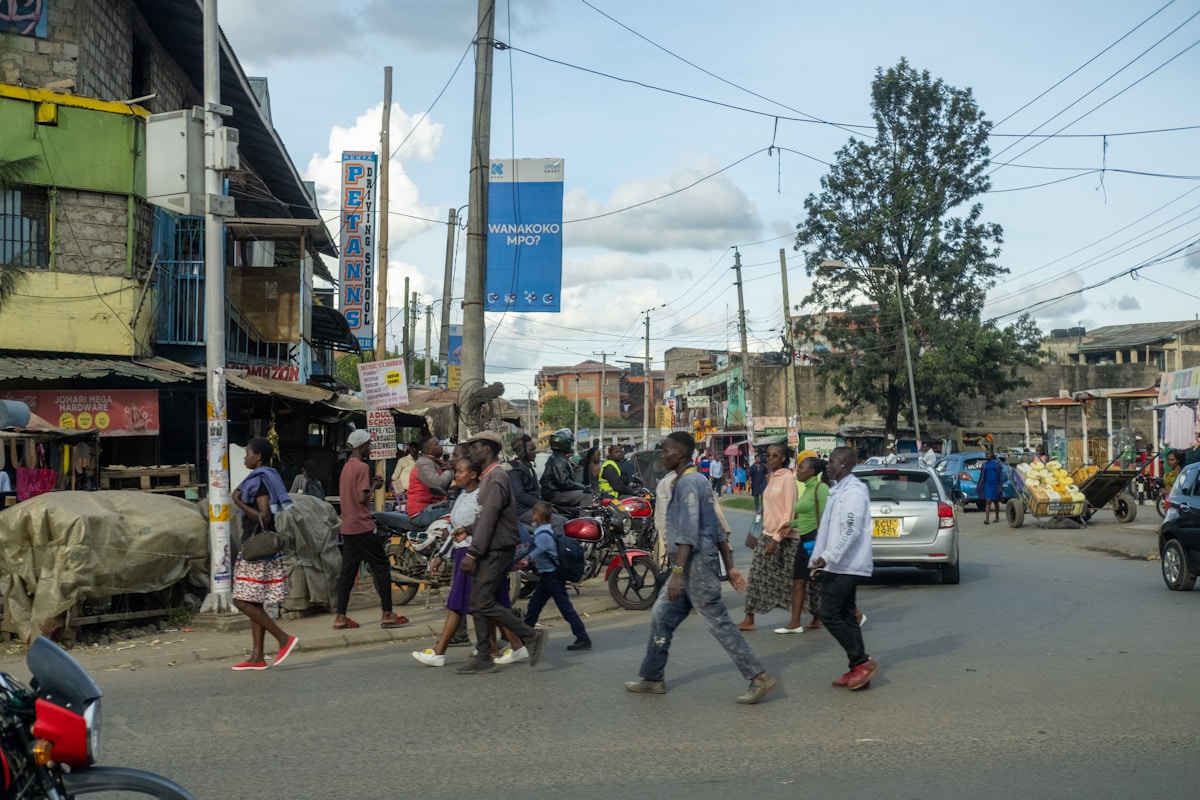
Kenya is broadly safe to travel with proper preparation. The country has good private medical facilities in Nairobi and Mombasa, but healthcare in rural areas and game parks is limited. Getting vaccinations and prophylactics right before you travel - and carrying appropriate insurance - prevents the small number of health risks that do affect travellers.
Yellow Fever: A Legal Entry Requirement
Yellow fever vaccination is not optional for many travellers entering Kenya. If you are arriving from or transiting through a country with risk of yellow fever transmission, Kenya’s immigration regulations require a valid International Certificate of Vaccination or Prophylaxis (ICVP) - commonly called the yellow card.
The list of countries triggering this requirement is maintained by the WHO and Kenya’s Port Health Services. It includes large parts of sub-Saharan Africa and South America. Even if your origin country is not on the required list, Kenya’s health authorities recommend the vaccine for all visitors.
Practical consequences: Airlines can deny boarding if you lack documentation. Kenyan immigration can detain or refuse entry. Carry the yellow card with your passport.
The vaccine: A single dose of yellow fever vaccine provides lifelong immunity - boosters are no longer required under WHO guidelines (updated 2016). Allow at least 10 days before travel for the vaccine to provide full protection. Obtain it from a licensed yellow fever vaccination centre, as only their certificates are internationally accepted.
Medical contraindications: The yellow fever vaccine is a live attenuated virus and is not suitable for infants under 9 months, pregnant women, or severely immunocompromised individuals. If you cannot receive the vaccine for medical reasons, obtain a medical waiver letter from a licensed travel health clinic - this may satisfy immigration, but is not guaranteed to be accepted.
Malaria
Malaria is present in Kenya and is the most significant health risk for most travellers.
Risk Zones
| Area | Risk Level | Notes |
|---|---|---|
| Coast (Mombasa, Diani, Malindi, Lamu) | High, year-round | Anopheles mosquito density highest here |
| Western Kenya (Kisumu, Lake Victoria) | High, year-round | Highest burden of malaria in Kenya |
| Safari parks (Masai Mara, Tsavo, Amboseli, Samburu) | Moderate to high | Seasonal variation; long grass increases exposure |
| Nairobi city (1,600m elevation) | Low | Altitude inhibits mosquito breeding |
| Mount Kenya / highlands above 2,500m | Very low | Cold temperatures limit transmission |
Prophylaxis Options
Consult a GP or travel health clinic at least 6–8 weeks before departure - some prophylactics require a starter period. The main options as of 2026:
Atovaquone/proguanil (Malarone) - Taken daily, starting 1–2 days before entry and for 7 days after leaving a risk area. Well-tolerated by most people, minimal side effects, but more expensive than alternatives. Suitable for most Kenya itineraries.
Doxycycline - Antibiotic taken daily, starting 1–2 days before entry and for 28 days after. Cheap and widely available. Side effects include photosensitivity (avoid prolonged sun exposure) and gastrointestinal discomfort if taken without food. Not suitable for children under 8 or pregnant women.
Mefloquine (Lariam) - Weekly tablet, started 2–3 weeks before entry. Effective but associated with neuropsychiatric side effects in some individuals (vivid dreams, mood changes). Less commonly prescribed as first choice since alternatives became available.
Prevention Alongside Tablets
Prophylaxis is not 100% effective - combine it with physical barriers:
- DEET-based insect repellent (30–50% concentration) applied to exposed skin from dusk to dawn
- Long sleeves and trousers from late afternoon
- Permethrin-treated clothing for extended safari travel
- Accommodation with intact window screens or air conditioning; use mosquito nets if provided
Search hotels in Kenya on Booking.com
Recommended Vaccinations
Beyond yellow fever, standard travel vaccines recommended for Kenya include:
Hepatitis A - Transmitted via contaminated food and water. A course of two doses provides protection for approximately 20–25 years. Widely recommended for all Kenya travel.
Typhoid - Risk is present throughout Kenya, particularly in areas with lower sanitation standards. Injectable typhoid vaccine provides approximately 2–3 years of protection; oral Ty21a provides 5 years. Recommended for all visitors, especially those eating at local restaurants or street food stalls.
Hepatitis B - Recommended for anyone with potential exposure to blood or bodily fluids - healthcare workers, long-stay travellers, or those who might access medical treatment abroad. A standard three-dose course provides long-term protection.
Rabies - Kenya has a significant stray dog population in urban areas, and rabies is present in wildlife. Pre-exposure rabies vaccination (three doses over 3–4 weeks) is strongly recommended for wildlife workers, long-stay travellers, and anyone visiting remote areas far from good medical facilities. It does not eliminate the need for post-exposure treatment, but it buys time and simplifies the post-bite protocol.
Tetanus, Diphtheria, Polio (Td/IPV) - Ensure your routine vaccinations are up to date before travelling anywhere internationally, including Kenya.
Meningococcal meningitis - Consider if travelling during the dry season or to densely populated areas.
Water and Food Safety
Tap water in Kenya is not safe to drink without treatment. Use bottled water, water purified with chlorine tablets, or a SteriPen-type UV purifier for drinking and brushing teeth. Ice in lower-budget establishments may be made from tap water.
Avoid raw salads, peeled fruit you haven’t peeled yourself, and undercooked meat in lower-hygiene settings. Well-run safari lodges maintain high food preparation standards; street food carries higher risk.
Travel Insurance for Kenya
A travel insurance policy for Kenya must include:
Medical evacuation (medevac): Cover of at least USD 100,000 for emergency evacuation is essential. A medevac helicopter from the Masai Mara to Nairobi Hospital costs approximately USD 5,000–15,000 as of 2026; a fixed-wing flight from a remote area is similar. Standard European or domestic policies may not cover this.
Inpatient medical expenses: Private hospital care in Nairobi costs significantly less than in the UK or USA but can still reach tens of thousands of dollars for serious illness. Cover of at least USD 200,000 is sensible.
Safari-specific activities: If your itinerary includes hot-air balloon rides, walking safaris, or white-water rafting, verify your policy’s adventure activities exclusions before purchasing.
Recommended providers: World Nomads (widely available internationally), True Traveller (UK-based, good African coverage), and Battleface (good for high-risk itineraries) offer policies suitable for Kenya as of 2026. Always read the exclusions section, not just the headline cover amount. Compare Kenya travel insurance options to find a policy that includes medevac and safari activities.
Medical Facilities in Nairobi
Nairobi has several private hospitals with international-standard facilities. Most are in the Westlands and Upper Hill areas:
Aga Khan University Hospital - Karen Road, Parklands. Widely regarded as one of Nairobi’s best-equipped private hospitals. Offers a 24-hour accident and emergency department. Tel: +254 (0)20 366 2000.
Nairobi Hospital - Argwings Kodhek Road, Upperhill. Large referral hospital with good specialist coverage including tropical medicine. Tel: +254 (0)20 284 5000.
MP Shah Hospital - Shivachi Road, Parklands. Good reputation for emergency care. Tel: +254 (0)20 375 2222.
Karen Hospital - Karen Road (south Nairobi). Useful if staying in Karen or Langata. Tel: +254 (0)20 661 2000.
All four have relationships with AMREF Flying Doctors (the main medical evacuation service in East Africa). AMREF membership, approximately USD 25–50 per year as of 2026, covers evacuation within East Africa and is worth purchasing for any safari itinerary. Bookable at amrefhealthafrica.org.
Medical Facilities in Mombasa
Aga Khan Hospital Mombasa - Vanga Road, Tudor. The main private referral facility on the coast. Tel: +254 (0)41 222 7710.
Mombasa Hospital - Mama Ngina Drive. Older facility but centrally located. Tel: +254 (0)41 231 2190.
Coast-based travellers with serious medical needs are typically stabilised locally and transferred to Nairobi if specialist care is required.
Altitude
Nairobi sits at approximately 1,600m above sea level. Most visitors notice no effect. Trekkers ascending Mount Kenya (up to 5,199m) face genuine altitude sickness risk above 3,000m - acute mountain sickness, and in extreme cases HAPE or HACE. Ascend slowly, allow adequate acclimatisation days on multi-day routes, and carry acetazolamide (Diamox) as a preventive if your guide or doctor recommends it.
Summary Checklist
Before departing for Kenya:
- Yellow fever vaccination with ICVP documentation (if required for your route)
- Malaria prophylaxis course started (prescribed 6–8 weeks ahead)
- Hepatitis A and typhoid vaccination
- Rabies pre-exposure course if spending time in wildlife areas
- Routine vaccines up to date (tetanus, diphtheria, polio)
- Travel insurance with medevac cover (minimum USD 100,000)
- AMREF Flying Doctors membership if on safari itinerary
- DEET repellent (30–50%) packed
- Oral rehydration salts and antidiarrhoeals for self-treatment
For general trip planning, see our first-time Kenya guide and Kenya packing list. Our Kenya travel insurance guide covers medevac and emergency evacuation policies. For understanding malaria risk zones, see our Samburu guide (high risk) and Nairobi city guide (low risk due to altitude).
Plan Your Trip
✈️ Book your flights to Kenya 🛡️ Get travel insurance 📱 Stay connected with an eSIM 🚗 Rent a car