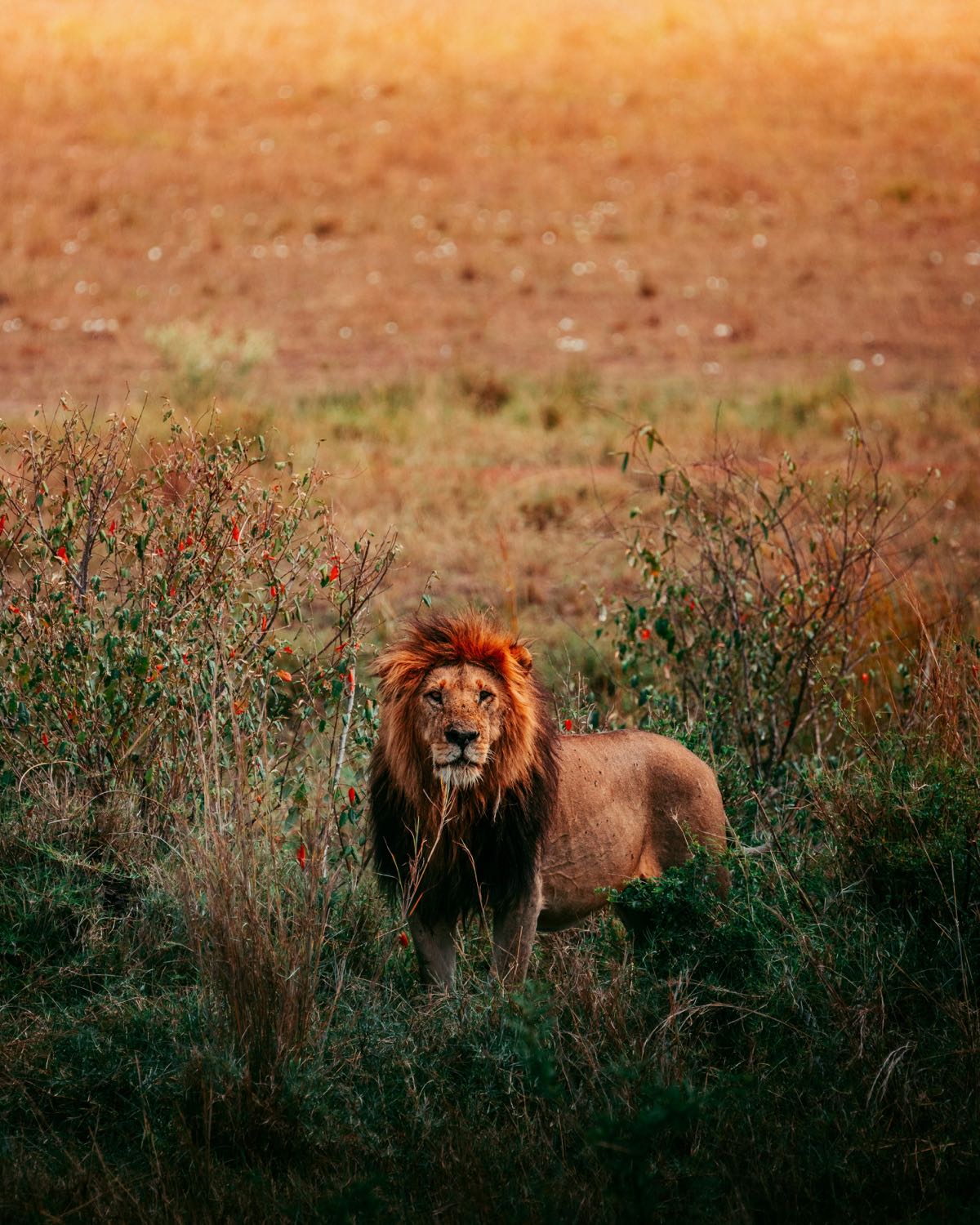
Kenya is one of the world’s premier safari destinations, with a national park and reserve network covering over 8% of the country’s land area. The combination of landscapes - savanna, mountain forest, semi-arid north, coral coast - means Kenya offers a different safari character depending on where you go.
This guide covers how to plan a Kenya safari from scratch: choosing parks, timing your visit, setting a budget, and deciding between self-drive and guided options.
Choosing Your Parks
For First-Timers
Masai Mara + Amboseli is the classic Kenya combination - and for good reason. The Mara delivers the broadest wildlife diversity and the highest chance of seeing all Big Five plus cheetah. Amboseli adds Kilimanjaro views and Africa’s most approachable elephant herds. Together: 10–12 days.
Masai Mara alone works well for a shorter 5–7 day trip focused on maximum wildlife density.
For Wildlife Enthusiasts on Return Visits
Samburu - the Samburu Special Five species are found nowhere else in Kenya. Pairs with Ol Pejeta (rhinos) for a northern circuit.
Tsavo East + West - Kenya’s largest wilderness, red elephants, much less crowded than the Mara. A strong choice for those wanting to avoid peak-season crowds.
Aberdare + Mount Kenya - highland forest wildlife, completely different ecosystem from the savanna parks.
For Specific Wildlife
| Target Species | Best Park |
|---|---|
| Big Migration river crossings | Masai Mara (Jul–Sep) |
| Elephants (close approaches) | Amboseli |
| Rhinos (black and white) | Ol Pejeta Conservancy |
| Grevy’s zebra + reticulated giraffe | Samburu |
| Flamingos | Lake Bogoria or Lake Nakuru |
| Cheetah | Masai Mara |
| Marine wildlife + whale sharks | Watamu (Oct–Mar) |
When to Go
Peak Season: July–October
The Great Migration river crossings peak in July–September - wildebeest and zebra cross the Mara River in herds of thousands, with crocodiles waiting in the water. This is Kenya’s most-visited season. Lodges charge peak rates (add 20–50% to standard prices). Book 6–12 months ahead for Mara accommodation.
Search hotels in Kenya on Booking.com
Wildlife viewing: Excellent everywhere - dry conditions concentrate animals at water sources.
Shoulder: November–December and June
Quieter than peak, good game viewing, lodge prices 10–20% lower. The short rains (October–November) bring green grass and newborn animals. December sees some crowd build-up for Christmas holidays. For full detail on shoulder conditions, see our guides to visiting Kenya in November, visiting Kenya in December, and visiting Kenya in June.
Low Season: March–May
Long rains. Some roads in the Mara become impassable without serious 4WD and recovery equipment. Prices drop significantly - budget camps sometimes cut rates by 40%. Wildlife still present but dispersed; the landscape is vivid green. Worth considering for experienced safari travellers on tighter budgets. See our guides to visiting Kenya in March, visiting Kenya in April, and visiting Kenya in May for road conditions and availability.
Best Months: January–February
Often the best-value time for a Kenya safari - dry season, good game viewing, fewer tourists than July–October. Kilimanjaro is frequently clear in January. No migration crossings but resident wildlife is excellent. See our guides to visiting Kenya in January and visiting Kenya in February for pricing and booking tips specific to this window.
Budget Guide (Per Person Per Day, All-In)
These figures include park entry, accommodation, meals, and game drives unless noted otherwise.
| Budget Level | Cost | What You Get |
|---|---|---|
| Budget | USD 100–150 | Public campsite, self-catering or basic lodge restaurant, self-drive or budget operator |
| Mid-range | USD 250–400 | Tented camp, guided game drives twice daily, full board |
| Upmarket | USD 400–700 | Private tented camp, exclusive conservancy access, all activities |
| Luxury | USD 700–1,500+ | Private lodge, private vehicle, premium conservancy |
Park entry fees (non-resident adults, 2026):
- Masai Mara: approximately USD 80/day (Narok County Conservancy rate)
- Amboseli, Nakuru, Samburu: approximately USD 60/day
- Tsavo East and West: approximately USD 52/day
- Hell’s Gate: approximately USD 26/day
Key budget items to calculate separately:
- Nairobi–park transport: USD 80–200 one way by road transfer; USD 150–350 by charter flight
- Car hire (4WD, Nairobi): approximately USD 80–150/day plus fuel
- Visa: USD 50 (eVisa required for most nationalities, see immigration.ecitizen.go.ke)
Self-Drive vs. Guided Safari
Self-Drive
Pros: Flexibility to stop where you choose, lower daily cost, more independent experience.
Cons: Miss most wildlife that a trained guide would spot. Navigating bush tracks without knowledge of animal behaviour reduces sighting rate significantly. 4WD required in many parks.
Practical for: Tsavo (well-maintained tracks), Lake Nakuru, Hell’s Gate, Amboseli (flat terrain). Less advisable in the Maasai Mara without prior experience.
Vehicle: Book a Toyota Land Cruiser with high clearance, a spare tyre, and a jerry can. Many hire companies in Nairobi offer safari-configured vehicles: Budget Car Hire, Avis Kenya, and independent 4WD operators (approximately USD 100–150/day).
Guided Safari (Day Operator or Lodge-Based)
Pros: Expert wildlife identification and tracking. Knowledge of animal locations and behaviour. Safety in unfamiliar areas. Far higher sighting rates.
Cons: Higher cost. Less flexibility on timing (shared game drives often fixed at 6am and 4pm).
Types:
- Lodge/camp-based game drives: Included in accommodation rates at most tented camps. Vehicle shared with 4–6 guests from the same lodge.
- Day operators from Nairobi: Drive out to a park for one or two days. Higher cost per day but no multi-night commitment.
- Mobile camping operators: Full itinerary, camping equipment, cook, guide. More flexible geography. Mid-range cost.
Private Guide
A private guide hired for a vehicle gives the best wildlife experience - stops where you choose, adjusts pace, provides detailed species knowledge. Cost: approximately USD 100–200/day extra. Worth it for serious wildlife enthusiasts or photographers.
Booking Tips
Book Mara accommodation 6–12 months ahead for July–September stays. Popular tented camps sell out. If your dates are flexible or you’re booking within the week, our last-minute Kenya tours page tracks recently released game drive and hot-air balloon spots with availability updated twice daily.
Conservancies vs. National Reserve: The Maasai Mara is flanked by private conservancies (Olare Motorogi, Naboisho, Mara North, etc.) - these have exclusive game drive areas (fewer vehicles per sighting), walking safaris, and night drives, all of which are not permitted inside the National Reserve itself. Conservancy camps are 20–40% more expensive but the wildlife experience is superior.
Check flight options: Charter flights from Nairobi Wilson Airport are faster and less tiring than long road transfers. For the Mara (45-minute flight vs. 6-hour drive) and Samburu (1-hour vs. 5-hour drive), flying is worth the additional cost for trips under two weeks.
Visas: Kenya’s eVisa system (immigration.ecitizen.go.ke) is reliable. Apply at least two weeks before travel. USD 50 single entry. Some nationalities are exempt - check the official list. See our Kenya visa guide for full details including current exemption list and application process.
Safari Operators Worth Knowing
Kenya has hundreds of safari operators ranging from excellent to fraudulent. For a reliable starting point, vetted Masai Mara safari tours and broader Kenya safari packages can be compared online. Some established options:
Budget to mid-range: Pollman’s Tours, Kenya Comfort Hotels (budget), Acacia Africa
Mid-range to upmarket: &Beyond, Asilia Africa, Governors’ Camp Collection, Ol Pejeta Bush Camp
For private conservancy experiences: Angama Mara (Mara), Ol Seki Camp (Naboisho), Mahali Mzuri (Mara North, Richard Branson’s camp)
Booking through a specialist: For first-time Kenya visitors, a specialist travel agent (Africa travel specialist, not a generalist OTA) adds significant value in itinerary design and troubleshooting.
Health and Practical Notes
Malaria: Kenya is a malaria zone, including Nairobi (lower risk but not zero). Prophylaxis recommended for all safari areas. Consult a travel health clinic 4–6 weeks before departure. See our Kenya health and vaccinations guide for full details.
Altitude: Nairobi sits at 1,700m. Mount Kenya and Aberdare can exceed 4,000m. Allow acclimatisation time if trekking.
Currency: Kenyan Shilling (KES). Major lodges accept USD and cards; carry KES for local purchases, tips, and small operators. ATMs are reliable in Nairobi, Mombasa, and Nakuru.
Tipping: Standard practice at all lodges - approximately USD 5–10/day/person for guides, USD 3–5/day for camp staff. Ask lodges for their recommended tipping protocol.
Vaccinations: Yellow fever certificate required if arriving from a yellow fever-endemic country. Hepatitis A, Typhoid recommended. Rabies for longer stays.
Comparing Kenya with other safari destinations? See Kenya vs Tanzania and Kenya vs South Africa for an honest comparison of what each country offers.
Wondering which Kenya park is right for you? Read our Big Five Kenya guide for a rundown of where to find each of the Big Five across the country’s national parks.
For a park-by-park breakdown, see our Masai Mara guide, Amboseli guide, Tsavo guide, and Samburu guide. Our best safari lodges Kenya guide covers accommodation at all budget levels across these parks.