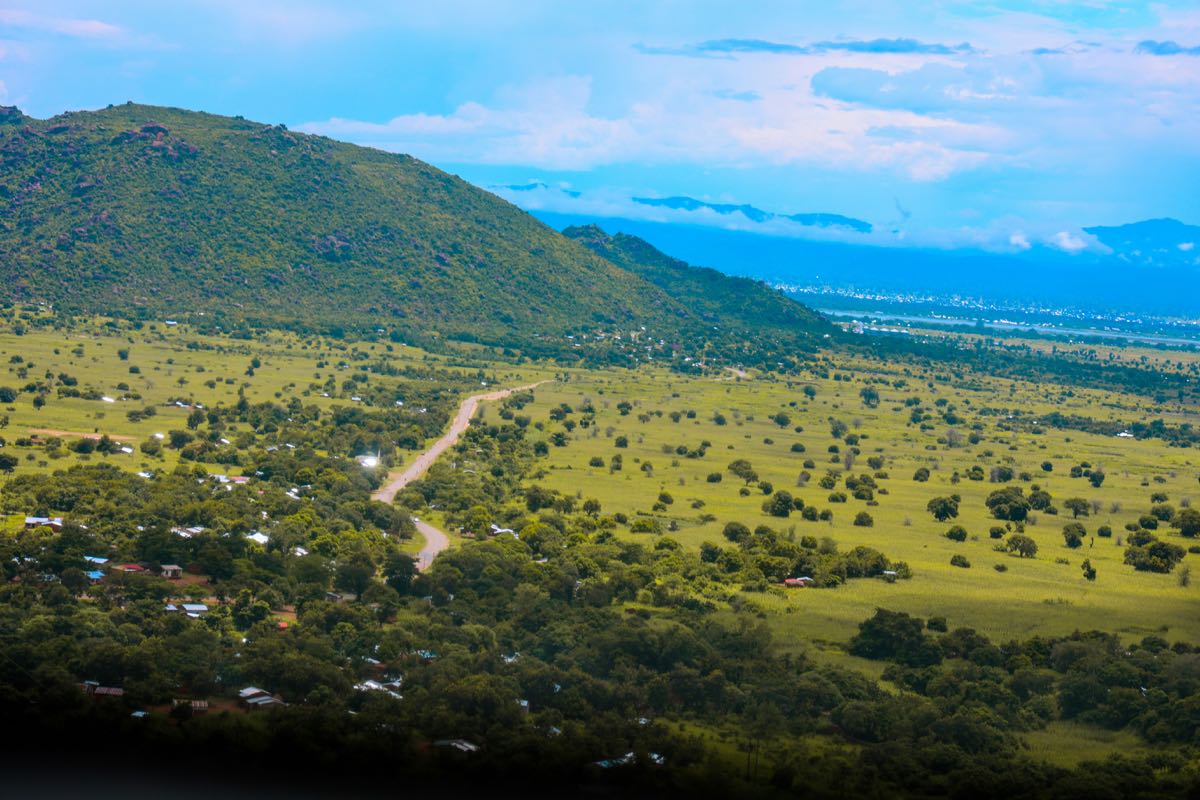
May is Kenya’s cheapest month and the tail end of the long rains. Early May continues the wet conditions of April; the rains typically ease by late May in most regions. The parks are very quiet, prices are at their lowest, and the landscape is at its greenest.
Long Rains Taper Late Month: Still Heavy on the Coast, Easing Inland
| Region | Avg High | Avg Low | Rainfall | Notes |
|---|---|---|---|---|
| Nairobi | 23°C | 13°C | 175mm | Rains reduce through the month |
| Masai Mara | 25°C | 13°C | 170mm | Rains easing by late May |
| Amboseli | 27°C | 15°C | 130mm | Wet early; drying late May |
| Samburu | 30°C | 17°C | 70mm | Manageable; less wet than south |
| Kenya Coast | 29°C | 22°C | 300mm | Peak coast rainfall; beach conditions poor |
| Mount Kenya (base) | 17°C | 9°C | 175mm | Not recommended for trekking |
Dispersed Herds, Juvenile Grazers, and Active Predator Families
May continues the calving season conditions of April - wildlife is more dispersed as temporary water sources proliferate across the wet landscape, but the Mara’s resident grazer population is at a specific life-stage that rewards attention. The long grass makes spotting harder, but the concentration of young animals means predator-prey interactions remain frequent.
Thomson’s gazelle (May): Fawns born in January–February are now 3–4 months old and beginning to resemble adults - the spotted juvenile coat is fading, legs are longer, and they move confidently within the herd. The Mara’s resident population of approximately 30,000 Thomson’s gazelle is dispersed across the ecosystem in May but reliably encountered on open-plains game drives. Cheetah continue to target the young-of-year cohort.
Impala (May): Lambs born in February–March are now 6–10 weeks old - small but increasingly mobile and integrated into nursery herds. Female impala with lambs tend to use thicker bush margins during the rains, making them harder to spot than in the dry season, but the Mara’s approximately 30,000 resident impala remain present year-round. Leopard activity near impala nurseries is reliable in the Mara River woodland.
Burchell’s zebra (May): Plains zebra foaling peaks in April–May following improved nutrition from fresh grass growth. May game drives regularly encounter very young foals - some less than a week old - in distinctive brown-striped juvenile colouration. The resident zebra population of approximately 80,000 animals ensures foals are visible on most drives. Spotted hyena predation on foals is at its highest in May as the hyena clans follow the foal cohort through this vulnerable period.
Predator families: Female cheetahs that gave birth in February–March now have 2–3-month-old cubs starting to accompany their mothers on hunts. May’s high prey availability - young animals across all four grazer species - makes this one of the best months to observe cheetah family hunting behaviour in the Mara Triangle and Olare Motorogi conservancy.
Birdwatching: May is productive for birdwatching - migratory species are still present (or passing through on their return north), breeding plumage is on display across resident weavers and sunbirds, and the lush vegetation brings high insect density supporting large bird populations. As the rains ease from late May, wading birds concentrate at receding pools.
As the rains ease, animals begin to reconcentrate slightly as some temporary water sources dry up.
The Coast in May
The Kenya coast receives some of its highest rainfall in May. Beach conditions are typically poor - rough seas, overcast skies, high humidity. Most international beach tourists avoid May. Watamu and Diani see low occupancy.
However: Lamu is somewhat sheltered and remains atmospheric even in the rains.
Samburu as a May Alternative
Samburu’s northern location means it receives less rainfall than the Mara, Amboseli, and the coast during May. May is a reasonable time to visit Samburu - the roads stay more passable, wildlife is concentrated at the river, and the lodge rates are at green season lows.
Search hotels in Kenya on Booking.com
Kenya’s Cheapest Month: 40–60% Below Peak with Near-Empty Parks
May is typically Kenya’s lowest price month:
- Major Mara lodges: 40–60% below peak rates
- Some smaller camps remain closed through May (reopening June 1)
- Very few international tourists - essentially empty parks
Should You Visit in May?
Yes if: Budget is a primary consideration and you accept rain, possible road challenges, and dispersed wildlife as trade-offs for very low prices and empty parks.
No if: This is your primary Kenya trip and you want optimal conditions.
Late May (last 10 days): The rains begin to ease. Conditions improve noticeably. Late May can be a good low-cost window as conditions begin to improve but prices have not yet jumped for the June/July peak.
Where to Go in May
Best choice: Samburu - consistently the best park to visit during the long rains. Less rainfall than the south, the Ewaso Ng’iro River keeps wildlife concentrated, roads are more passable, and the green landscape is beautiful without the extreme mud of the Mara. Low prices with above-average conditions. Browse Kenya safari tours for Samburu itineraries at green-season rates.
Late May only: Masai Mara - from around May 20 the rains begin to ease and the Mara becomes more viable. The grass is vividly green and the landscape beautiful. Plan only the last week or 10 days of May in the Mara.
Avoid in May: Kenya coast - May is the wettest month on the coast. Beach conditions are poor. Defer the coast to October or December.
Recommended Lodges for May: Samburu and Late-Month Mara
Samburu (best May choice):
- Samburu Sopa Lodge - 60-room mid-range lodge on the southern bank of the Ewaso Ng’iro River. Green season rates in May are significantly below peak, and the riverside position keeps wildlife viewing strong despite the rains. Rates approximately USD 150–220/person/night full board, May green season. Search availability at Samburu Sopa Lodge
- Elephant Bedroom Camp - 12-tent intimate camp on the river, excellent for elephants and the Special Five. May rates are among the year’s lowest here. Rates approximately USD 350–500/person/night full board, May low season. Search availability at Elephant Bedroom Camp
Masai Mara (last 10 days of May only):
- Governors’ Camp - the original Mara camp sits directly on the Mara River in the most productive wildlife section of the National Reserve. May green season rates are 40–50% below the July peak, and the lush landscape makes for striking photography. Rates approximately USD 300–450/person/night full board, May shoulder rate. Search availability at Governors’ Camp
May Costs: Annual Low-Point Rates with a Late-Month Value Window
Safari costs (per person/night, full board) - green season rates:
- Budget tented camp, Masai Mara: approximately KES 8,000–15,000
- Mid-range lodge, Masai Mara: approximately KES 18,000–35,000
- Budget camp, Samburu: approximately KES 7,000–12,000
Nairobi costs:
- Budget guesthouse: approximately KES 2,000–4,000/night
- Mid-range hotel: approximately KES 7,000–13,000/night
- Meals (mid-range restaurant): approximately KES 700–1,400 per person
May represents the lowest prices of the entire Kenya safari calendar - typically 40–60% below July peak.
What to Pack: Full Waterproofs Through Early May, Lighter Layers as Rains Ease
- Full waterproofs (jacket and trousers) - essential for early May
- Waterproof hiking boots or sealed trail shoes
- Light layers - daytime temperatures are mild (23–27°C) but humid
- Insect repellent (malaria risk higher during rains - take antimalarials as recommended)
- Dry bags for electronics and camera equipment
FAQs
What is the cheapest time to visit Kenya? May is typically the cheapest month for safari accommodation - lodges are 40–60% below peak rates and park occupancy is minimal. April shares this distinction but May is the better choice as the rains ease later in the month.
Can I do a safari in May? Yes - Samburu is viable throughout May and the Masai Mara improves significantly in the last 10 days. Expect dispersed wildlife, beautiful green landscapes, and roads that require proper 4WD. May suits budget-conscious travellers and photographers who prefer dramatic, unusual conditions.
Why are some camps closed in May? Many smaller tented camps carry out annual maintenance (tent re-canvasing, road repairs, staff rotations) in April–May when occupancy is lowest. The larger, permanent lodges generally stay open year-round.
For the full monthly breakdown, see our best time to visit Kenya guide. Our Kenya budget guide covers how to maximise May’s low prices. Our Samburu wildlife guide and Masai Mara guide describe what to expect from these parks in May.
Plan Your Trip
May is Kenya’s cheapest month - Masai Mara lodges that charge USD 700/night in August can be booked for USD 200–300 in late May. The key is timing: target late May when the rains ease inland, and choose a camp with good 4WD access and a reputation for staying open through the green season. The coast (Diani, Watamu) is not ideal in May - peak coast rainfall makes beach conditions poor. Samburu is the smarter choice: less rain, good roads, reliable wildlife. Book flights to Nairobi and travel insurance with full medical cover. An eSIM handles connectivity; self-drive car hire only in late May when roads have firmed up.