Expect 26-28°C days in Nairobi and the Masai Mara, just 30-40mm of rain, and 31°C at Amboseli. February is excellent for Kenya - dry, warm, and with the best Kilimanjaro visibility of the year. It is a quiet month for tourism (between the Christmas/January visitors and the Easter surge), which means good lodge availability and reasonable prices.
Search hotels in Kenya on Booking.com
February is the sunniest coast month; see the Kenya winter sun guide 2026-27 for the full comparison.
Driest Month of the Year: Peak Kilimanjaro Clarity and Warm Samburu Days
| Region | Avg High | Avg Low | Rainfall | Notes |
|---|---|---|---|---|
| Nairobi | 26°C | 13°C | 40mm | Warm days, cool evenings |
| Masai Mara | 28°C | 16°C | 30mm | Dry, warm |
| Amboseli | 31°C | 17°C | 30mm | Hot; best month for Kilimanjaro clarity |
| Samburu | 33°C | 19°C | 20mm | Very hot and dry |
| Kenya Coast | 33°C | 24°C | 25mm | Peak dry season; calm seas |
| Mount Kenya (base) | 19°C | 9°C | 60mm | Some rain possible; summit very cold |
Kilimanjaro in February: February is statistically the clearest month for Kilimanjaro views from Amboseli. The mountain is most visible 6–9am. Cloud typically builds by 10–11am - book early morning game drives.
Elephant Calves at Amboseli and Cheetah Cubs in the Masai Mara
The dry conditions in February make game viewing excellent across all parks:
- All parks: Animals concentrate at permanent water sources - good for dense sightings
- Amboseli: Elephant calves born in the prior wet season are now young and active; combined with the clearest Kilimanjaro views, February is arguably Amboseli’s peak month
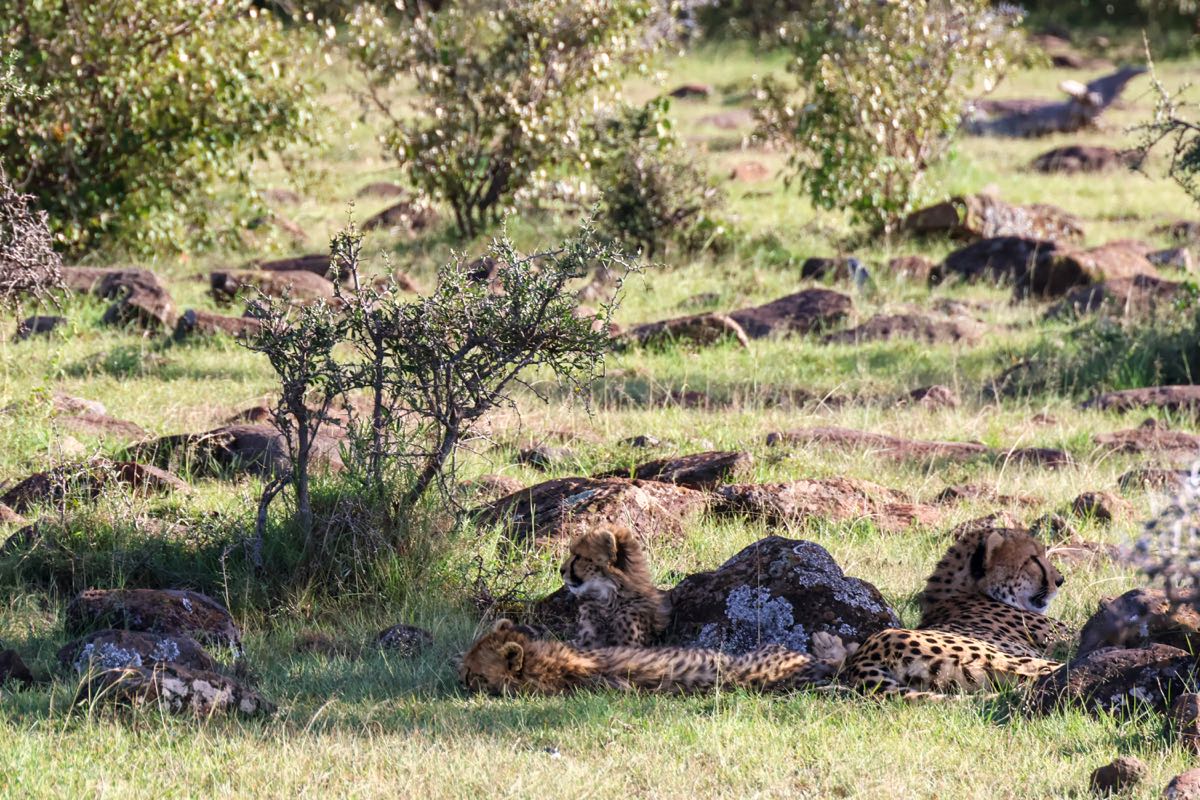
- Masai Mara: No migration crossings, but resident predators are active. Cheetah cubs from November–January births are visible with mothers
- Samburu: Grevy’s zebras and reticulated giraffes reliably seen at the river
Mara Marathon and Valentine’s Season Lodge Packages
- Maasai Mara Marathon (check current dates at wild-wilderness.org) - a run through the reserve
- Valentine’s season: Several Mara and coastal lodges run special packages
Quietest Safari Month: Best Availability and 60–80% of Peak Rates
February is one of the quietest months in Kenya’s safari circuit - good availability, some lodges offer discounts. The coast also has good availability.
Book: 3–6 weeks ahead is usually fine for February unless you have specific lodge requirements.
Last Month for Palearctic Migrants: Arabuko-Sokoke Endemics at Their Most Accessible
February sustains January’s peak bird diversity - most Palearctic migrants are still present before beginning the northward journey in March. February is among Kenya’s two or three best birdwatching months, combining dry-season visibility with peak species numbers.
Key birdwatching sites in February:
- Arabuko-Sokoke Forest (near Watamu): The clearest and hottest month of the coastal dry season makes the forest’s endemic birds easiest to locate. The Sokoke scops owl, Amani sunbird, and Sokoke pipit are all reliably found on guided morning walks. Local Kenya Bird Map (eBird-based) guides are available from the forest entrance.
- Masai Mara: February’s short grass makes ground-level species easy to spot. The kori bustard and Jackson’s widowbird (in breeding plumage from January) are both visible on standard game drives. Raptor diversity remains high - Eurasian migrants are still present through most of February.
- Lake Nakuru: The flamingo and pelican colonies peak in the dry season. The yellow fever woodland surrounding the lake holds the white rhino population alongside the birds. A combined wildlife and birdwatching trip here is very efficient.
- Kakamega Forest (Western Kenya): Kenya’s only tropical rainforest is excellent year-round, but February’s drier conditions make walking in the forest more comfortable. Species found nowhere else in East Africa include the blue-headed bee-eater and Turner’s eremomela.
Calving Season in the Masai Mara Ecosystem
February marks the peak and tail end of wildebeest calving in Tanzania’s Serengeti - particularly the Ndutu and Kusini areas. While the main calving herds are in Tanzania, the ecological significance flows northward into Kenya’s Masai Mara in several ways:
- Resident topi calving in the Mara: Topi antelope in the Masai Mara calve in January–February. Topi are territorial and highly visible - February is the best month to see very young topi calves alongside their mothers in the Mara. The Mara Triangle’s open short-grass plains support a high topi density, and calves are on their feet within the first hour of birth.
- Thomson’s gazelle fawning in the Mara: Thomson’s gazelle in the Mara ecosystem calve in a compressed burst through January and February. By mid-February you will find young fawns - small, brown-spotted, barely knee-height - in the short grassland. Cheetah and black-backed jackal specifically target these fawns; a February game drive often yields a cheetah hunt on open ground with a Thomson’s gazelle fawn as the quarry. Approximately 30,000 Thomson’s gazelle are resident year-round in the Mara ecosystem.
- Impala lambs: February–March is the core impala calving season in the Masai Mara National Reserve. Female impala form nursery groups and birth their single lambs in this period. Impala are the primary prey species for leopard in the reserve - and with young lambs present, leopard activity near impala herds is at its most intense in February. The Masai Mara National Reserve’s resident impala population is estimated at approximately 30,000, meaning lambs are encountered on almost every game drive in late February.
- Zebra foals: Burchell’s zebra foal year-round in the Mara ecosystem, with a modest pulse of births in January–February. February foals are distinctive - brown-striped rather than the adult black-and-white, and significantly smaller. A foal 2–4 weeks old can run at full zebra speed but stays close to the mother within the family unit. The Mara’s resident zebra population (approximately 80,000) ensures regular foal sightings.
- Predator activity: February sees intense predator activity in the Mara. Cheetah cubs born in October–November (now 3–4 months old) are becoming independent hunters. Lion prides have been feeding well through the dry season. The short grass makes locating kills - and the predators at them - straightforward.
- Tanzania extension: Visitors wishing to see the wildebeest calving can add 2–3 nights at Ndutu (inside Ngorongoro Conservation Area) to a Kenya trip. The Namanga border crossing connects Nairobi to Ndutu in approximately 7 hours by road, or there are charter flights from Wilson Airport.
Browse Masai Mara safari tours for guided itineraries covering February’s resident predator and calving activity.
Top Experiences: Amboseli Photography, Whale Sharks, and Diani Beach
- Amboseli for Kilimanjaro photography - statistically the clearest month
- Whale shark trips from Watamu or Diani (season runs October–March)
- Diani Beach - the calmer pre-monsoon Indian Ocean at its best
- Samburu game drives - hot, dry, animals reliably at the river
- Mount Kenya trekking - February is good for the lower routes before the March rains
- Arabuko-Sokoke Forest birdwatching - peak dry-season access to coastal endemics
- Masai Mara predator drives - young cheetah cubs, resident lion prides in short grass
Best Parks in February: Amboseli for the Mountain, Samburu for the River
First choice: Amboseli - for elephant families, Kilimanjaro clarity, and the dry-season landscape. Book early-morning game drives (6–9am) for the best mountain visibility. Browse Amboseli tours for guided day and multi-day options.
Second choice: Samburu - the dry, hot conditions concentrate wildlife at the Ewaso Ng’iro River. Grevy’s zebra, reticulated giraffe, Beisa oryx, gerenuk, and Somali ostrich - the Samburu Special Five - are reliably seen from the riverbanks. See Samburu safari tours for guided options.
Coast option: Diani Beach - February is part of the peak coast season. Clear skies, warm Indian Ocean, good snorkelling visibility, and the whale shark season still running. Prices are relatively high (peak season) but conditions are excellent.
Recommended Lodges for February: Amboseli, Samburu, and Diani
Amboseli:
- Tortilis Camp - February is arguably Tortilis’s finest month: the clearest Kilimanjaro mornings coincide with impala lambing season in the surrounding bush. Twelve ensuite tented cottages, excellent wildlife frontage. Rates approximately USD 450–650/person/night full board. Search availability at Tortilis Camp
- Kibo Safari Camp - good value Amboseli option with 40 tents and reliable Kilimanjaro views from the camp’s common areas. February is a strong month here as dry conditions keep dust down. Rates approximately USD 180–280/person/night full board. Search availability at Kibo Safari Camp
Samburu:
- Elephant Bedroom Camp - intimate 12-tent camp on the Ewaso Ng’iro, known for its elephant population that moves through the camp grounds. February hot and dry conditions concentrate elephants and the Special Five at the river immediately below camp. Rates approximately USD 450–650/person/night full board. Search availability at Elephant Bedroom Camp
Diani Coast:
- AfroChic Diani - 10-room boutique hotel on the main Diani beach strip, with direct ocean access and a strong reputation for water sports and whale shark trip organisation. February is peak beach season. Rates approximately USD 250–400/night room only. Search availability at AfroChic Diani
February Costs: Below-Peak Safari Rates Before the Easter Surge
Safari costs (per person/night, full board, Masai Mara or Amboseli):
- Budget tented camp: approximately KES 12,000–20,000
- Mid-range lodge: approximately KES 25,000–50,000
- Luxury conservancy: approximately USD 400–700
Nairobi costs:
- Budget guesthouse: approximately KES 2,500–5,000/night
- Mid-range hotel: approximately KES 8,000–18,000/night
- Restaurant mid-range: approximately KES 800–1,500 per person
February is mid-season pricing for most parks - below the July–August peak but above the April–June low season. Most lodges are 60–80% of their peak rate.
What to Pack: Dust Covers for Amboseli, Dawn Layers for the Mara, Sunscreen Everywhere
- Light, breathable clothing for warm afternoons (28–33°C in Amboseli and Samburu)
- Warm layer for early morning game drives (8–12°C in the Mara at 6am)
- High-SPF sunscreen - February UV intensity is very high
- Dust covers for cameras (Amboseli and Samburu are very dusty in February)
- Swimwear for the coast or any lodge pools
February vs Peak Season
February offers a genuine sweet spot: excellent conditions without July–August pricing. Expect lodges to run at 60–80% of peak-season rates. The Masai Mara in February is quieter than July but the predator population (lions, cheetahs, leopards) is identical. Lion prides are easier to find in February because the shorter grass makes locating kills straightforward. Cheetah cubs from November births are visible with their mothers, typically around 3 months old and increasingly active.
Booking window: A 3–6 week advance booking is sufficient for most February stays, compared to 3–6 months needed for July–August migration peak. Good camps with specific safari niches (Amboseli elephant specialists, Samburu remote lodges) book ahead, but general availability in February is good.
FAQs
Is February a good time to visit Kenya? Yes - among the best months. Dry conditions, excellent wildlife, reasonable (not peak) prices. The Kilimanjaro visibility from Amboseli is at its annual best.
Do I need a yellow fever vaccination for Kenya in February? Required only if arriving from a yellow fever endemic country. Check the current requirement list at the Kenya Ministry of Health website before travel.
For the full monthly breakdown, see our best time to visit Kenya guide. Our Amboseli National Park guide and Masai Mara safari guide cover the parks at their best in February. Our Kenya health and vaccinations guide covers yellow fever requirements in detail.
Plan Your Trip
February is statistically the clearest month for Kilimanjaro views from Amboseli - book Tortilis Camp or Kibo Safari Camp and set your alarm for the 6am game drive. Combine with Samburu for the Special Five at the Ewaso Ng’iro River, then finish at Diani Beach while the whale shark season is still running. Lodge availability is excellent and rates run 60–80% of the July peak - a rare combination of good conditions and low competition. Book flights and travel insurance 3–4 weeks out. Pick up an eSIM at Nairobi airport; a 4WD rental is worth it for Amboseli’s dusty roads in the dry season.