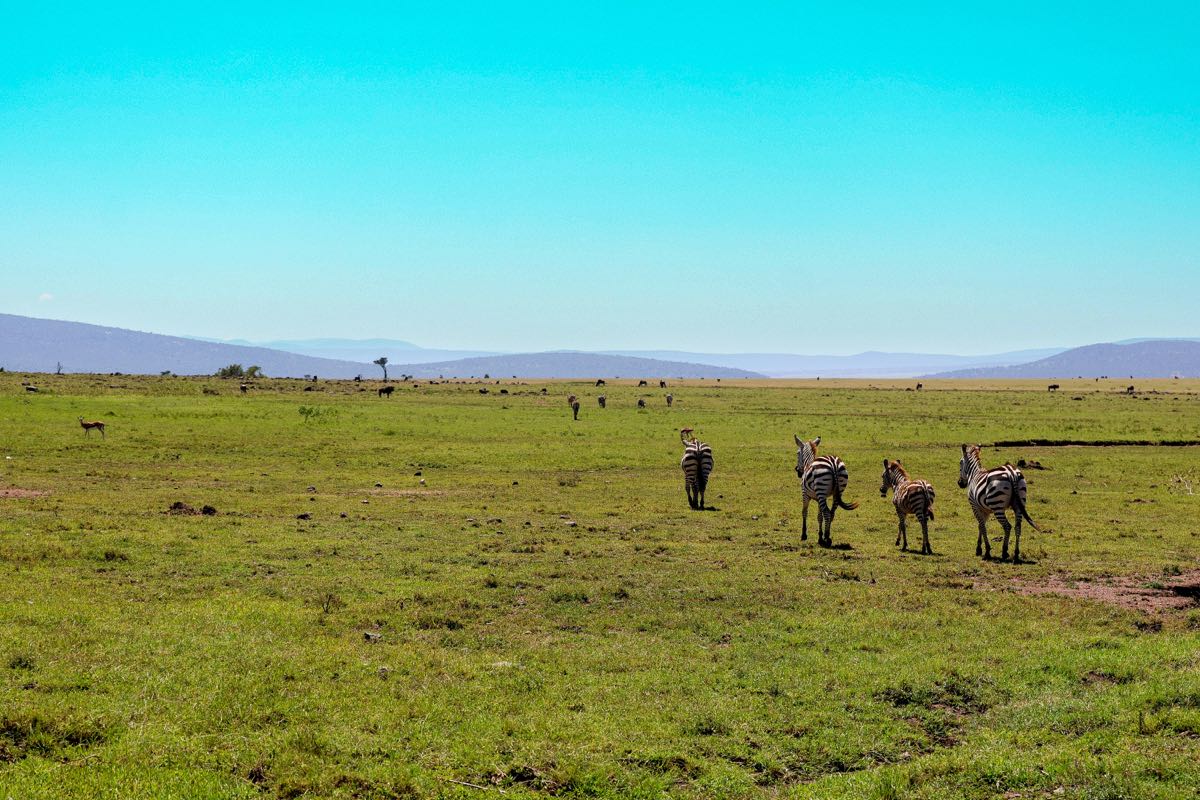
March offers two completely different Kenya experiences in the space of a fortnight. Early March delivers dry-season quality - concentrated wildlife, good roads, clear skies - at below-peak prices, as the post-Christmas crowds have gone and Easter visitors have not yet arrived. From mid-month, the long rains begin to arrive and the landscape transforms from dusty gold to vivid green. At the coast, March is the last reliable month of the whale shark season before the long rains make ocean conditions less predictable. The calving season begins in late March as rainfall triggers grass growth - zebra foals and wildebeest calves appear in the Mara. Book early March for dry-season value; book late March for green landscape and calving action at green-season prices.
Dry Season into Long Rains: A Reliable First Half, a Muddy Second
| Region | Avg High | Avg Low | Rainfall | Notes |
|---|---|---|---|---|
| Nairobi | 25°C | 14°C | 140mm | Rains arrive mid-month; afternoon showers |
| Masai Mara | 26°C | 15°C | 120mm | Landscape turns green; some muddy tracks |
| Amboseli | 29°C | 17°C | 120mm | Dusty early March; muddy later |
| Samburu | 32°C | 18°C | 60mm | Less rain than south; still good conditions |
| Kenya Coast | 32°C | 24°C | 60mm | Still good; rains arrive later than inland |
| Mount Kenya (base) | 18°C | 10°C | 150mm | Rains build; trekking conditions deteriorate |
March Wildlife & Seasonal Events Summary
| Event | Timing | Where |
|---|---|---|
| Whale shark season (final weeks) | March - ends roughly late March | Watamu, Diani (Chale Island) |
| Zebra foals appear | Late March | Masai Mara, Amboseli |
| Wildebeest calving begins in Mara | Late March–April | Masai Mara |
| Palearctic birds begin return north | March | All regions - peak diversity falls |
| Turtle nesting active | March | Watamu Marine Park |
| Long rains begin | Mid-to-late March | Most of Kenya |
| Green season lodge discounts begin | Mid-March | Masai Mara, Amboseli |
Calving Kicks Off: Zebra Foals First, Wildebeest Calves from Late March
Early March: Still in dry season conditions. Wildlife concentrates at water sources. Lion prides, elephant herds, and cheetah families are visible on standard game drives. This is dry-season game viewing at February quality without February’s price tag.
Late March: As the first rains arrive, the landscape transformation is fast - the Mara plains shift from dry dusty gold to vivid green within days. With the grass growth comes calving.
Zebra foals: Plains zebra calving peaks in late March and April - triggered by the improved nutrition that comes with fresh grass. Zebra foals are born a rich brown-striped colour rather than the classic black-and-white - new foals are distinctively coloured and frequently visible on Mara game drives from late March onwards.
Wildebeest calves: The Mara’s resident wildebeest population (smaller than the migration herd) begins calving from late March. Unlike the synchronised Serengeti calving event, Mara calving is more spread across the March–May period. Spotted hyena, cheetah, and jackal all respond quickly to the presence of newborns.
Calving and predators: The predator-prey dynamic in late March is excellent precisely because it is less photographed than July–August. Lion prides, well-fed from the long dry season, are alert and active. Female cheetahs with cubs begin hunting more aggressively as their young grow toward independence in April–May.
Resident Grazers in March: Nursery Groups, New Lambs, and the First Foals
March’s Masai Mara carries the same permanent resident population that underpins its year-round productivity - approximately 80,000 Burchell’s zebra, 30,000 Thomson’s gazelle, 30,000 impala, and 12,000 topi. In March all four species are in or entering a significant life-stage.
Thomson’s gazelle (March): Females from the January–February calving peak are raising 4–8-week-old fawns. These fawns move independently but remain close to their mothers and are still highly vulnerable - cheetah and black-backed jackal specifically target this age group. Early March game drives in the Mara Triangle regularly produce cheetah-fawn interactions on open short-grass terrain before the rains arrive and vegetation increases fawn cover.
Impala (March): Impala calving begins in February and peaks through March - the Mara’s population of approximately 30,000 impala means lambs are encountered on almost every game drive from mid-month. Female impala form nursery groups and drop single rust-coloured lambs in short grass or bush margins; the lambs can stand and run within hours of birth. Leopard activity near impala nursery groups is at its seasonal high in March.
Topi (March): Topi calves born in January–February are now 4–8 weeks old and increasingly fast alongside their mothers. Topi prefer open short-grass terrain and are highly conspicuous on Mara Triangle and Mara North Conservancy game drives. Adult males begin disputing territories in March ahead of the next breeding season.
Zebra (March): The first plains zebra foals of the season appear from late March as rainfall arrives and improved nutrition reaches pregnant mares. Foals are born a distinctive warm brown-striped colour - significantly smaller than their mothers and unable to match the herd’s full speed for the first two weeks. The Mara ecosystem’s approximately 80,000 resident zebra mean foal sightings are reliable from mid-month.
Last Chance for Whale Sharks: Watamu and Diani in March
The whale shark season at Watamu and around Chale Island near Diani runs October–March. March is reliably good for encounters - the Indian Ocean is warm and plankton-rich before the SE trade winds arrive in April–May to change conditions. By late March, the season begins to wind down and operators’ departure schedules become less consistent.
March is the final reliable month: If whale shark snorkelling is on your Kenya list and you are visiting in March, prioritise the first two weeks. Book through Local Ocean Conservation at Watamu or reputable dive operators at Diani. The crossing to Chale Island from Diani Beach takes approximately 15 minutes by boat.
Combine with Arabuko-Sokoke: The forest adjacent to Watamu holds some of Kenya’s rarest coastal endemics - the Sokoke scops owl, Clarke’s weaver, and Amani sunbird are best found on morning guided walks before a whale shark trip in the afternoon. March is still dry at the coast and forest access is good.
Browse Watamu tours for whale shark and snorkelling trips in March.
Road Conditions
Early March (days 1–14): Roads are in dry-season condition - generally excellent across all parks.
Late March (days 15–31): The Masai Mara’s black cotton soil roads become problematic in heavy rain - a 4WD is essential and some internal tracks may close. Amboseli and Samburu are less severely affected. Ask your lodge about current track conditions before each drive.
Shoulder Pricing from Mid-Month: Green Season Value Window
March is low-shoulder season - prices begin to drop from mid-month as the long rains approach. Lodges often apply green season rates from mid-March onward. This creates a good value window for budget-conscious travellers willing to accept some afternoon rain.
Search hotels in Kenya on Booking.com
Recommended Lodges for March: Samburu for Dry Conditions, Mara for Green-Season Value
Samburu:
- Elephant Bedroom Camp - intimate 12-tent camp directly on the Ewaso Ng’iro River, well-positioned for the Samburu Special Five and the large elephant population that crosses the river daily. Early March dry conditions keep roads excellent and wildlife concentrated at the water. Rates approximately USD 350–500/person/night full board, March mid-season. Search availability at Elephant Bedroom Camp
- Samburu Sopa Lodge - 60-room mid-range lodge on the south bank of the Ewaso Ng’iro, with reliable river-frontage wildlife viewing and good value compared to the more intimate camps. March shoulder rates begin from mid-month. Rates approximately USD 150–220/person/night full board. Search availability at Samburu Sopa Lodge
Masai Mara (early March, dry-season quality):
- Sarova Mara Game Camp - well-established mid-range camp in the main reserve with a strong predator-sighting record. Early March delivers dry-season quality without peak-season pricing as the green season discounts have not yet begun. Rates approximately USD 230–360/person/night full board, early March. Search availability at Sarova Mara Game Camp
Best Parks in March: Samburu Stays Dry, Masai Mara Turns Green
Early March (days 1–14): Samburu - the northern drylands receive less rain than the south. Wildlife concentrates at the Ewaso Ng’iro River and the Samburu Special Five are reliably visible. Conditions deteriorate less quickly here than in the Mara or Amboseli. Browse Samburu safari tours for early-March dry-season departures.
Early March coast: Diani or Watamu - March is still dry season on the coast through mid-month. Calm Indian Ocean, whale shark season in its final reliable weeks. A good combination: 4 nights Samburu or Masai Mara + 3 nights Watamu for the whale shark experience.
Late March: Masai Mara - even in the rains the Masai Mara is worthwhile. Accept muddy tracks, more dispersed wildlife, and some road closures. The green landscape with newborn zebra foals and first wildebeest calves is genuinely beautiful. Use a reputable operator with a high-clearance 4WD and good local knowledge of accessible routes.
March Costs: Dry Season Quality First Half, Green Season Prices from Mid-Month
Safari costs (per person/night, full board):
- Budget camp, Masai Mara: approximately KES 10,000–18,000 (green season discounts apply from mid-March)
- Mid-range lodge, Masai Mara: approximately KES 20,000–40,000
- Samburu budget lodge: approximately KES 8,000–15,000
Coast costs (Watamu or Diani):
- Budget guesthouse: approximately KES 3,000–6,000/night
- Mid-range beach hotel: approximately KES 9,000–18,000/night
- Whale shark trip: approximately USD 50–80/person (book early in the month for best availability)
Nairobi costs:
- Budget guesthouse: approximately KES 2,000–4,500/night
- Mid-range hotel: approximately KES 7,000–15,000/night
- Meals (mid-range restaurant): approximately KES 800–1,500 per person
Mid-March onward is one of the cheapest windows of the year for Kenya safaris - dry season quality early in the month, green season prices from mid-month. Browse Kenya safari tours for Mara and Samburu departures at March rates.
What to Pack: Rain Gear from Mid-Month, Sun Protection Through the First Half
- Waterproof jacket (essential from mid-March)
- Gaiters and waterproof boots for any walking
- Lighter clothing for warm, humid days (26–32°C across parks and coast)
- High-SPF sunscreen - early March UV remains intense
- Insect repellent - rain brings increased mosquito activity from mid-month
- Dust covers for cameras in early March; rain covers from mid-month
- Snorkelling mask and swimwear for any coast component
FAQs
Is March a good time to visit Kenya? Early March is excellent - dry season conditions at below-peak prices. Late March requires managing rain, road access, and more dispersed wildlife. For first-time visitors, early March is the recommendation. Late March suits experienced Kenya travellers or those specifically wanting the calving season beginning.
Is the whale shark season over in March? March is the last reliable month of the whale shark season at Watamu. The first two weeks of March are most dependable - book whale shark trips as early in the month as possible. By late March, conditions become less predictable as the ocean transitions toward the SE trade wind season.
Which parks are best in March? Samburu is the best throughout March - it receives less rain and the northern wildlife is reliable. For early March, the Mara and Amboseli are both excellent. Late March is safer in Samburu.
For the full monthly breakdown, see our best time to visit Kenya guide. Our Samburu guide covers the parks that stay accessible through March. For the coast component, our Watamu beach guide covers whale shark timing in detail. For Amboseli elephant and Kilimanjaro views in early March, see our Amboseli guide.
Plan Your Trip
Split your March visit by timing. Early March (days 1–14): base yourself at Elephant Bedroom Camp in Samburu for reliable dry-season game viewing, then add 2–3 nights at Watamu - the whale shark season’s final reliable weeks, and Arabuko-Sokoke Forest’s coastal endemics are accessible in the dry conditions. Late March: the green-season discount window opens on the Masai Mara, with zebra foals and the first calves appearing. Roads can be muddy so book a camp with high-clearance vehicles and good local guides. Flights to Kenya are easiest to route via Nairobi’s JKIA. Travel insurance is worth the full medical cover given late-March road conditions. An eSIM works across all three zones.