Expect highs of 24-25°C in Nairobi and the Masai Mara, 150-170mm of short rains that fall mostly in the afternoon, and a 26-28°C sea at Watamu. November is when Kenya’s wildlife calendar resets. The dry-season crowds have gone, prices are at their annual low, and the short rains transform the Masai Mara into a vivid green stage for one of the most underappreciated events in East African wildlife: the calving season. Impala, topi, and Thomson’s gazelle drop their young in huge numbers, drawing predators out into open grassland. The birding reaches its annual peak as Palearctic migrants from Europe arrive. For photographers, November offers dramatic storm-lit skies and golden post-rain light that the clear blue July skies simply cannot match. Experienced Kenya travellers rate it highly.
For safari planning around the rain, read our Kenya short rains safari guide.
Chasing sun after the rains? Our Kenya winter sun guide 2026-27 compares November to February month by month.
Short Rains Peak: Dramatic Storm Skies and Golden November Light
| Region | Avg High | Avg Low | Rainfall | Notes |
|---|---|---|---|---|
| Nairobi | 24°C | 14°C | 170mm | Frequent afternoon and evening rains |
| Masai Mara | 25°C | 14°C | 150mm | Short rains peak; some muddy tracks |
| Amboseli | 27°C | 15°C | 160mm | Short rains; Kilimanjaro often cloudy |
| Samburu | 30°C | 17°C | 90mm | Less rain; northern landscape lush |
| Kenya Coast | 30°C | 23°C | 170mm | Short rains on the coast |
| Mount Kenya (base) | 18°C | 10°C | 175mm | Short rains; trekking not recommended |
November Wildlife & Seasonal Events Summary
| Event | Timing | Where |
|---|---|---|
| Impala calving peak | November | Masai Mara, Amboseli |
| Topi and Thomson’s gazelle calving | November–December | Masai Mara |
| Wildebeest calving begins (Serengeti) | Late November–December | Tanzania Serengeti; predator spillover into Mara |
| Whale shark season active | November (runs October–March) | Watamu, Diani (Chale Island) |
| Palearctic migrant birds at peak | November–December | Masai Mara, Rift Valley, Arabuko-Sokoke |
| Lamu Cultural Festival | Early November (check current dates) | Lamu Old Town |
| Green season low rates | All November | Most safari properties |
Calving Season: Impala Lambs, Topi Calves, and Active Predators
The word “calving season” gets attached to Kenya tourism loosely, but November’s version is specific and significant:
Impala: The Greater Mara Ecosystem’s impala population - approximately 200,000 animals across the Masai Mara National Reserve and its 14 surrounding conservancies - begins its synchronised calving in November. This is distinct from the reserve-only resident population of approximately 30,000 impala that remain year-round within the national reserve boundaries. Impala have evolved to drop calves in a short window to overwhelm predators - the Mara fills with rust-coloured newborns within days. Cheetah, leopard, and hyena move quickly on the most vulnerable calves. Lion prides that have been gorging since the migration season are still active and well-fed.
Topi: Topi antelope calve slightly earlier than impala in the Mara - the calving peak runs October–November. Topi calves can stand within minutes of birth and begin running alongside their mothers almost immediately, but they remain vulnerable for the first week. November mornings at the Mara often produce topi birth sightings on open plains.
Thomson’s gazelle: The small gazelles calve across November and December. Their calves are easily preyed upon - November is one of the best months to observe cheetah hunts in the Mara, as gazelle fawns are abundant and cheetahs have a shorter chase to reach them than with adult prey.
Wildebeest context: The main Mara wildebeest herd has returned to Tanzania. The wildebeest will begin their own calving season in the Serengeti from December onward. In November, the Mara’s wildebeest are reduced to a smaller resident population - but their departure means the predators shift entirely to the year-round resident prey.
Birding Reaches its Annual Peak: 1,000+ Species Accessible in November
November is Kenya’s best birdwatching month. Palearctic migrants from Europe and Central Asia have now fully arrived for the East African summer, overlapping with the resident population of approximately 1,100 recorded species.
Key species arriving in November:
- Yellow wagtail (Motacilla flava): Arrives in October–November in huge numbers across open farmland and savanna edges. The Mara plains can hold thousands.
- European roller (Coracias garrulus): Brilliant blue migrants arrive in November and are highly visible perched on dead branches along Mara roads.
- Marsh harrier and Montagu’s harrier: Both arrive November–December to quarter the Mara grasslands.
- White stork: Large flocks arrive from breeding grounds in Europe. Often seen with open-bill storks in the wetter areas of the Mara.
- Waders at Rift Valley lakes: Bar-tailed godwit, little stint, curlew sandpiper, and common sandpiper congregate at Lake Nakuru and Lake Bogoria.
Best birding sites in November:
- Masai Mara grasslands: Peak month for migrant raptors and open-country species
- Lake Nakuru: Flamingo and pelican colonies plus wader diversity
- Arabuko-Sokoke Forest (Watamu coast): Endemic species plus coastal migrants; combine with a whale shark trip
Photography Conditions: Storm Light and the Green Mara
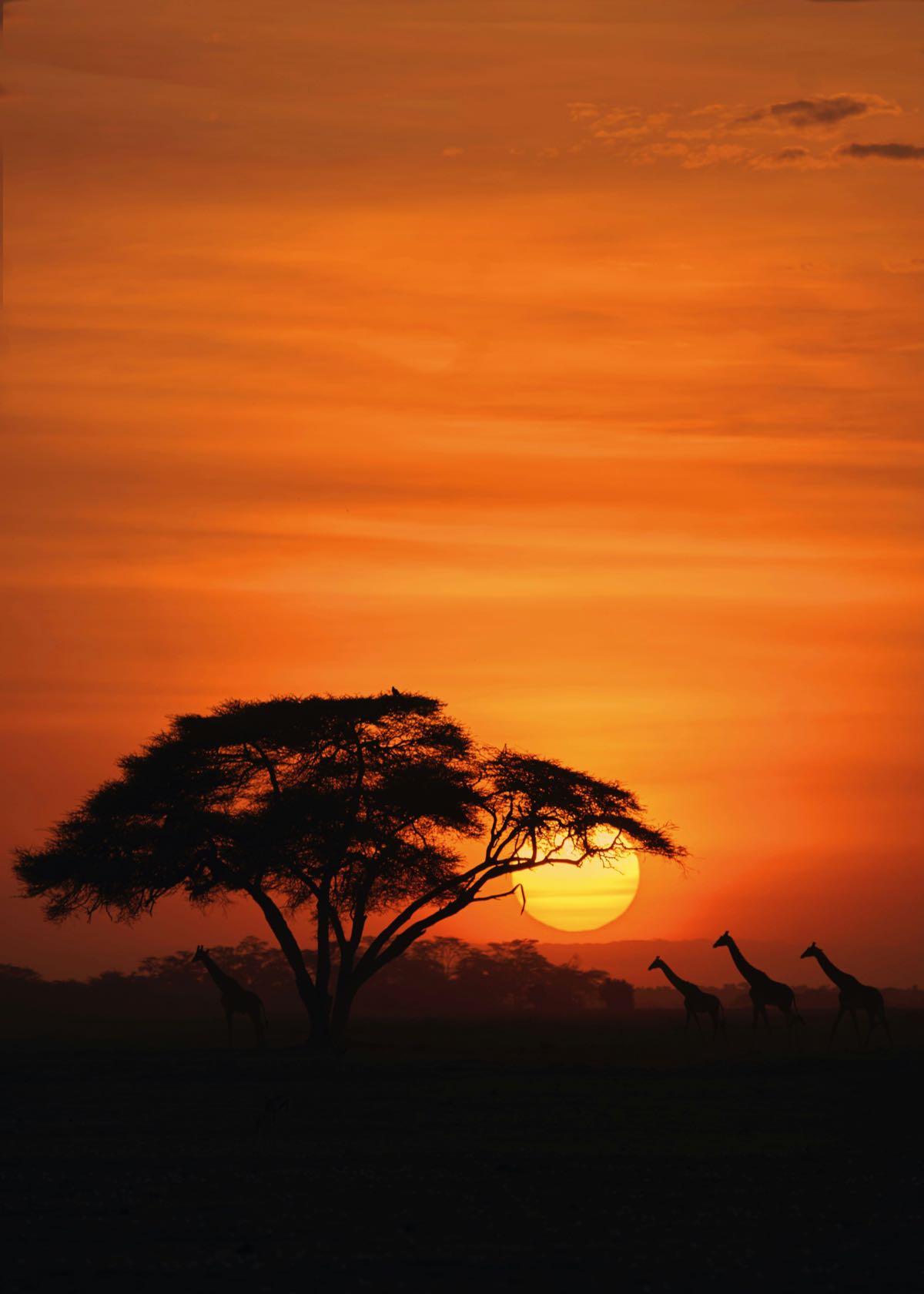
November light is extraordinary and specific. The short rains produce afternoon cumulonimbus clouds that turn the Mara sky into a drama backdrop. After rain, the morning light is gold and clean. Double rainbows appear over the plains as the season progresses. Wildlife photographers who visit in July–August often return in November specifically for the light quality.
What to photograph in November:
- Storm skies over the Mara with acacia silhouettes
- Impala calves in green grass - best light 6–9am after rain
- Birds in breeding plumage (rollers, bee-eaters) against storm clouds
- Lion prides on green grassland rather than dusty savanna
Low-Season Rates: 30–50% Below Peak with Excellent Lodge Availability
November is firmly in the low season for most lodges. Rates 30–50% below July–August peak. Excellent availability - the contrast with August (6+ months advance booking required) is stark.
Search hotels in Kenya on Booking.com, or jump straight to Watamu, Masai Mara or Samburu.
Recommended Lodges for November: Samburu for Dry Conditions, Mara for Calving Action
Samburu:
- Elephant Bedroom Camp - November rain is significantly lighter in the northern drylands than in the Mara or Amboseli. Elephant Bedroom Camp’s riverside position on the Ewaso Ng’iro keeps wildlife reliably concentrated at the water, and green season rates make 12 nights here exceptional value. Rates approximately USD 300–440/person/night full board, November low season. Search availability at Elephant Bedroom Camp
- Samburu Sopa Lodge - good value mid-range option as November green season rates bring Samburu within reach for budget-conscious travellers. 60 rooms, riverside wildlife viewing, and reliable Special Five sightings throughout the month. Rates approximately USD 130–180/person/night full board, November low season. Search availability at Samburu Sopa Lodge
Masai Mara (calving season, storm photography, green-season light):
- Mara Serena Safari Lodge - 74-room lodge on a ridge overlooking the Mara. November’s storm light and impala calving make the elevated position particularly effective for spotting predator-prey interactions across the open plains. The ridge also provides dramatic storm-sky photography at sunset. Rates approximately USD 280–420/person/night full board, November low season. Search availability at Mara Serena Safari Lodge
Some lodge closures: A small number of smaller camps take their annual maintenance break in November. Confirm with your specific lodge before booking.
November at the Coast
The short rains bring afternoon showers to the coast, but the Indian Ocean is calm and warm (sea temperature 26–28°C). Whale shark season is in full swing - October through March is reliably good at Watamu, with November typically producing frequent encounter days. Diving visibility fluctuates with the rains but can be excellent between rain periods. The coast is not at its beach best in November, but for marine activities it is underrated. Choosing a base? See Diani vs Watamu.
Best Destinations in November: Samburu for Dry Conditions, Mara for Calving Action
Best choice: Samburu - the northern drylands receive significantly less rain than the Mara in November. Wildlife concentrates at the Ewaso Ng’iro River, roads stay passable, and the green flush makes the northern landscape beautiful. The Samburu Special Five (Grevy’s zebra, reticulated giraffe, Somali ostrich, Beisa oryx, gerenuk) are reliably seen. Browse Samburu safari tours for green-season departures at November low rates.
For calving and predator action: Masai Mara - if you accept rain, mud, and more dispersed wildlife, November in the Mara is exceptional. The impala calving provides daily predator-prey interactions. The landscape is vivid green. Storm skies make for extraordinary photography. Browse Masai Mara tours for November green-season options.
For atmosphere: Lamu - one of the quietest and cheapest times to visit Lamu’s World Heritage Old Town. Dhow trips still operate. Wandering the lanes in light rain is genuinely pleasant and the town is almost empty of tourists.
November Costs: Green Season Lows Across the Safari Circuit
Safari costs (per person/night, full board):
- Budget camp, Masai Mara: approximately KES 10,000–17,000 (green season rates)
- Mid-range lodge, Masai Mara: approximately KES 18,000–38,000
- Samburu mid-range lodge: approximately KES 15,000–30,000
Nairobi costs:
- Budget guesthouse: approximately KES 2,000–4,500/night
- Mid-range hotel: approximately KES 7,000–15,000/night
- Meals (mid-range restaurant): approximately KES 800–1,500 per person
November is among the cheapest months in Kenya - green season pricing applies across most destinations. Savings of 30–50% versus the July–August peak are typical.
What to Pack: Quality Waterproofs and Camera Rain Covers for the Short Rains
- Good quality waterproof jacket and over-trousers - afternoon storms can be heavy
- Waterproof boots or sealed trail shoes
- Fast-dry clothing - humidity is high after rain
- Insect repellent and antimalarials as recommended - rain increases mosquito activity
- Camera rain covers and dry bags for electronics
FAQs
Is November a good time to visit Kenya? For birdwatchers, calving season enthusiasts, and budget-conscious photographers, yes - it’s one of the most underrated months. For first-timers who want optimal dry-season game viewing, July–September or January–February is more predictable.
Is it safe to drive in Kenya in November? Nairobi and major tarmac routes are fine year-round. Safari park roads - especially the Masai Mara’s black cotton soil tracks - can become severely muddy in heavy rain. A reputable operator with a high-clearance 4WD is essential for any November Mara safari.
How much cheaper is November than peak season? Typically 30–50% below the July–September migration peak. Some lodges offer their best green season specials in November - worth asking directly rather than booking through standard online channels.
For the full season comparison, see our best time to visit Kenya guide. The Masai Mara wildlife guide covers the green-season calving and predator period. The Samburu National Reserve guide covers November conditions in the north. For the Lamu Cultural Festival, the Lamu city guide covers dates and logistics.
Plan Your Trip
November is the month experienced Kenya photographers specifically target: the short rains produce dramatic storm skies, vivid green Mara plains, and the golden post-rain light window around 5–7pm that August’s flat blue skies never deliver. Samburu stays relatively dry and is the most reliable inland park. The calving season is at its intensity - impala lambs, topi calves, and Thomson’s gazelle fawns draw predators out into the open grassland daily. Lodge prices are at their annual low, often 35–50% below the August peak. Book Samburu Intrepids or Elephant Bedroom for the north; any Mara Triangle camp for the south. Flights to Kenya and travel insurance are straightforward to book. Pick up an eSIM on arrival at JKIA.