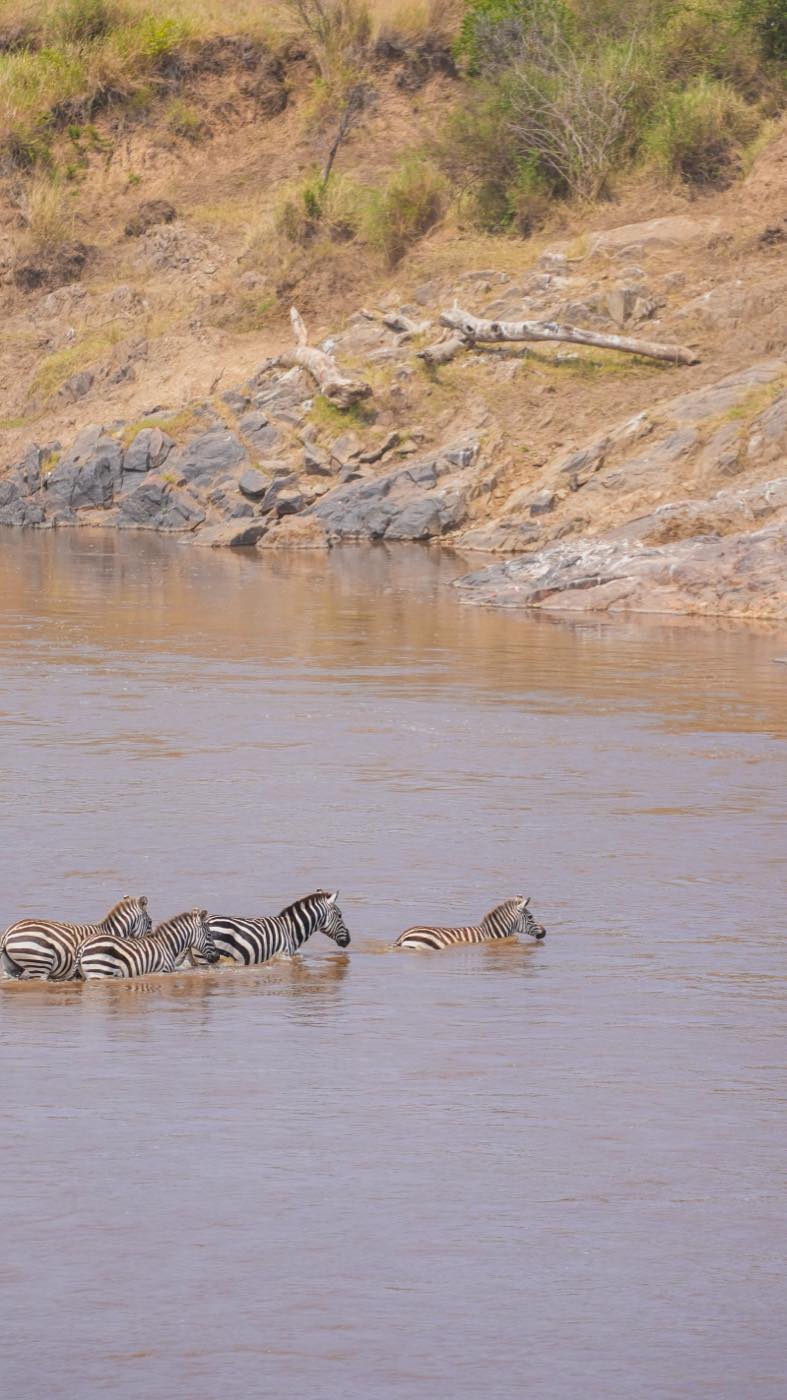
Kenya has two rainy seasons, and the short rains of November and December are the gentler one. Many travellers avoid them out of habit, but we think that is a mistake. Lodges are cheaper, the landscape is green, resident wildlife stays close, and big storms are usually confined to afternoons and nights. This guide explains what the short rains really mean for a safari in 2026, which parks perform best and how to plan around the weather.
For monthly detail, pair this with our guides to visiting Kenya in November and visiting Kenya in December. For the whole year, see the best time to visit Kenya.
What the short rains actually are
The short rains (vuli) arrive as the Intertropical Convergence Zone moves south in October and November. Rain tends to build from late October, peak in November and fade through early December. Typical patterns:
- Rainfall: the Masai Mara receives roughly 150-170mm in November and around 80mm in December, based on our monthly guides. Amboseli and Tsavo are drier, and the coast is wetter in November
- Temperature: 22-28°C days in the highlands and Mara, 30°C or more at the coast and in Tsavo
- Pattern: sunny mornings, cumulus build-up after noon, storms from late afternoon into the night
- Variability: the strength changes year to year, linked to the Indian Ocean Dipole. Check the Kenya Meteorological Department outlook before you pay a final balance
We have also published a short-rains travel advisory for 2026 conditions on the road.
Where to go in the short rains
Amboseli
Amboseli is our top pick. Its volcanic soils drain well, and the green after rain lifts photography with Kilimanjaro often clear at dawn. Elephant herds stay large. As of 2026, KWS fees are approximately USD 90 per adult per day plus a USD 30 vehicle fee, with eCitizen pre-booking about 48 hours ahead. See our Amboseli guide and Amboseli safari cost.
Tsavo East and Tsavo West
Tsavo greens up dramatically in November, and red elephants are easy to see. The roads are mostly gravel and hold up well. Read our Tsavo guide and the Tsavo safari cost page.
Samburu and Laikipia
The north is semi-arid, so it receives less rain. Samburu offers Grevy’s zebra, reticulated giraffe, gerenuk and Beisa oryx. Ol Pejeta in Laikipia has the Big Five, including rhinos. See Samburu and Ol Pejeta Conservancy.
Masai Mara
The Mara is still rewarding. Resident lions, cheetah and elephants are easy to find, and the park is quiet. Expect some mud, especially around the Talek and Mara Triangle, and use a 4x4 with a driver who knows the black-cotton soil. For the dry-season follow-up, read Masai Mara in December and our wildlife calendar.
The migration question
By November most of the Great Migration is already back in Tanzania. The wildebeest calving season in the southern Serengeti (Ndutu and Kusini) runs from late January to March. It is not a Kenyan event, so build a cross-border extension if calving is a priority. See Kenya vs Tanzania safari and Kenya vs Tanzania for winter sun.
Wildlife and birding in the short rains
The rains trigger births among resident plains game. Impala, topi and Thomson’s gazelle drop young around the end of the year, and predators follow. Zebra (around 80,000 in the Mara ecosystem), impala (around 30,000) and Thomson’s gazelle (around 30,000) are plentiful. Kenya has roughly 1,100 recorded bird species, and from November Palearctic migrants such as European bee-eaters, steppe eagles, Eurasian rollers and willow warblers arrive, so birders get the best of both seasons. Lake Nakuru, Naivasha and Baringo are highlights.
Costs: how much do you save?
As of 2026, our checks across published lodge rates suggest these approximate patterns:
| Item | Peak (Jul-Oct, Christmas week) | Short rains (Nov to early Dec) |
|---|---|---|
| Mid-range Mara camp, per person per night | USD 300-450 | USD 220-320 |
| Mid-range Amboseli lodge, per person per night | USD 280-400 | USD 200-300 |
| 3-night Mara package from Nairobi | USD 1,900-2,600 | USD 1,200-1,700 |
Mara non-resident park fees are approximately USD 200 per adult per day from July to December. See our Kenya safari cost guide for budgets, and Masai Mara safari cost.
Practical tips for a short-rains safari
- Choose a high-clearance 4x4 with an experienced guide, and avoid self-drive on unpaved routes after storms
- Pack a lightweight waterproof jacket, dry bags for cameras and quick-dry clothing
- Keep two buffer days in your itinerary, because a delayed bush flight is easier to absorb than a missed connection
- Buy insurance that covers weather-related delays, and read our Kenya travel insurance guide
- Use mosquito repellent, since the rains increase mosquitoes, and speak to a travel clinic about malaria prophylaxis
- Book Christmas lodges early, because the festive week sells out even when November is quiet
Compare guided options on Kenya safari tours and Masai Mara tours and consider Amboseli with Amboseli tours.
A sample 7-day short-rains itinerary
- Days 1-2, Amboseli: fly or drive from Nairobi (about 4 hours by road, or a 45-minute flight to the airstrip), with morning drives for clear Kilimanjaro views and afternoon visits to the Ol Tukai swamps
- Days 3-4, Tsavo West or East: green hills, red elephants, Mzima Springs and the lava flows at Shetani, with lodge rates at their lowest in November
- Days 5-7, Masai Mara: three nights in a conservancy camp for night drives and off-road tracking of resident lions and cheetah, then a flight back to Wilson Airport
We often tell readers to treat this as a template and adjust it to a budget of USD 2,500-4,000 per person for a mid-range version as of 2026. For coastal rest at the end, add three nights on the Kenyan coast, which clears up from mid-December. Our Diani Beach in December guide shows what that looks like.
Common mistakes in the short rains
The most frequent mistake is assuming it rains all day. It rarely does. The second is booking a very tight itinerary with several bush flights, which leaves no room for weather delays. The third is skipping a rain layer for early game drives, since morning temperatures at altitude can drop to 12-15°C. Finally, check road conditions with your operator the day before long transfers, particularly the Narok to Mara stretch and the Mombasa Road at Mtito Andei, where heavy trucks and wet surfaces slow everything down.
Should you go?
If you want low prices, green scenery and excellent photography, and you are comfortable with an occasional afternoon downpour, the short rains are a smart time for a Kenyan safari. If you must see the river crossings, travel between July and October instead. If you simply want guaranteed sunshine at Christmas, head to the coast or the northern parks. Our Kenya winter sun guide shows how to combine them.