December is not the Masai Mara’s headline month - that belongs to July–October, when the Great Migration’s wildebeest crossings are the focus of every safari operator’s marketing. But December is a quietly excellent time to visit. The migration has gone south, the crowds thin noticeably, and the dry-season conditions that follow the short rains produce some of the year’s best game viewing for resident wildlife.
For a full seasonal breakdown, see our Kenya wildlife calendar and Masai Mara overview.
Weather in the Masai Mara in December
December falls in Kenya’s short dry season, following the end of the short rains in November. Conditions in December are typically:
- Temperatures: 20–28°C during the day, dropping to 14–18°C at night
- Rainfall: Low - December averages 30–50mm, predominantly in brief afternoon showers rather than sustained rain. Many days see no rain at all
- Sky conditions: Good - cloud cover reduces as the month progresses, with December second half often completely clear
- Roads: Firm and accessible throughout the Mara Triangle, conservancies, and most of the main reserve
The clear skies and low rainfall make December one of the most photographically productive months - light quality in December is good for most of the day, unlike the harsh midday light of the peak dry season in August.
Wildlife in the Masai Mara in December
What Remains After the Migration
The Great Migration’s wildebeest and zebra herds move south into Tanzania’s Serengeti between October and early November. By December, the Mara ecosystem has reverted to its resident wildlife population - which is far larger than most visitors expect.
Resident herbivores: Topi antelope, impala, eland, buffalo herds (often numbering 200–500 animals), waterbuck, warthog, and giraffe are present year-round. Hippo pods occupy the Mara River and Talek River throughout December.
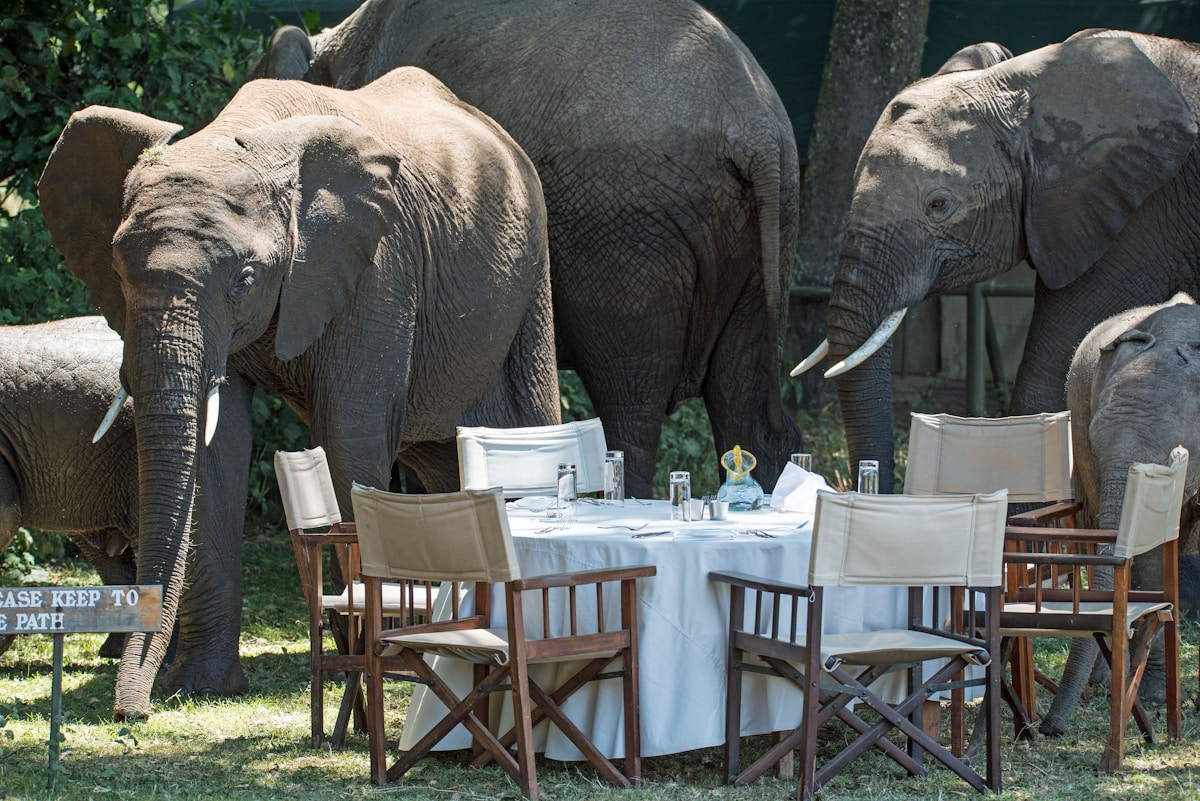
Elephants: December is a productive month for elephant sightings in the Mara. With the migration gone and the grass shortening, elephant herds move more predictably and are often visible from camp.
Big Cat Viewing in December
December is one of the Masai Mara’s best months for big cat sightings, and arguably better than peak migration season for this specifically. With fewer visitors and more open terrain, tracking is easier.
Lions: The Mara’s lion prides are resident year-round. The Marsh Pride (Bila Shaka area), the Ridge Pride (Mara Triangle), and several conservancy prides are active in December. December’s short grass makes lion tracking more effective - animals that would be invisible in long grass are visible at 400+ metres.
Cheetah: December is consistently good for cheetah. The Mara is one of Africa’s most reliable cheetah viewing destinations, and the short-grass, open-plains conditions in December suit cheetah hunting behaviour. Conservancy guides with off-road capability can approach more closely than main reserve vehicles.
Leopard: Leopard sightings are possible throughout the year and December is no exception. The Talek River corridor and fig tree areas are reliable zones.
Bird Life in December
December is a strong month for birding in the Mara. The resident population is supplemented by Palearctic migrants from Europe and Asia, which are present through November–March. Rollers, bee-eaters, and raptors are well-represented; the lilac-breasted roller, Masai Mara’s most photographed bird, is present year-round.
Visitor Numbers in December
December splits into two distinct periods:
December 1–22: This is genuinely one of the quieter periods in the Masai Mara calendar. After the peak migration season (August–October) and before the Christmas rush, visitor numbers are relatively low. Camp rates are often at high-season rather than peak-season levels. Game drives encounter fewer vehicles, and big cat sightings can be observed with minimal competition.
December 23–January 2 (Peak Period): The Christmas and New Year period sees a significant spike in visitors from Europe and North America. Quality camps fill entirely, rates jump to peak-season highs (the highest of the year at many properties), and popular sighting spots like the Mara River crossing areas attract more vehicles than at any other time except August. Book well in advance - many camps are fully committed by July.
Best Areas for December Game Viewing
Private Conservancies (Recommended)
The conservancies bordering the Masai Mara National Reserve - Olare Motorogi, Naboisho, Ol Kinyei, and Mara North - offer the best December experience for several reasons:
- Off-road driving: Allowed in conservancies but not in the main reserve. Critical for tracking big cats through terrain.
- Night game drives: Permitted in most conservancies after 6pm. Encounters with leopard, aardvark, serval, and honey badger are possible in ways unavailable inside the reserve.
- Vehicle limits: Most conservancies cap the number of vehicles at any sighting to 3–5, compared to the main reserve where popular sightings can attract 20–30 vehicles.
- Lower visitor density: Conservancy visitor numbers in December (outside the Christmas week) are far below peak season.
Well-regarded conservancy camps for December include Kicheche Mara Camp (Olare Motorogi), Ol Seki Hemingways Mara (Naboisho), Mahali Pa Tembo (Naboisho), and Sanctuary Olonana (Mara North). Rates run from approximately USD 400–900 per person per night full-board as of 2026.
Mara Triangle (Main Reserve, Western Zone)
For those who prefer the main reserve, the Mara Triangle (managed by the Mara Conservancy) is the most reliable zone in December. The Mara River’s western bank is the focus - the permanent water here sustains resident hippo pods, crocodile, and the predators that follow prey to water.
Camps in or near the Mara Triangle include Mara Serena Safari Lodge (views over the Mara River plain) and Sarova Mara Game Camp. From approximately USD 250–500 per person per night full-board as of 2026.
Talek Area (Main Reserve, Eastern Zone)
The Talek River corridor in the eastern reserve is productive for leopard. More accessible from Nairobi by road than the Mara Triangle (approximately 5–6 hours vs 7–8 hours), making it popular with self-drive visitors. The Talek gate is used for budget camping and mid-range accommodation. More crowded than the conservancies but significantly cheaper.
Getting to the Masai Mara in December
By air: The most efficient option from Nairobi. Safarilink and AirKenya operate daily scheduled flights from Wilson Airport to Keekorok, Ol Kiombo, Olare Orok, and other Mara airstrips (approximately 45 minutes, from approximately USD 130–220 one-way as of 2026).
By road: The main route runs Nairobi–Narok–Mara (approximately 5–7 hours depending on destination within the Mara). Road condition from Nairobi to Narok is tarmac and good; the track from Narok to the Mara gate is murram (gravel) and best suited to 4WD. In December’s dry conditions, the road is generally in good shape. A car hire for the Masai Mara requires a 4WD vehicle.
December vs Other Months: When to Go
December sits in the second tier of Masai Mara months - excellent for resident wildlife but not the headline migration period:
| Period | Highlight | Visitor numbers | Price level |
|---|---|---|---|
| Jul–Oct | Great Migration crossings | Very high | Peak |
| Jan–Mar | Big cats, low crowds, good visibility | Low | Shoulder |
| Dec 1–22 | Big cats, post-migration quiet | Moderate | High |
| Dec 23–Jan 2 | NYE/Christmas, big cats | High | Peak |
| Apr–Jun | Long rains; lush but wet | Very low | Low |
For the full year-by-year breakdown and migration timing, see our Kenya wildlife calendar.
Book Your December Mara Trip
Flights - compare on Aviasales · flights guide eSIM - stay connected with Airalo Travel insurance - cover with EKTA Airport transfers - book with Kiwitaxi Tours and activities - browse GetYourGuide