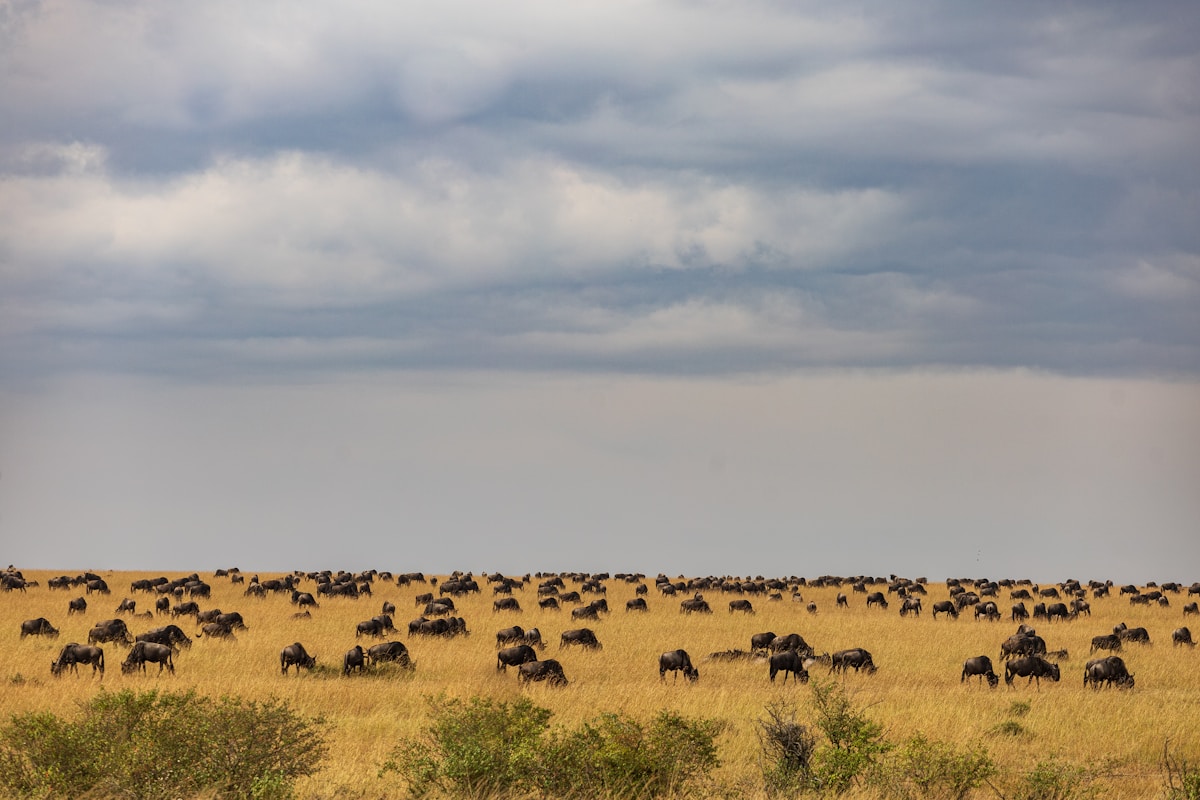
Kenya’s wildlife calendar doesn’t follow a simple “best months” formula. Different parks, species, and ecosystems peak at different times - and some of the most extraordinary sightings happen in months most visitors overlook. This guide breaks it down month by month so you know exactly where to be and what to expect.
The Month-by-Month Breakdown
| Month | Best Parks | Key Wildlife Events |
|---|---|---|
| January | Masai Mara, Ndutu/Tanzania border, Samburu | Calving season begins; predator density peaks; flamingos on Lake Nakuru |
| February | Masai Mara, Amboseli, Samburu | Peak calving; cheetah cubs common; dry and clear for photography |
| March | Amboseli, Tsavo East, Lake Nakuru | Long rains begin; migrant birds depart; uncrowded parks |
| April | Tsavo West, Aberdare, Mount Kenya NP | Heavy rains; lush scenery; good for forest wildlife; fewer tourists |
| May | Tsavo, Aberdare, Samburu | Rains ease; big cats active; affordable rates across most lodges |
Search hotels in Kenya on Booking.com
| June | Masai Mara, Samburu, Hell’s Gate | Migration herds building in the Mara; short-grass visibility excellent | | July | Masai Mara | First river crossings; peak safari season begins; lions cubbing | | August | Masai Mara, Lake Nakuru, Nairobi NP | Peak river crossings; highest wildebeest numbers; flamingo gatherings | | September | Masai Mara, Amboseli, Samburu | River crossings continue; elephants in Amboseli at their most active | | October | Masai Mara, Diani (marine), Watamu | Late crossings; whale shark season opens offshore; turtle nesting peaks | | November | Amboseli, Samburu, Diani | Short rains arrive; whale sharks peak; good elephant and big cat activity | | December | Amboseli, Lake Nakuru, Nairobi NP | Resident wildlife stable; green landscapes; Christmas period sees price rises |
January – February: Calving Season and Predator Action
While most visitors focus on the Great Migration river crossings, January and February offer one of Kenya’s most extraordinary wildlife spectacles - calving season. Hundreds of thousands of wildebeest calves are born in and around the Ndutu area (just across the Tanzanian border from the Masai Mara ecosystem), and the Mara’s big cats follow. Lion prides grow bold. Cheetah mothers run at full effort to feed cubs born earlier in the dry season. Leopards patrol riverine forest in numbers.
In the Masai Mara, January brings some of the clearest skies and most reliable sightings of the year. The grass stays short after the long dry, giving unobstructed views across plains still dotted with resident wildebeest and zebra.
Samburu National Reserve is also superb in February. The Ewaso Ng’iro River draws concentrations of elephant families, reticulated giraffe, Grevy’s zebra, and gerenuk - species unique to the northern circuit. February is dry here, making bush-walks and game drives equally rewarding.
Book ahead: February is peak international travel season, and top Mara camps - particularly those bordering the Mara River - fill months in advance. Browse Masai Mara safari options if you’re targeting this window.
March – May: Green Season Value
Kenya’s long rains fall from late March through May, and most visitors avoid this period. That’s a mistake. Parks like Tsavo East and West turn spectacularly green, waterholes fill, and the landscape transforms. Birding peaks as European and Asian migratory species arrive. Elephants roam widely rather than clustering around rivers, making sightings more varied and often more intimate.
Rates drop across almost all lodges and camps during this period - sometimes by 40–50% compared to July–October prices. Fewer vehicles in the parks means sightings feel private. The rains tend to fall in afternoon bursts rather than all day, leaving mornings and evenings excellent for game drives.
The Aberdare National Park and surrounding moorlands are particularly atmospheric in the green season. Leopard and buffalo are frequently spotted from the exclusive tree lodges, and the mist-covered forest creates a mood entirely different from the open savannah further south.
June: Migration Herds Build
By June, the wildebeest herds have moved northward from Tanzania into the Mara ecosystem. River crossings haven’t begun in earnest, but the sheer number of animals on the Mara plains - wildebeest, zebra, gazelle, and the predators tracking them - is already remarkable. This is also an excellent time for hot air balloon flights before the high-season crowds arrive in July.
June is dry and warm across most parks. Hell’s Gate National Park near Naivasha offers a different experience - geothermal scenery, walking safaris, and cycling among wildlife including zebra, buffalo, and occasionally leopard, without requiring a vehicle.
July – October: Peak Migration and River Crossings
This is the window everyone comes for. The Great Migration’s most dramatic phase - the Mara River crossings - typically runs from July through October, with August and September seeing the heaviest concentrations of wildebeest. Crocodiles wait. Lions ambush. Hippos bellow from sandbars as tens of thousands of animals plunge into churning water and scramble up the far bank.
For full detail on the crossing dynamics and where to position yourself, read our Great Migration guide.
Beyond the Mara, Amboseli National Park is exceptional in September and October. The elephant families here - some of the most studied in Africa - are particularly active as water sources consolidate. With Kilimanjaro as a backdrop and afternoon light turning the dust gold, Amboseli photography in these months is extraordinary. Safari options for Amboseli can be combined with Mara itineraries for a two-park circuit.
Note on crowds: July–October is peak season everywhere. Book accommodation at Mara River camps 6–12 months ahead for the best positions. Midweek arrivals and lesser-known conservancies bordering the main reserve (Ol Kinyei, Naboisho, Mara North) offer more exclusive game viewing at the same wildlife density.
October – March: Whale Sharks and Turtle Nesting on the Coast
Kenya’s Indian Ocean coast has its own wildlife calendar, running parallel to the safari season.
Whale sharks appear off Diani Beach and Watamu from around October through March, with the November–January window considered most reliable. At approximately 10–12 metres, these filter feeders attract snorkellers and divers from around the world. Several Diani-based operators run boat trips to known aggregation points; sightings are not guaranteed but success rates are high in peak months. Explore Kenya coastal tours.
Turtle nesting on Kenyan beaches peaks between June and October. Green turtles and hawksbill turtles haul out on protected beaches north and south of Malindi. Watamu Turtle Watch runs guided nest monitoring - a low-impact way to observe nesting females and, if timing allows, hatchlings. Turtle sightings are also common for snorkellers on Kenyan reef systems year-round.
Bird Watching: Kenya’s Two Migration Pulses
Kenya is one of Africa’s premier birding destinations, with over 1,100 recorded species. Two annual pulses drive the best birding:
October–April (Palearctic migrants): European species - including rollers, bee-eaters, raptors, and waders - arrive from October and stay through April. Samburu and the Rift Valley lakes see the greatest concentrations. Lake Nakuru’s flamingo gatherings are at their most spectacular when water levels and algae bloom synchronise, often in January–February and again in November–December.
April–May (intra-African migrants): As the long rains arrive, intra-African migrants move through Kenya, and highland forest species become more active. The Kakamega Forest in western Kenya - Kenya’s only tropical rainforest remnant - rewards dedicated birders in April and May with species rare elsewhere in East Africa.
Planning Around Kenya’s Two Dry Seasons
Kenya broadly follows two dry seasons and two rainy periods:
- Long dry season: June–October (peak season, highest prices, best migration viewing)
- Short dry season: January–February (excellent wildlife, lower prices than peak season)
- Long rains: March–May (green, affordable, good birding, fewer crowds)
- Short rains: November–December (lighter rainfall than April–May, wildlife remains active)
For most first-time visitors, the best time to visit Kenya depends on which species and experiences matter most. If the Great Migration is the priority, July–October is unavoidable. If budget matters and flexibility exists, January–February offers comparable predator sightings at significantly lower accommodation rates.
Kenya rewards visitors in every month. The key is matching your expectations to what each season genuinely offers - and booking the right park for the right time.