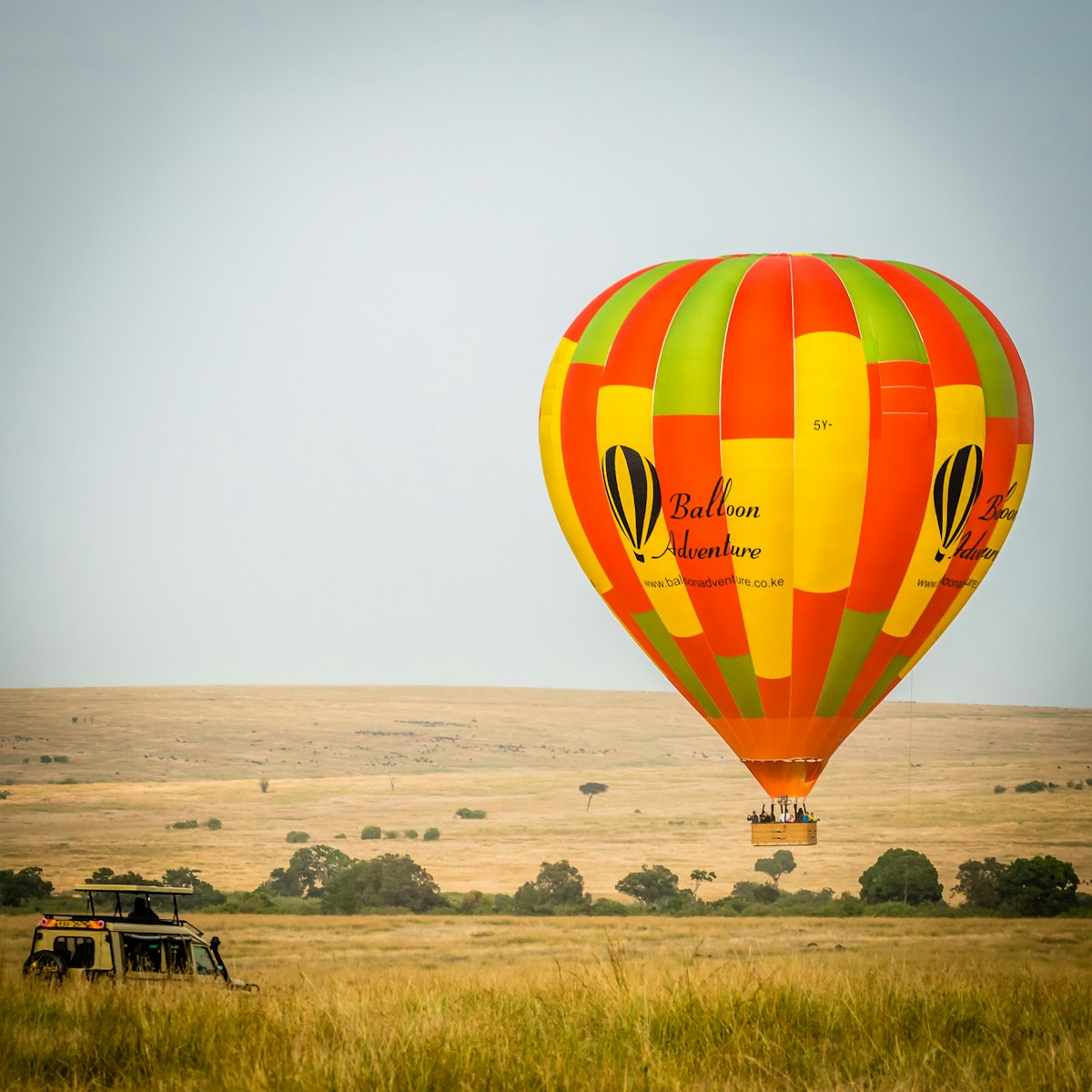
The Maasai Mara is Kenya’s most iconic safari destination - and one of the most expensive. A 3-day stay during migration season at a luxury conservancy camp can cost USD 3,000–4,500 per person. But the Mara is also doable on a more modest budget. Here is a clear breakdown of what you will actually pay, by tier and itinerary length.
Park Entry Fees
Before accommodation, every visitor pays entry fees to the Narok County Government:
- Non-resident adults: approximately USD 100 per person per day (as of 2026)
- Non-resident children (3–17 years): approximately USD 50 per day
- East African residents and citizens: significantly reduced rates
Fees are paid at the gate or in advance. Gates open 6am–7pm. If you stay in a private conservancy bordering the reserve, you pay the conservancy fee instead of (or in addition to) the national reserve fee - check your lodge’s specific policy.
Accommodation by Tier
Budget - USD 80–180 per person per night
Budget options in and around the Mara are limited compared to other Kenyan parks, but they exist.
- Mara Leisure Camp (Talek River) - basic tented camp with shared facilities, approximately USD 80–120 per person per night full board
- Enchoro Wildlife Camp (Talek) - entry-level tented camp, approximately USD 90–140 per person per night
- Mara Sopa Lodge (inside the reserve boundary) - larger, hotel-style lodge, approximately USD 130–200 per person per night full board
- Fig Tree Camp (Talek River) - tented camp with reliable game drive access, approximately USD 100–180 per person per night full board
Budget camps typically include accommodation and meals but charge separately for game drives (approximately USD 40–80 per person per drive in a shared vehicle).
Mid-Range - USD 200–400 per person per night
Mid-range camps are full-board and include game drives, offering the best value for most first-time visitors.
- Keekorok Lodge (inside the national reserve) - one of the original Mara lodges, well-positioned near a resident hippo pool, approximately USD 200–320 per person per night full board with game drives
- Mara Serena Safari Lodge - elevated position with panoramic views, good infrastructure, approximately USD 220–360 per person per night
- Mara Intrepids Camp - permanent tented camp on the Talek River, approximately USD 250–380 per person per night all-inclusive
- Ol Seki Hemingways Mara (Naboisho Conservancy) - conservancy access with off-road driving, approximately USD 300–450 per person per night all-inclusive
Mid-range conservancy camps (like Ol Seki) provide the conservancy experience - night drives, walking safaris, off-road tracking - at rates below the top luxury tier.
Luxury - USD 450–900+ per person per night
Luxury camps in the private conservancies are all-inclusive and offer the best wildlife experience: smaller vehicles, off-road driving, night drives, bush walks, and lower vehicle density.
- andBeyond Bateleur Camp (Mara Triangle) - classic Mara luxury, approximately USD 500–750 per person per night all-inclusive
- Angama Mara (escarpment above the reserve) - architectural standout with extraordinary views, approximately USD 600–900 per person per night all-inclusive (book via angama.com)
- Mara Plains Camp (Olare Motorogi Conservancy) - 8-tent camp with exceptional big cat access, approximately USD 550–800 per person per night all-inclusive
- Sandy’s Camp (Mara North Conservancy) - intimate 6-tent camp, from approximately USD 500–700 per person per night all-inclusive
All prices are per person sharing and as of 2026. Rates fluctuate seasonally - expect peak-season premiums of 30–50% during the migration (August–October).
Transport from Nairobi
By Air (recommended for 3–5 day trips)
- Scheduled flights (Safarilink, AirKenya from Wilson Airport): approximately USD 150–220 per person one way
- Charter flights: USD 200–400 per person one way (cheaper per seat on larger groups)
- Flight time: 45 minutes to Mara airstrips (Keekorok, Mara Serena, Mara North, Ol Kiombo)
Most luxury packages include return flights. Mid-range packages may list flights separately.
By Road
- Shared shuttle (from Nairobi CBD to Talek or Sekenani gate): approximately USD 30–60 per person one way
- Private transfer: approximately USD 150–250 per vehicle one way (saloon car or 4WD)
- Self-drive: petrol cost approximately USD 40–60 each way; 4WD recommended for the Narok–gate road section
- Drive time: 5–6 hours from Nairobi on a good day; allow longer in the wet season
Named Tour Operators
| Operator | Tier | 3-Day Price Range (per person) |
|---|---|---|
| Africa Safari Company | Budget–Mid | from approx. USD 700 |
| Gametracker Enterprises | Mid | from approx. USD 900 |
| Gamewatchers/Porini | Mid–Luxury (conservancy) | from approx. USD 1,400 |
| AsiliAfrica | Luxury | from approx. USD 2,500 |
| andBeyond | Luxury | from approx. USD 3,000 |
| Micato Safaris | Luxury | from approx. USD 3,500 |
| Abercrombie & Kent | Ultra-luxury | from approx. USD 4,000 |
All operator prices as of 2026; verify directly before booking. Most quotes are per person sharing double occupancy and include park fees, accommodation, meals, and game drives.
For individual tours with verified reviews, browse Masai Mara safari tours on GetYourGuide — particularly useful for day trips from Nairobi and shorter game drive packages if you are already based in the region.
3-Day Sample Itinerary Costs
A 3-day safari means 2 nights accommodation plus park fees for 2 days.
Budget (self-drive + basic camp):
- 2 nights × USD 120/person: USD 240
- Park fees 2 days × USD 100: USD 200
- Road transport (shared shuttle return): USD 80
- Total: approximately USD 520–600 per person
Mid-range (fly-in, permanent tented camp):
- Return flights Wilson–Mara: USD 350
- 2 nights mid-range camp (all-inclusive, inc. park fees): USD 600–700
- Total: approximately USD 950–1,050 per person
Luxury (fly-in, conservancy):
- Return flights: USD 400
- 2 nights luxury conservancy (all-inclusive, inc. conservancy fee): USD 1,200–1,600
- Total: approximately USD 1,600–2,000 per person
5-Day Sample Itinerary Costs
A 5-day Mara safari (4 nights) gives significantly more game drive time and often combines the national reserve with a conservancy.
Budget:
- 4 nights × USD 120: USD 480
- Park fees 4 days × USD 100: USD 400
- Road transport: USD 80
- Total: approximately USD 960–1,100 per person
Mid-range:
- Return flights: USD 350
- 4 nights all-inclusive (mixed camp/lodge): USD 1,200–1,400
- Total: approximately USD 1,550–1,750 per person
Luxury (split: 2 nights reserve lodge + 2 nights conservancy):
- Return flights: USD 400
- 4 nights all-inclusive: USD 2,200–3,200
- Total: approximately USD 2,600–3,600 per person
Best Season for Value
Best value windows:
- January–February: Dry season, clear mornings, resident wildlife active. Rates drop 15–25% below the August–October peak. Kilimanjaro is visible on clear days (relevant if combining with Amboseli).
- November: The short dry spell after the short rains. Some lodges offer green season rates. Excellent predator activity, lush landscapes, fewer vehicles than peak migration.
- Late June–early July: Just before migration peaks. Good wildlife and lower rates than August–September.
Peak season (August–October) commands the highest rates across all tiers. Book 6–12 months in advance for the migration if you want a specific conservancy camp.
Avoid April–May unless you are on a very tight budget and flexible about road conditions - the long rains make tracks difficult and some smaller camps close.
What Is and Isn’t Included
Most mid-range and luxury packages include: accommodation, all meals, twice-daily game drives, park/conservancy fees, and domestic transfers. They typically exclude: international and domestic flights (unless specified), optional balloon safaris (approximately USD 450–550 per person), premium drinks, tips, and travel insurance.
Budget camps may charge separately for game drives, meals, and park fees - read inclusions carefully before comparing headline prices.
For the full park experience and practical visitor info, see our Masai Mara National Reserve guide. For a comparison with other Kenyan parks and timing options, see our Kenya safari guide. To compare costs across all major parks, see our Big Five parks guide.