Choosing between Kenya and South Africa for a safari is one of the most common questions we hear. Both countries have world-class wildlife reserves, well-established safari infrastructure, and genuine Big Five populations. But they deliver the experience differently.
Here’s an honest comparison of what each does better.
The Core Difference
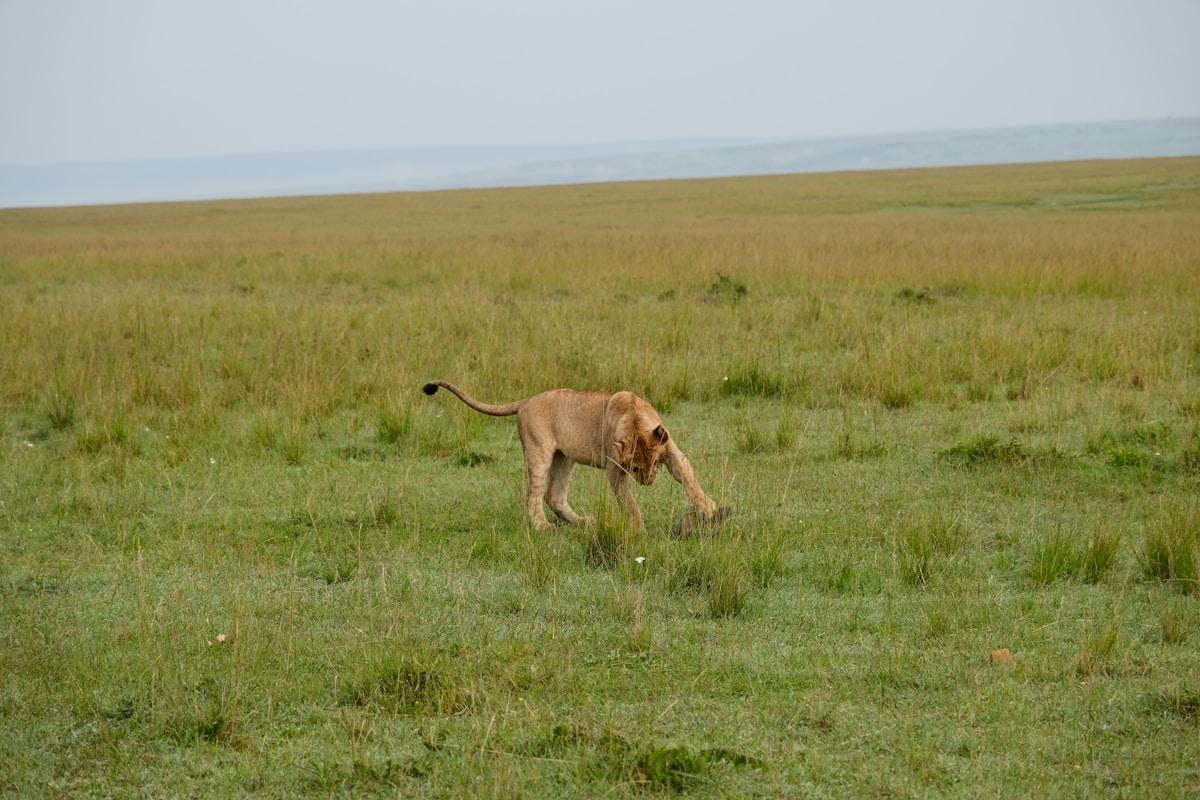
Kenya is defined by the open savanna - vast grasslands, acacia woodland, and the spectacle of the Great Migration. The wildlife density in the Masai Mara at peak season is arguably unmatched anywhere on earth. You’re watching it from an organised guided safari in a purpose-built vehicle.
South Africa offers a more varied experience. The Kruger is a massive self-drive park with genuine Big Five sightings at all levels of the market. The private reserves bordering Kruger (Sabi Sand, Timbavati, Thornybush) compete with any luxury safari on the continent. But South Africa also lets you pair your safari with Cape Town, the Garden Route, or the Winelands - making it easier to build a trip that isn’t 100% wildlife.
Quick Comparison
| Factor | Kenya | South Africa |
|---|---|---|
| Signature destination | Masai Mara, Amboseli, Tsavo | Kruger National Park, Sabi Sand |
| Great Migration | Yes - July–October for river crossings | No |
| Big Five availability | Yes - all parks | Yes - Kruger + private reserves |
| Self-drive safari | Limited; guided required in most parks | Yes - Kruger is self-drive friendly |
| Budget safari viability | Harder; guide + vehicle add cost | Easier; Kruger self-catering from ~USD 65/night |
| Mid-range budget/night (safari lodge) | KES 30,000–80,000/person (~USD 230–615) | ZAR 3,000–8,000/person (~USD 165–435) |
| Malaria risk | High (Masai Mara, Tsavo, Amboseli) | Lower (Kruger has seasonal risk; Cape Town zero) |
| Coast + safari combo | Yes - Mombasa / Diani coast 1 hr flight | Yes - Mozambique border; KwaZulu-Natal coast |
| Non-safari experiences | Limited in most safari zones | Cape Town, Winelands, Garden Route easily add-on |
| Night drives | Masai Mara conservancies only | Standard in Kruger and private reserves |
| Walking safaris | Limited (conservancy-dependent) | Widely available, especially private reserves |
Wildlife Experience
Kenya’s Advantage
The sheer density of wildlife in the Masai Mara at peak season has no direct equivalent in South Africa. A single morning game drive in the Mara can yield lion kills, large elephant herds, buffalo, giraffe, hippos, and dozens of antelope species before breakfast. The Great Migration - approximately 1.5 million wildebeest crossing between Tanzania’s Serengeti and the Mara - has no equivalent elsewhere.
Kenya also has excellent cheetah and wild dog populations in the Mara ecosystem, and the Mara river crossings are one of the genuinely unmissable wildlife events in the world. See our Masai Mara guide.
South Africa’s Advantage
South Africa’s wildlife is exceptional and arguably easier to see per day of effort at the budget and mid-range levels. Kruger’s lion pride territories are well-established and guides know exactly where to look. The private reserves bordering Kruger - particularly Sabi Sand - offer unfenced access to the same game, with luxury lodges that include two guided drives daily (morning and evening/night).
South Africa also has the world’s most accessible rhino populations. Rhino conservation in Kenya has made strong progress (Ol Pejeta Conservancy near Nanyuki and Lake Nakuru National Park both have significant populations) but Kruger’s rhino density is higher overall - though poaching remains a serious ongoing issue.
Costs
Kenya Safari Costs (as of 2026)
- Budget: Kenya’s guided-vehicle requirement makes true budget safaris difficult. Camping safaris in Tsavo or Amboseli start from approximately KES 15,000/person/night (USD 115) including vehicle, guide, and park fees. Mid-range tented camps: KES 30,000–80,000/person/night (USD 230–615) all-inclusive. For Tsavo and Amboseli self-drive, hiring a 4WD in Nairobi costs approximately USD 80–150/day plus fuel.
- Luxury: Masai Mara conservancy lodges (Angama, Mahali Mzuri, Governors’ Camp) run approximately USD 700–2,500/person/night all-inclusive as of 2026.
- Park fees (non-residents): Masai Mara ~USD 80/day; Amboseli ~USD 90/day; Tsavo ~USD 52/day.
South Africa Safari Costs (as of 2026)
- Budget: Kruger National Park rest camps (Skukuza, Satara, Berg-en-Dal) offer self-catering chalets and campsites from approximately ZAR 1,200–3,500/night (USD 65–190) as of 2026. Self-drive in your own hired vehicle adds approximately ZAR 600/day (USD 32) for a Toyota Fortuner or similar.
- Mid-range: Private lodges outside Kruger from approximately ZAR 6,000–12,000/person/night (USD 325–650) all-inclusive.
- Luxury: Sabi Sand private reserve lodges (Lion Sands, Londolozi, Singita Boulders) run approximately USD 800–3,000/person/night as of 2026.
- Kruger park fees (non-residents): approximately ZAR 450/person/day (USD 24) as of 2026 - significantly lower than Kenya.
Malaria Considerations
Both countries have malaria risk in safari zones. Kenya’s Masai Mara, Tsavo, and Amboseli are all in malaria-risk areas - prophylaxis is strongly recommended. South Africa’s Kruger and Limpopo province have malaria (highest risk October–May), but the risk drops in winter (June–September). Cape Town and the Western Cape have zero malaria risk, making South Africa easier to plan if you want to include a malaria-free destination.
Always consult a travel medicine clinic before either trip. Our Kenya health and vaccinations guide covers the Kenya-specific picture.
Combining Safari with Other Experiences
Kenya: the natural add-on is the coast - Mombasa, Diani Beach, or Watamu. A Nairobi–Masai Mara–Mombasa coast itinerary is well-established and most operators can handle the connections. Mount Kenya trekking and the Great Rift Valley lakes are also easily added.
South Africa: the add-on range is wider. Cape Town is one of the world’s great city destinations, and the Winelands and Garden Route add legitimate non-safari itinerary days. Many travellers do Cape Town (3–4 nights) + Kruger or Sabi Sand (4–5 nights) + Mozambique coast as a 10-day southern Africa circuit.
Where to Stay
Kenya Options
- Mahali Mzuri (Masai Mara, Richard Branson’s lodge): from approximately USD 1,200/person/night as of 2026
- Governors’ Camp (Mara North Conservancy): from approximately USD 600/person/night
- Ol Tukai Lodge (Amboseli): from approximately KES 35,000/person/night (USD 270)
- Satao Camp (Tsavo East): from approximately KES 30,000/person/night (USD 230)
Search hotels in Kenya on Booking.com
South Africa Options
- Londolozi Private Game Reserve (Sabi Sand): from approximately USD 1,400/person/night as of 2026
- Singita Boulders Lodge (Sabi Sand): from approximately USD 2,200/person/night
- Lion Sands River Lodge (Sabi Sand): from approximately USD 900/person/night
- Skukuza Rest Camp (Kruger, self-catering): from approximately ZAR 2,800/night (USD 150) for a chalet sleeping 4
Who Should Choose Which?
Choose Kenya if: (browse Masai Mara tours)
- The Great Migration river crossings are on your bucket list
- Wildlife density and spectacle are your top priority
- You want the classic East Africa open-savanna experience
- You’re happy with a guided-only safari format
- The Kenya coast is an appealing add-on
Choose South Africa if:
- Budget is a real constraint - Kruger self-drive is considerably cheaper
- You want flexibility to build a trip that isn’t entirely safari
- Cape Town or the Winelands appeal as much as the bush
- You want night drives and walking safaris as standard options
- You’re travelling with children who might benefit from the shorter, more structured Kruger drives
Do both if you have 14+ days. Fly Nairobi to Johannesburg (4 hours), and you cover two of the continent’s greatest wildlife destinations in a single trip. Browse Kenya safari tours to start building your itinerary. For more on what Kenya’s parks offer, see our Kenya safari guide.
For choosing between Kenya’s own parks, see our Masai Mara safari guide, Amboseli guide, and Tsavo guide. Our Kenya vs Tanzania safari guide is worth reading too if East Africa is the question. For practical trip planning, see our first-time Kenya guide.
Plan Your Trip
✈️ Book your flights to Kenya 🛡️ Get travel insurance 📱 Stay connected with an eSIM 🚗 Rent a car