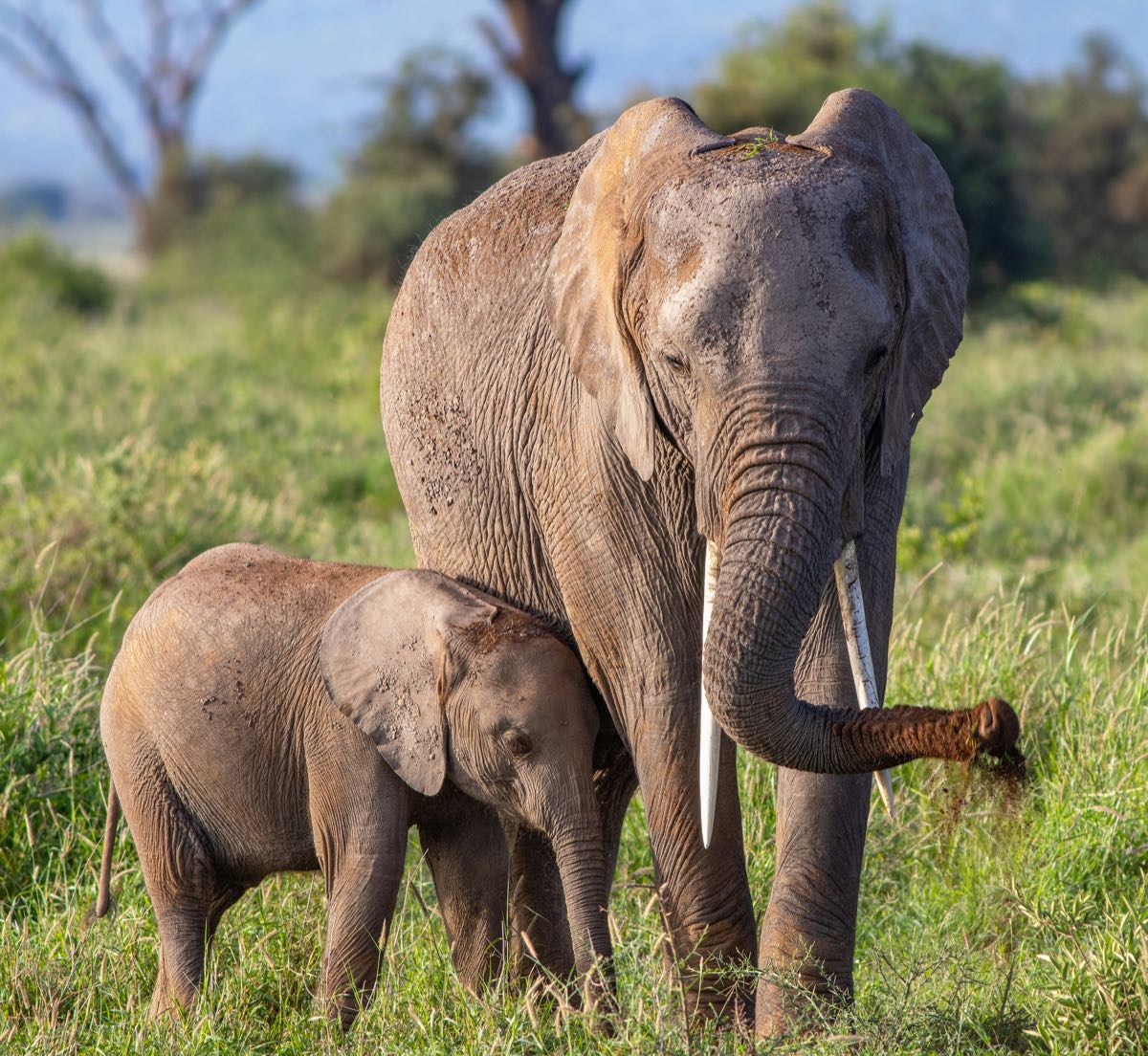
June is Kenya’s best-kept value secret. The long rains have ended, the Masai Mara’s roads have dried out, and the first wildebeest scouts from Tanzania’s Serengeti are crossing into the southern Mara - the leading edge of the Great Migration that will peak in July–August. Meanwhile, the Mara’s resident predator population is highly active after the lean wet season, and the landscape is a vivid green-gold unlike anything seen in the dusty peak migration months. Prices remain at 70–80% of July rates. Book June before other safari travellers realise it exists.
Dry Season Returns: Cool Nairobi Mornings and Green-Gold Mara Plains
| Region | Avg High | Avg Low | Rainfall | Notes |
|---|---|---|---|---|
| Nairobi | 22°C | 11°C | 55mm | Dry, cool - Nairobi’s mildest weather |
| Masai Mara | 24°C | 12°C | 45mm | Cool, dry; landscape still green |
| Amboseli | 26°C | 13°C | 60mm | Cool, dry |
| Samburu | 28°C | 16°C | 35mm | Warm and dry |
| Kenya Coast | 28°C | 21°C | 70mm | SE trade winds begin; rough seas |
| Mount Kenya (base) | 17°C | 7°C | 90mm | Some rain; trekking conditions improving |
June Wildlife & Seasonal Events Summary
| Event | Timing | Where |
|---|---|---|
| First wildebeest scouts enter the Mara | Late June | Southern Masai Mara |
| Resident predator activity picks up | All June | Masai Mara, Samburu, Amboseli |
| Migration herd building in Serengeti | All June | Northern Serengeti, Tanzania |
| Kitesurfing season opens | June | Diani Beach |
| Grevy’s zebra breeding | June | Samburu |
| Shoulder pricing window | June | Most safari properties |
The Wildebeest Scout Movement: What It Means and What to Expect
The Great Migration’s famous river crossings at the Mara River are a July–October event, but the movement into Kenya begins in June - and it is more interesting than most visitors realise.
How it works: The Serengeti wildebeest herd (approximately 1.5 million animals) moves continuously in a clockwise circuit. By May–June, the leading animals are pushing north as the Serengeti’s long grass is depleted after the dry season. The first scouts - usually small groups of 50–200 animals - enter the Mara’s southern corridors from late June. These leading groups test crossing points, attracting both resident Mara predators and crocodiles to the riverbanks.
What you see in June: Not the enormous river crossing events of July–August, but something different - small, quick crossings by advance groups, followed by intense predator activity as lions, cheetahs, and leopards engage with the arriving herds. The ratio of predator vehicles to wildebeest vehicles is dramatically better in June: the main crossing crowd has not yet arrived, but the wildlife activity is already building.
Why June suits photographers: The Mara landscape in June is green-gold - the dry season has returned but the rains’ grass growth is still vibrant. This green setting with wildebeest arrivals and active predators provides far more varied compositions than the dusty brown Mara of August.
Resident Mara Predators: High Activity After the Long Season
June is one of the Masai Mara’s best predator months. Lions, cheetahs, and leopards that have been working harder during the wet season’s dispersed prey now find wildlife reconcentrating as the dry season returns.
- Lions: June sees lion prides reassembling after the wet season. Family groups with young cubs from February–March births are now 3–4 months old and visible on game drives. Pride territorial disputes and morning hunts are common.
- Cheetahs: Cheetah activity is high in June as prey concentrates on the drying plains. Female cheetahs with cubs are regularly seen in the Mara Triangle and Olare Motorogi conservancy.
- Leopards: Less disrupted by the migration in June than in peak season, leopards are reliably found in the Mara River woodlands and rocky kopjes of the main reserve.
Resident Mara Grazers in June: Juvenile Cohort Matures as Dry Season Returns
June’s returning dry season reveals the full resident grazer population as the landscape shifts from green to gold. The four primary species - approximately 80,000 Burchell’s zebra, 30,000 Thomson’s gazelle, 30,000 impala, and 12,000 topi - are all present and in a specific mid-year life-stage that makes them highly visible on game drives.
Thomson’s gazelle (June): Fawns born in January–February are now 4–5 months old and nearly adult-sized, their spotted juvenile coat replaced by adult colouration. The 30,000-strong Mara resident population is well-distributed across the short-grass plains as dry conditions return - highly conspicuous from safari vehicles against the drying gold grass. June is not calving season for gazelle, but the strong young-of-year cohort moves actively alongside adult herds.
Impala (June): Lambs born in February–March are now 3–4 months old and largely weaned. Bachelor male herds re-form across the ecosystem as the breeding rut concludes. Impala remain the primary prey species for leopard year-round - June leopard activity near impala herds in the Mara River woodland and the rocky kopjes of the main reserve is reliably good.
Burchell’s zebra (June): Foals born in April–May are now 1–3 months old and still displaying brownish juvenile striping. June is when the first incoming migratory zebra scouts from Tanzania begin to overlap with the Mara’s resident herd - the total zebra count starts climbing. The resident population of approximately 80,000 animals ensures foal sightings remain regular throughout the month.
Topi (June): Adult topi are highly territorial in June as males defend areas ahead of the approaching October–November calving season. The Mara Triangle’s open plains are prime topi habitat - June game drives frequently encounter topi sentinels standing on termite mounds surveying the landscape. With approximately 12,000 topi in the ecosystem, they are among the most reliably seen large antelope on every Mara drive.
Kenya Coast in June: Kusi Season and Kitesurfers
The SE trade winds (kusi) arrive along the Kenyan coast in June and blow strongly through August. This makes the Indian Ocean rough for casual swimming and snorkelling at exposed beaches - but transforms Diani Beach into one of East Africa’s premier kitesurfing destinations.
- Kitesurfing at Diani: The kusi winds are consistent in June - typically 15–25 knots from the SE. Multiple kite schools operate from Diani Beach. June is the start of the main kitesurfing season.
- Lamu: More sheltered from the kusi than the open coast. June is a good month to visit Lamu Old Town - temperatures are manageable, tourist numbers are low, and the town is atmospheric in its quiet season.
- Watamu and Diani beach swimming: Not at their best in June - rough seas, choppy conditions. Snorkelling trips are weather-dependent.
Shoulder Pricing Before the July Rush: Best Value Window of the Dry Season
June remains shoulder pricing - below the July–September peak. Most lodges begin raising prices from late June in anticipation of the July demand surge. The first two weeks of June represent arguably the best value window in the entire dry-season calendar: excellent wildlife, green-gold landscape, and prices still at 70–80% of peak.
Search hotels in Kenya on Booking.com
Recommended Lodges for June: Masai Mara for the Scout Movement, Samburu for Reliable Game
Masai Mara:
- Governors’ Camp - sited directly above a major Mara River crossing point, Governors’ Camp is ideal for observing the first wildebeest scout groups as they test the river from late June. Vehicle-to-wildlife ratios are dramatically better than in July. Rates approximately USD 450–650/person/night full board, June shoulder. Search availability at Governors’ Camp
- Kichwa Tembo Tented Camp - conservation area camp in the Mara Triangle with 40 tents and established anti-predator tracking guides. June’s green-gold landscape and active resident predators make it an excellent month for photographers staying here. Rates approximately USD 350–500/person/night full board, June shoulder. Search availability at Kichwa Tembo
Samburu:
- Elephant Bedroom Camp - fully dry by June, with excellent road conditions and wildlife concentrated at the Ewaso Ng’iro River. 12-tent intimate camp with strong wildlife frontage and the Special Five reliably in range. June rates are mid-season - below the July peak and well below August. Rates approximately USD 380–520/person/night full board. Search availability at Elephant Bedroom Camp
Booking horizon: 4–8 weeks ahead is adequate for most June stays. This changes rapidly from July - booking 6+ months ahead becomes necessary for top lodges.
Best Parks in June: Masai Mara for the Buildup, Samburu for Reliable Heat
First choice: Masai Mara - the green-gold landscape, active resident predators, and first wildebeest scout arrivals combine to make June the Mara’s most underrated month. Far fewer vehicles than July. Browse Masai Mara tours for guided safari options including early-June shoulder departures.
Second choice: Samburu - fully dry by June. The Ewaso Ng’iro River is lower and wildlife density is high. Hot days (28–30°C) but cool mornings. The Samburu Special Five are reliably seen. Browse Samburu safari tours for June departures.
Coast: Lamu - sheltered from the kusi, Lamu is excellent in June. Temperatures are manageable, the Old Town is quiet, and dhow trips still operate.
June Costs: 70–80% of July Peak Rates with Comparable Dry Season Conditions
Safari costs (per person/night, full board):
- Budget tented camp, Masai Mara: approximately KES 12,000–20,000
- Mid-range lodge, Masai Mara: approximately KES 22,000–45,000
- Luxury conservancy: approximately USD 350–550
Nairobi costs:
- Budget guesthouse: approximately KES 2,500–5,000/night
- Mid-range hotel: approximately KES 8,000–16,000/night
- Meals (mid-range restaurant): approximately KES 800–1,500 per person
June delivers dry-season quality at approximately 70–80% of July–August peak rates. The wildlife is excellent, the predators are active, and the first wildebeest scouts are entering the Mara. One of the best value months in Kenya.
What to Pack: Warm Layers for 10°C Mara Mornings and a Windproof Jacket for the Coast
- Heavy fleece or warm layer - Mara mornings drop to 10–12°C at 6am in June
- Windproof jacket - the kusi at the coast requires an extra layer in the evenings
- Light daytime clothing - afternoons warm up to 22–28°C depending on region
- Good walking shoes for Hell’s Gate, Nairobi day trips, or any forest walks
- Sunscreen - UV remains high in cool conditions
FAQs
Is June a good time to visit Kenya for safari? Yes - one of the most underrated months. The dry season has returned, wildlife is concentrating, the first wildebeest scouts are arriving, and prices are 20–30% below July peak. The main limitation is the coast - rough seas from the kusi wind reduce beach appeal.
Does the migration happen in June? The main river crossings begin in July. In June, the first wildebeest scouts enter the southern Mara from Tanzania. The resident Masai Mara wildlife - lions, elephants, cheetahs, leopards - is excellent in June regardless of migration timing.
What is the kusi wind? The SE trade winds (kusi) blow June–August along the Kenyan coast. They create rough conditions for swimming and snorkelling at exposed beaches but are ideal for kitesurfing and windsurfing at Diani.
For the full monthly breakdown, see our best time to visit Kenya guide. Our Masai Mara safari guide covers the June wildlife season. Our Great Migration Kenya guide explains the July build-up that starts in late June. For accommodation options in the Mara, see our Masai Mara where to stay guide.
Plan Your Trip
June is the sweet-spot month that experienced Kenya travellers know about and first-timers miss. The long rains have ended, the Mara’s roads are dry, and the first wildebeest scout herds are crossing from the Serengeti - the opening chapter of the migration at 70–80% of July prices. Lamu is an excellent add-on in June: sheltered from the kusi winds, the Old Town is quiet and dhow trips still operate from the waterfront. Book flights to Kenya and travel insurance at least 6 weeks ahead - June is filling up as more travellers discover it. An eSIM covers Nairobi, the Mara, and the coast; car hire is practical for the Nairobi–Amboseli road.