For a full year overview, see our best time to visit Kenya guide.
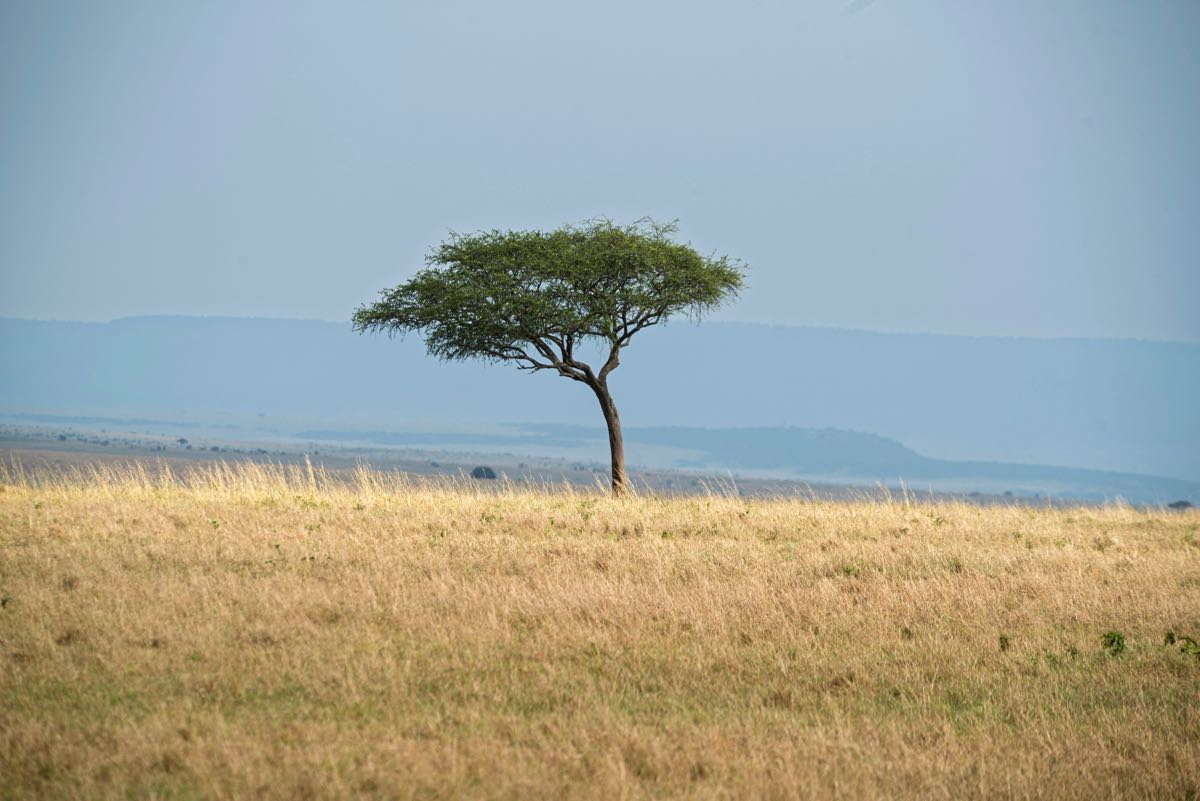
January is one of the best months to visit Kenya. The country is in the dry season - the “short dry” between the end of the short rains (November) and the long rains (March–April). Wildlife concentrates at water sources, roads are in good condition, and skies are generally clear.
Weather in January
| Region | Avg High | Avg Low | Rainfall | Notes |
|---|---|---|---|---|
| Nairobi | 25°C | 13°C | 60mm | Cool mornings, warm days, occasional shower |
| Masai Mara | 27°C | 15°C | 50mm | Warm, dry, some afternoon cloud |
| Amboseli | 30°C | 16°C | 45mm | Hot and dry; best Kilimanjaro visibility |
| Samburu | 32°C | 18°C | 25mm | Hot and dry |
| Kenya Coast | 32°C | 24°C | 30mm | Warm, sunny, calm Indian Ocean |
| Mount Kenya (base) | 18°C | 8°C | 70mm | Cool with some rain; summit below 0°C at night |
Wildlife in January
Masai Mara: The resident wildlife - lions, elephants, leopards, cheetahs - is excellent year-round. January is not migration month (the wildebeest are in Tanzania’s Serengeti), but sightings of the resident population are very good with dry conditions concentrating animals.
Amboseli: January is peak season for Kilimanjaro views - the mountain is most frequently clear in January–February, typically visible from 6–9am before cloud builds. Elephant herds concentrate around the swamp.
Samburu: Hot and dry in January - ideal conditions. The Special Five are reliably seen at the Ewaso Ng’iro River.
Kenya Coast: January is part of the whale shark season (October–March) at Watamu and Diani/Chale. Warm, calm Indian Ocean. Turtle nesting season.
January Events and Festivals
- Lamu Cultural Festival (check exact dates, usually January) - traditional dhow races, Swahili dance, and food.
- Nairobi Fashion Week - typically January; check exact dates.
Crowds and Pricing
January is a shoulder month - quieter than July–September (peak migration season) but not the lowest-price period. Most lodges are mid-season rate. Good availability for Masai Mara accommodation.
Search hotels in Kenya on Booking.com
Book: 4–8 weeks ahead is usually adequate for most destinations in January. Lamu and upmarket Mara lodges still benefit from earlier booking.
Best Activities in January
- Amboseli for Kilimanjaro shots - January morning light with Kilimanjaro is Kenya’s most iconic photography moment
- Whale shark snorkelling at Watamu or Diani - peak season
- Samburu game drives - dry, hot conditions mean animals are at the river
- Lamu Old Town - cool enough to walk comfortably; not too crowded
Where to Go in January
First choice: Amboseli - statistically the clearest month for Kilimanjaro views. Elephant herds at the swamp with the mountain backdrop is Kenya’s most photographed scene. Book early morning game drives (6–9am) before cloud builds. Combined with one or two days in Nairobi, this makes an excellent 5-night trip. See Amboseli tours for guided options.
Second choice: Samburu - hot, dry, and reliably excellent in January. The Ewaso Ng’iro River is low, concentrating wildlife on its banks. The Special Five (Grevy’s zebra, Somali ostrich, reticulated giraffe, Beisa oryx, gerenuk) are reliably seen.
Coast: Diani or Watamu - January is part of the peak beach season. Calm Indian Ocean, whale shark season active, warm temperatures (32°C), minimal rain. A Nairobi safari followed by 3 nights Diani or Watamu is an excellent two-week Kenya combination.
January Budget Guide
Safari costs (per person/night, full board):
- Budget tented camp, Amboseli: approximately KES 12,000–22,000
- Mid-range lodge, Amboseli: approximately KES 25,000–50,000
- Luxury lodge, Amboseli: approximately USD 350–650
Coast costs (Diani or Watamu):
- Budget guesthouse: approximately KES 3,000–7,000/night
- Mid-range beach hotel: approximately KES 10,000–22,000/night
- Whale shark trip: approximately USD 50–80/person (half day)
Nairobi costs:
- Budget guesthouse: approximately KES 2,500–5,000/night
- Mid-range hotel: approximately KES 8,000–18,000/night
- Meals (mid-range restaurant): approximately KES 800–1,500 per person
January is mid-season pricing - above the green season lows (April–June) but below the July–September migration peak. Most lodges charge approximately 80–90% of their peak rates.
What to Pack for January
- Light, breathable clothing for daytime heat
- Warm layer for early morning game drives (Mara and Samburu mornings can be 12–15°C)
- Sunscreen (high SPF - UV is intense)
- Dust cover for cameras (dry season = dust in all parks)
- Swimwear for the coast or lodge pools
- Lightweight long-sleeve shirts for sun and evening mosquito protection
FAQs
Is January a good time to visit Kenya? Yes - one of the better months. Dry season conditions, excellent wildlife, reasonable prices. The Kilimanjaro views from Amboseli and whale sharks at the coast both peak in January–February.
Are there crowds in January? January is quieter than the July–August peak. The Christmas/New Year visitors have largely departed by early January. Availability is generally good with 4–6 weeks advance booking.
Is the Masai Mara worth visiting in January without the migration? Yes. The resident wildlife - lions, elephants, cheetahs, leopards, buffalo - is excellent year-round. The migration is the defining event but the Mara is Africa’s most productive wildlife ecosystem even outside migration season.
For the full monthly breakdown, see our best time to visit Kenya guide. Our Masai Mara safari guide and Amboseli guide cover the parks that shine brightest in January. For accommodation, see our best safari lodges Kenya guide.
Plan Your Trip
✈️ Book your flights to Kenya 🛡️ Get travel insurance 📱 Stay connected with an eSIM 🚗 Rent a car