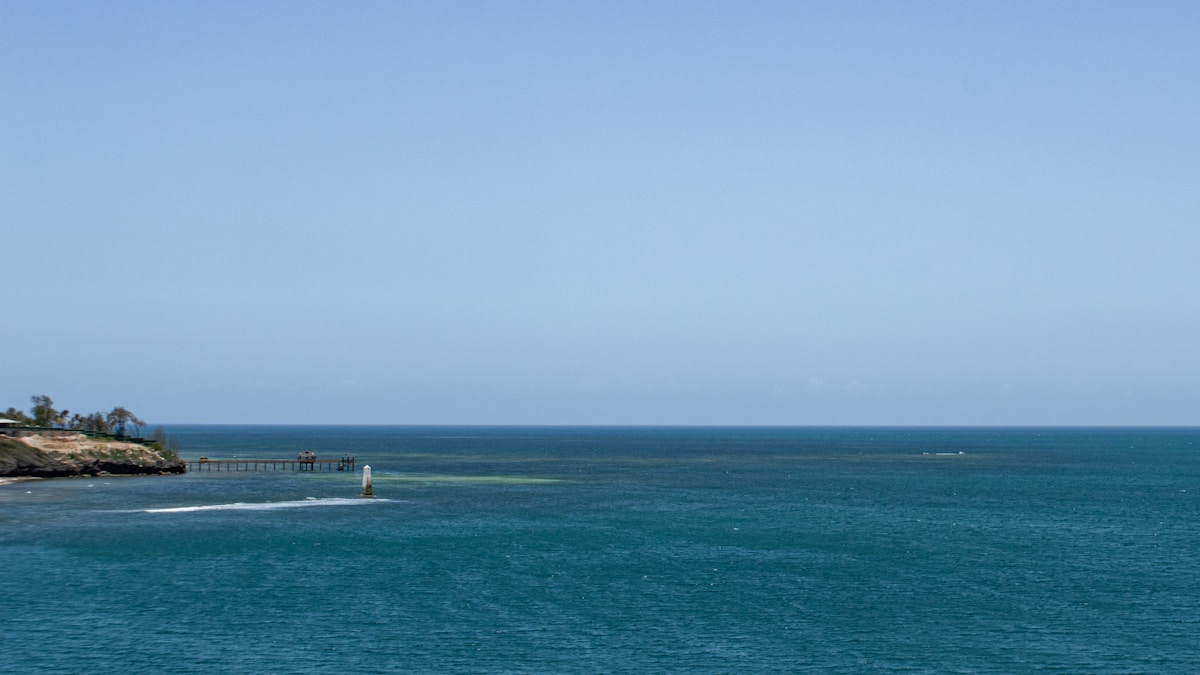
July marks the peak of the Indian Ocean’s settled season along Kenya’s northern coast, and at Watamu Marine National Park, that translates into some of the clearest water and most reliable marine wildlife sightings of the year. The park - a UNESCO Biosphere Reserve stretching 10 km of coastline north of Malindi - protects one of the most intact coral reef systems on the East African coast, and July conditions give divers and snorkellers the best access to it.
Why July Is the Right Month
The southeast trade winds (kusi) have softened by July into a gentle swell pattern that keeps the water at Watamu calm and workable for boat trips. Visibility on the reef typically reaches 15–20 metres, and the water temperature sits at 24–26°C - comfortable for extended snorkelling without a wetsuit.
The major seasonal highlight is the whale shark. These filter-feeding giants - the world’s largest fish, reaching 12 metres or more - concentrate along the Kenyan coast from June through September, drawn by plankton blooms associated with the monsoon transition. Watamu’s marine operators run dedicated whale shark encounters, guided by spotter boats that track the animals’ movements. Encounters are not guaranteed, but the June–September window is when they are most frequent. Interactions are conducted to responsible tourism guidelines: snorkel-only, no touching, minimum approach distances observed.
The Reef and What Lives on It
Beyond whale sharks, the park’s reef system holds significant populations of green and hawksbill turtles - both nest on the beaches within the protected zone. Snorkellers can expect encounters with reef fish: parrotfish, surgeonfish, triggerfish, and schools of smaller species around the coral heads. The rocky outcrops at Blue Lagoon and Watamu Bay support octopus, moray eels, and lionfish in the crevices.
The park’s best snorkelling sites are accessible by boat from Watamu beach: the Glass Bottom Boat Channel, Blue Lagoon, and the outer reef wall. Most operators include park entry, boat transfer, and snorkelling equipment in their packages. Full scuba diving is also available through PADI-certified operators based in the village.
Getting to Watamu
Watamu sits 105 km north of Mombasa and 15 km south of Malindi. The most straightforward route from Nairobi is a flight to Malindi Airport (approximately one hour) followed by a 20-minute taxi south to Watamu. Malindi also has regular bus connections from Mombasa (3–4 hours by road), from where matatu connections run to Watamu.
The village has a range of accommodation from budget bandas to mid-range beach lodges, mostly catering to the diving and marine wildlife market. It functions as a quieter, more community-focused alternative to the resort coast further south. For accommodation and orientation in the area, see our Watamu guide. The nearby fishing town of Malindi offers a complementary stop with its own old town, Portuguese history, and market - our Malindi guide has the details. For those combining a coastal stay with a safari inland, our Mombasa guide covers onward connections to Tsavo East and the Kenya coast hub.