Booking a Kenya safari through a reputable operator costs less than assembling the same trip independently - permits, vehicles, and accommodation are bought in bulk - but the quality gap between operators at the same stated price is wide. This guide covers how to assess any operator before booking, what each price tier actually delivers on the ground, and which circuits to consider based on how much time you have.
How to Assess a Kenya Safari Operator
Licensing and Membership
Two credentials matter above all others. The first is registration with the Kenya Tourism Board (KTB) - the national tourism regulator, which licences all tour operators legally allowed to sell packages to visitors. The second is membership of the Kenya Association of Tour Operators (KATO) - the industry body that sets operational standards and handles dispute resolution. Both databases are publicly searchable online.
Operators licensed by KTB and active in KATO have passed baseline competency and insurance requirements. Operators not on either list should be treated with caution regardless of review volume.
Vehicle Type and Group Size
The standard Kenya safari vehicle is an open-roof 4x4 Toyota Land Cruiser or similar - pop-up roof for 360° visibility, seating for 6–8 passengers. A reputable operator puts a maximum of 6 passengers per vehicle. Eight is workable. More than eight means window seats are not guaranteed, and the vehicle becomes difficult to manoeuvre to optimal viewing positions.
Budget operators sometimes use minibuses - enclosed, high-roofed but windowless-roof vans that fit 10–14 passengers. Window seats are a lottery and standing to look through the roof hatch is tiring. If a quoted price seems significantly below market, confirm vehicle type before booking.
Guide Certification
Every guide operating in Kenya’s national parks must hold a KWS guide certificate - the government-issued credential verifying that the guide has passed the Kenya Wildlife Service’s knowledge and conservation standards exam. Ask directly. Reputable operators list guide certifications on their websites; smaller ones will provide them on request. Uncertified guides are not permitted to operate in parks and are not covered by the operator’s liability insurance.
What’s Actually Included
Budget and mid-range operators vary significantly in what “all-inclusive” means. Always confirm in writing that the quoted price includes:
- KWS/conservancy park entry fees (USD 70–100 per adult per 24 hours in Masai Mara)
- All meals from arrival to departure
- Accommodation
- All game drives listed in the itinerary
- Transfers to and from Nairobi (road or airstrip, as specified)
Exclusions that are normal and expected: balloon safaris (USD 480–550 per person), cultural village visits (USD 25–40 per person), tipping (USD 10–20 per guide per day is standard), and alcoholic beverages.
Safari Packages by Price Tier (2026)
Budget Tier: USD 130–170 per person per day
All-inclusive budget group safaris from reputable operators run approximately USD 130–170 per person per day on a shared-vehicle basis. A 3-day Masai Mara package in this tier costs from around USD 400–500 per person - this is the entry price for a vehicle with a certified guide, park fees, accommodation in a mid-grade tented camp, and all meals.
What you get: a 4x4 vehicle (sometimes shared with up to 7 others), a KWS-certified guide (quality varies - check individual guide reviews on GetYourGuide and TripAdvisor), accommodation in a mid-grade camp such as Mara Sopa Lodge or Sentrim Mara, and full board. Morning and afternoon game drives are included; early-morning drives (departing 05:30) sometimes require an upgrade fee.
What you don’t get: private vehicle time, off-road game drives in conservancy areas, premium camp locations adjacent to water sources or migration routes, or guaranteed Big Five sightings in a short window.
Best for: First-time visitors who want to see the Mara without optimising every detail, travellers on strict budgets, solo travellers who want company in the vehicle.
Mid-Range Tier: USD 300–500 per person per day
Mid-range packages run USD 300–500 per person per day and typically offer a choice between shared and private vehicles. In this bracket, private vehicle upgrades are often available at a relatively modest premium over group rates because the base accommodation cost is already higher.
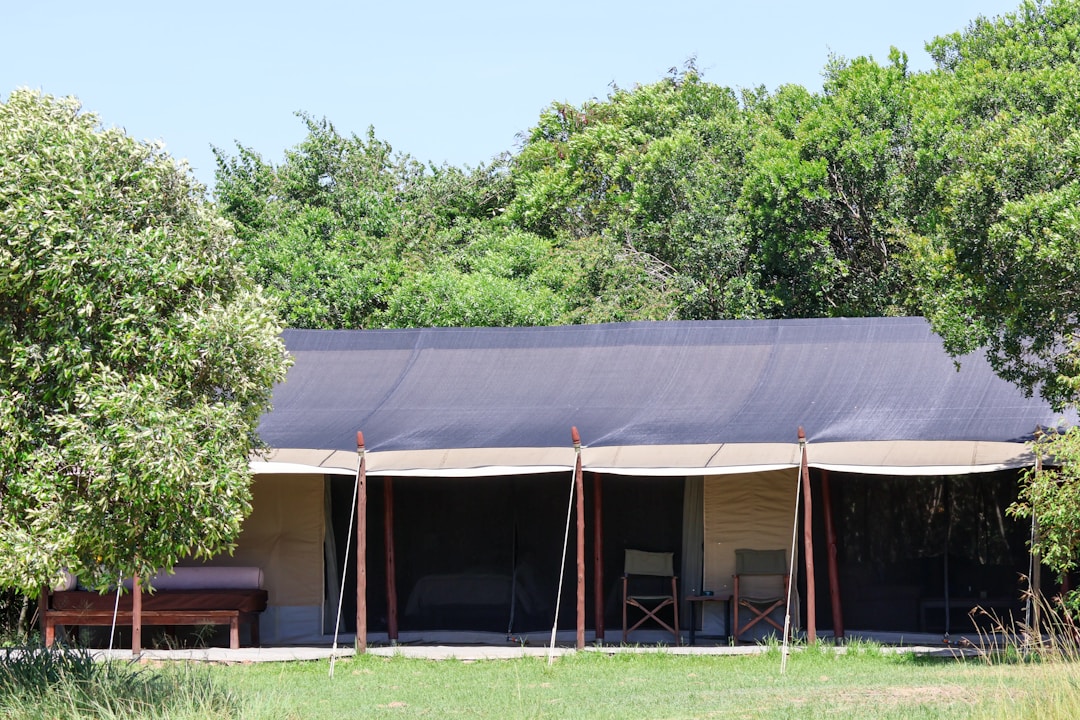
Accommodation steps up to lodges or permanent tented camps with proper facilities - en-suite bathrooms, hot water, pool, WiFi, and a restaurant. Examples in the Masai Mara: Mara Serena Safari Lodge (cliff-edge position above the Mara River, USD 350–500 per person per night including meals and two game drives), Keekorok Lodge (inside the Mara reserve, one of the oldest lodges in the ecosystem), and Ol Seki Hemingways Mara (private conservancy access, excellent guide-to-guest ratio).
A 5-day Masai Mara and Amboseli combination in this tier - road transfers, 2 nights Mara, 2 nights Amboseli, private vehicle - typically prices at USD 2,000–3,000 per person depending on flight vs road transfers and lodge selection.
Best for: Couples, small groups, anyone who wants consistent comfort without luxury pricing, and travellers who want private vehicle flexibility without paying luxury rates.
Luxury Tier: USD 700–1,500+ per person per day
The top end of the Kenya safari market - USD 700–1,500+ per person per day - delivers a different kind of experience: small exclusive camps with 8–16 guests total, private-vehicle-only game drives that operate on your schedule, guides who specialise in specific ecosystems, and access to private conservancies where vehicles can go off-road and night drives are permitted.
Camps like Angama Mara (cliffside above the Mara Triangle, USD 1,400+ per person per night in peak season), Mahali Mzuri (Richard Branson’s Virgin Limited Edition property in Olare Motorogi Conservancy, USD 1,200+ per person), and &Beyond Bateleur Camp (Kichwa Tembo Conservancy, USD 900+ per person) sit on prime conservancy land adjacent to or inside the migration corridor. The conservancy model matters: guests pay conservancy fees that fund anti-poaching and Maasai community land deals - the land is leased from Maasai families rather than fenced national park.
Bush walks with armed rangers (not permitted inside national parks), night drives, and cultural interaction with the Maasai community that manages the land are included as standard at most luxury properties.
A 7-day luxury Masai Mara circuit with two nights Nairobi and five nights in a conservancy camp runs USD 8,000–15,000 per person in peak season (July–October). Off-peak (November–June) rates drop 25–40%.
Best for: Travellers prioritising wildlife access over cost, honeymoons, repeat visitors who have done the classic circuit and want depth, and those who want to combine safari with conservation impact.
Kenya Safari Circuits
Circuit 1: Masai Mara + Amboseli (Classic Southern Kenya)
Duration: 5–8 days | Best for: First-time visitors
This is the default Kenya safari circuit and the most well-tested for good reason. The Masai Mara National Reserve covers 1,510 sq km of open savannah in southwest Kenya - the Kenyan side of the Greater Serengeti-Mara ecosystem. Lion prides, leopard, cheetah, elephant, buffalo, and hippo are resident year-round. July to October brings the Great Migration - approximately 1.5 million wildebeest and 400,000 zebra cross from Tanzania, and the Mara River crossings are the peak wildlife spectacle in Africa.
Amboseli National Park lies 360 km southeast, under Mount Kilimanjaro’s north face. Amboseli is Kenya’s best elephant park: herds of 50–80 animals are photographed against the Kilimanjaro snowcap, and the swamp areas hold reliable concentrations of buffalo, hippo, and waterfowl. The mountain is clearest October–February. Big Five sightings are possible, but Amboseli’s lion population is smaller than the Mara’s.
Typical itinerary: fly Nairobi–Masai Mara (45 minutes, USD 200–250 one-way), 2–3 nights Mara, road transfer to Amboseli (3.5 hours), 1–2 nights Amboseli, road transfer Amboseli–Nairobi (4 hours via Namanga highway).
Circuit 2: Northern Kenya (Samburu + Ol Pejeta + Laikipia)
Duration: 5–8 days | Best for: Repeat visitors, northern specials, rhino
The Northern circuit covers three very different ecosystems north of Mount Kenya and delivers endemic wildlife not found in the south. Samburu National Reserve in the dry semi-arid north holds reticulated giraffe, Grevy’s zebra, beisa oryx, Somali ostrich, and gerenuk - the “northern specials” that can only be seen in this ecosystem. Elephant and lion are also present, but the draw is the exclusivity: far fewer visitors than the Mara.
Ol Pejeta Conservancy in Laikipia is Kenya’s most important rhino sanctuary - the largest black rhino population in East Africa and the last two northern white rhinos alive. The conservancy also holds chimpanzees rescued from central Africa, unusually large lion prides, and excellent general game. Guided walks and night drives are permitted.
Laikipia Plateau surrounding Ol Pejeta is a mosaic of private ranches and community conservancies - Lewa Wildlife Conservancy, Borana Conservancy, and Mugie Conservancy - that together protect Kenya’s third-largest wildlife population. Walking safaris and horse safaris are available here; the flat-roof minibus does not operate in this circuit.
Typical itinerary: road Nairobi–Nanyuki–Samburu (5 hours), 2 nights Samburu, road Samburu–Ol Pejeta (2 hours), 1–2 nights Ol Pejeta, road Ol Pejeta–Nairobi (3 hours).
Circuit 3: Safari and Coast Combo (Masai Mara + Diani or Watamu)
Duration: 7–10 days | Best for: Couples, post-safari recovery, honeymoons
The coast extension transforms a standard safari into a two-ecosystem holiday - four or five days of wildlife in the interior followed by three or four days at the coast. Diani Beach (2.5 hours south of Mombasa) is the most developed option: 20 km of white coral sand, warm Indian Ocean water at 27–29°C year-round, and a well-established resort strip with all budget categories covered. Watamu on the north coast is smaller, quieter, and sits adjacent to Watamu Marine National Park - rated among East Africa’s best snorkelling and diving sites.
Flight routing for this circuit: Nairobi–Masai Mara (flight, 45 min) → Masai Mara–Mombasa (direct charter, approximately 1 hour) → Mombasa–Nairobi (flight, 1 hour) for the international departure. Road transfers are possible but add significant time - the Mombasa highway is a 5–7 hour drive from Nairobi in good conditions.
Combined packages - 3 nights Masai Mara, 4 nights Diani - start at approximately USD 2,500–3,500 per person in the mid-range tier. Luxury versions with Angama Mara and a Diani resort jump to USD 6,000+ per person.
Booking via GetYourGuide
GetYourGuide lists verified safari operators with real customer reviews and transparent pricing for Masai Mara packages. All bookings include free cancellation up to 24–48 hours before departure (check individual listing terms). Prices on GYG represent the going market rate for group safaris in the budget-to-mid-range bracket - private upgrades are quoted directly with operators after initial contact.
Use GYG to benchmark prices and read recent guide-specific reviews before committing to any operator - the platform’s review system distinguishes between vehicle quality, guide knowledge, and accommodation standards, which is more granular than aggregate hotel ratings.