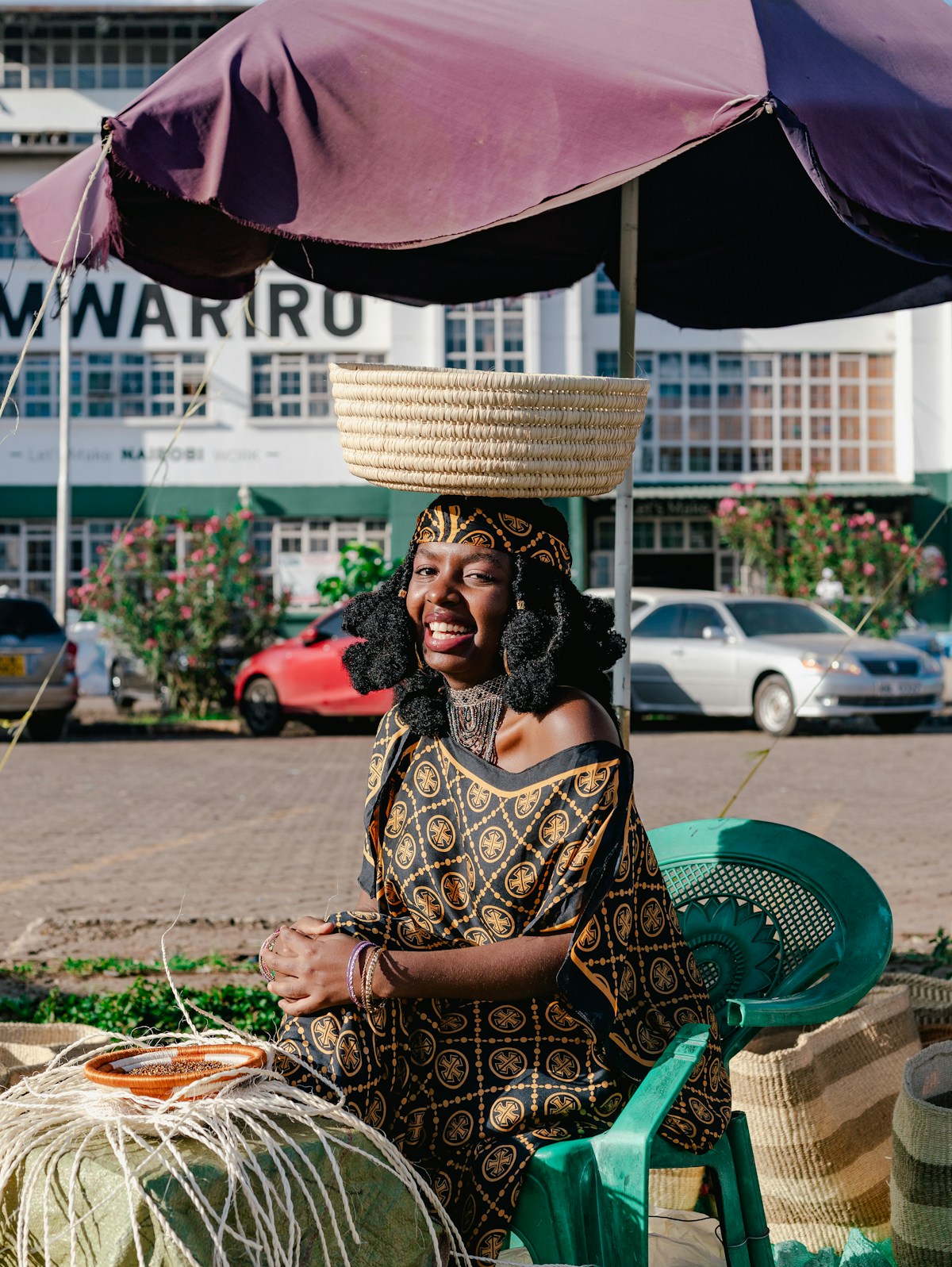
The food in Garissa is not Kenyan in the way that Nairobi or Mombasa or the highlands are Kenyan. It is Somali-Kenyan: a distinct culinary tradition shaped by pastoralism, by Islamic food practice, by trade connections to the Somali coast, and by centuries of life in an arid landscape where camel, goat, and rice are the foundations of the diet. For visitors coming from Nairobi or the safari circuits, eating in Garissa is a genuine cultural shift - not a compromise, but a genuinely different food world.
Alcohol is absent from the Garissa food scene. The town is predominantly Muslim and the restaurants, tea houses, and market stalls do not serve it. This is not a restriction that affects the quality of the food or the experience of eating here - it is simply the character of the place.
Suqaar: The Dish That Defines Garissa’s Restaurants
Suqaar is the most common restaurant dish in Garissa and the best introduction to Somali-Kenyan cooking. It is made from finely diced meat - goat is most common, followed by camel and beef - stir-fried quickly in a hot pan with onions, garlic, tomatoes, and a spice blend that typically includes cumin, coriander, turmeric, and black pepper. The result is fragrant, savoury, and moist.
Suqaar is served with rice - long-grain, lightly spiced, often cooked with a little oil - or with chapati, or sometimes both. A full plate of suqaar with rice at a local restaurant in Garissa’s market area costs approximately KES 250–400 / US$1.90–3.00 as of 2026. At Nomad Palace’s restaurant, expect to pay approximately KES 500–800 / US$3.75–6.00 for a similar dish in a more formal setting.
Order suqaar of goat (mbuzi) for the most locally sourced, flavourful version. Camel suqaar has a slightly richer, more intense flavour and is worth trying if available.
Camel Milk
Camel milk is the single most distinctive food product of Garissa and northeastern Kenya, and if you are here you should try it. The taste is subtly different from cow’s milk: slightly saltier, thinner in texture, with a mild tang. Some people describe a faintly sweet note; others find it entirely neutral. It is universally described as easier to digest than cow’s milk.
Camel milk is sold in several forms in Garissa:
Fresh from the market: The early morning livestock market area has vendors selling camel milk directly, poured from gourds or thermos flasks. Fresh camel milk bought close to source at a busy market is generally safe. KES 50–100 / US$0.38–0.75 for a glass as of 2026.
In tea houses: Some tea houses in the market area make chai with camel milk instead of or alongside cow’s milk. The result is a lighter, slightly different-tasting chai that is excellent.
From street vendors: Vendors with insulated flasks sell camel milk warm around the town. The cleanliness of the flask matters - buy from vendors with obvious turnover and a clean setup.
Camel milk is high in vitamin C and lower in fat than cow’s milk. In northeastern Kenya it is not a novelty - it is a staple, particularly for Somali and Borana communities.
Rice Dishes: The Base of Somali-Kenyan Cooking
Rice is the carbohydrate foundation of Garissa’s food in a way that ugali (maize porridge) is in highland Kenya. Bariis iskukaris - Somali-style rice cooked with spices, sometimes with raisins and onions fried in oil - is the celebratory version, fragrant and rich. Everyday restaurant rice is plainer: long-grain white rice cooked simply as a vehicle for the protein dish alongside it.
Hilib ari (goat stew, slow-cooked until tender) is another reliable main dish. Unlike suqaar’s quick stir-fry, hilib ari takes time and develops a deeper, gelatinous sauce. It is common in restaurants that do midday and evening service, less common for breakfast.
Laxoox is a Somali fermented flatbread - thinner than Ethiopian injera, with a slightly milder sourness and a spongy texture from the fermentation. Some Garissa restaurants serve it as an alternative to chapati. It is worth trying as a contrast to the rice dishes.
Sambusa
Sambusa are fried pastries stuffed with spiced ground meat, onions, and sometimes herbs - the Somali version of the South Asian samosa that has become ubiquitous across the Horn of Africa. In Garissa they are sold at market stalls and small restaurants throughout the day for approximately KES 30–60 / US$0.22–0.45 each as of 2026.
Sambusa are best eaten fresh from the fryer - the pastry is crisp and the filling still hot. Street sambusa vendors typically fry in batches and have a quick turnover. They are a practical and satisfying snack for the mid-morning hours before the heat of the day makes appetite disappear.
Tea Houses and Chai Culture
Tea houses are the social infrastructure of Garissa. They operate from before dawn - when the first prayer is before sunrise - through the day and into the evening. They serve as meeting places, rest stops, and the quiet centres of daily commercial life.
The standard drink is chai: black tea brewed strongly and mixed with milk and sugar. In Garissa, chai is often made with camel milk, giving it a distinctive character. A glass costs KES 30–70 / US$0.22–0.53 as of 2026.
Many tea houses also serve mandazi (fried dough, slightly sweet), mahamri (a coconut-flavoured fried bread common on the Swahili coast and in the northeast), and dates. Dates are a culturally significant food in Somali tradition, and good-quality dates are available at market stalls throughout Garissa.
Eating Hours and Ramadan
Garissa’s restaurants follow a schedule shaped by Islamic practice. The main meal of the day is lunch - typically 12:30–2pm - and most restaurants offer their full menu at this time. Dinner service runs from around 7pm onward.
During Ramadan, restaurants in Garissa either close in the daytime or significantly restrict service to non-fasting visitors. Iftar (the evening meal breaking the fast) is a communal, generous occasion - if you have local contacts or are invited to an iftar meal during Ramadan, it is one of the most distinctive food experiences available in northeastern Kenya.
Practical Notes
Budget KES 500–800 / US$3.75–6.00 per day for food if eating entirely at local market restaurants. International visitors eating at Nomad Palace for some meals should budget KES 1,200–2,000 / US$9–15 per day.
The food in Garissa is genuinely good - the Somali culinary tradition is well-developed and the local ingredients (fresh goat, camel milk, aromatic rice) are high quality. The unfamiliarity of the cuisine for most visitors is part of what makes eating here worthwhile.
For the full Garissa city guide, see the Garissa city guide. For accommodation options, see our Garissa hotels guide. For the broader Kenyan food culture, see our Kenyan cuisine guide. For travellers visiting Kenya’s more accessible parks and safaris, guided Kenya tours cover circuits from Nairobi through to the northern reserves.