Travel Advisory: Before reading further, check current UK FCDO guidance at gov.uk/foreign-travel-advice/kenya and US State Department guidance at travel.state.gov. Parts of northeastern Kenya, including the area around Garissa, have carried “advise against all but essential travel” designations due to terrorism risk from cross-border activity. The security situation changes. These advisories must be read and assessed immediately before any travel planning. We do not recommend travelling to Garissa without consulting current official guidance.
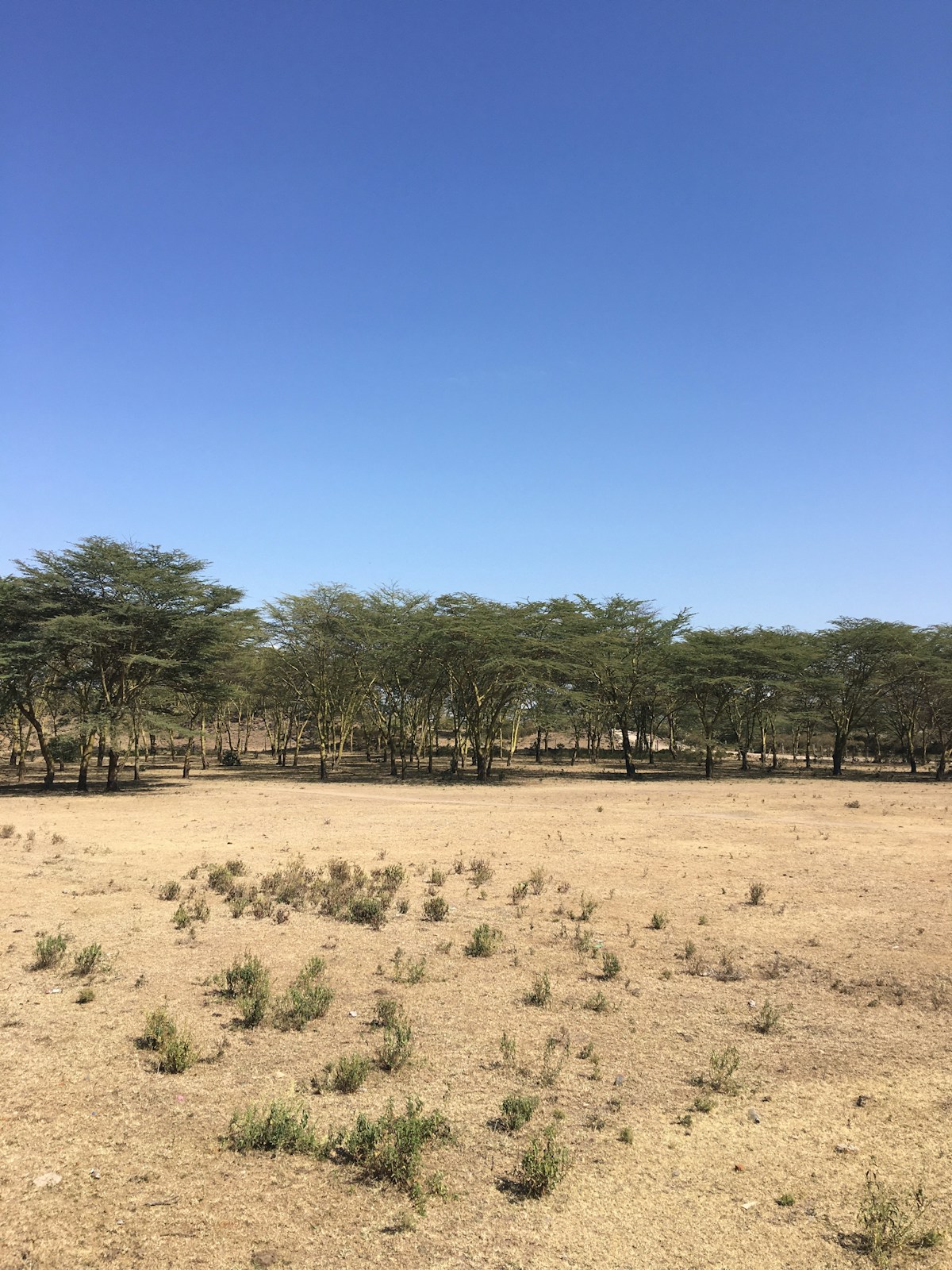
Garissa is unlike anywhere else in Kenya. Sitting at 133m altitude on the banks of the Tana River - Kenya’s longest, running approximately 1,000km from the Aberdare Mountains to the Indian Ocean - it is a flat, arid town where temperatures regularly reach 35–42°C and the cultural character is firmly Somali-Kenyan rather than the Bantu East African mainstream. The town is 367km northeast of Nairobi by road, capital of Garissa County, and a significant regional centre for trade, livestock, and administration in a part of Kenya that most international visitors never see.
For those who do have reason to be here - researchers, aid workers, journalists, official visitors, or travellers with essential business connections - Garissa offers a genuinely distinct window into a Kenya that diverges sharply from the safari circuits and the coast. What it does not offer is conventional tourist infrastructure. This is not a complaint - it is simply the character of the place.
The Tana River
The Tana River is the defining feature of Garissa and the reason the town exists where it does. The river was the historical crossing and trading point connecting the interior of Kenya to the Somali hinterland and the coast, and even today the town’s commercial life clusters around the river crossing.
The Tana at Garissa is wide, slow, and brown - carrying its load of red highland soil from the Aberdares down toward the coast. In the early morning and late afternoon, the riverbanks are busy with local activity: fishermen with nets, women washing clothes, children, and livestock being watered. Sitting at the riverside in the relative cool of early morning is one of the more genuinely absorbing ways to spend time in Garissa - it is not a tourist activity, simply a quiet observation of daily life on Kenya’s longest river.
The river also carries crocodiles. Keep a safe distance from the water’s edge.
Garissa Market
Garissa’s main market is a daily operation, with the livestock section most active in the early morning. The market reflects the town’s position as a regional trading hub - goods come in from Nairobi to the west, from the Somali border to the northeast, and from the coast road to the southeast.
The livestock market handles significant volumes of camels, goats, and cattle. Garissa is one of the main livestock-trading centres in northeastern Kenya, and the camel market in particular is striking in scale and character. Most of the trade is conducted in Somali with some Swahili.
The general market covers food, clothing, household goods, and electronics. The merchandise reflects both formal Kenyan supply chains and informal cross-border trade that characterises this part of the country. Prices for most goods are lower than in Nairobi.
The Somali-Kenyan Character of Garissa Town
Walking the streets of Garissa gives an immediate sense of being in a different cultural zone from most of Kenya. Women in colourful diric dresses and hijab, the sound of Somali conversations, the smell of incense from tea houses, and the architecture of the town - flat-roofed buildings suited to arid heat - all diverge sharply from highland Kenya.
The Garissa Old Town area near the market has some of the most characterful streets in the northeast, with a density of tea shops, fabric merchants, and small restaurants serving suqaar and rice. This is not a heritage district with signage - it is a working commercial area. Respectful observation is welcomed; overt photography of people without asking permission is not.
Garissa is a predominantly Muslim town, and the rhythm of the day follows Islamic practice. The five daily prayers bring a pause to commercial activity, and during Ramadan the daily schedule shifts significantly - restaurants operate on restricted hours in daylight.
Tana River Primate National Reserve
Approximately 200km south of Garissa, near the towns of Galole and Hola, the Tana River Primate National Reserve protects two primate species found nowhere else in the world: the Tana River mangabey (Cercocebus galeritus) and the Tana River red colobus (Piliocolobus rufomitratus). Both are critically endangered, with wild populations estimated in the hundreds.
This is not a general visitor destination. The reserve has very limited infrastructure, access requires Kenya Wildlife Service (KWS) permits arranged in advance, and the journey from Garissa is on roads that require local knowledge and a reliable 4WD vehicle. Researchers, wildlife photographers, and serious conservationists form virtually the entire visitor base.
For those with genuine purpose in visiting, contact KWS Nairobi directly at kws.go.ke to discuss permits and access arrangements before making any plans. The reserve’s importance to global primate conservation is exceptional - both species are among the most threatened primates in Africa.
Practical Realities of Visiting Garissa
Garissa gets extremely hot. Average temperatures of 35–42°C mean outdoor activity in the midday hours is genuinely uncomfortable and potentially dangerous for those unacclimatised to arid heat. Movement is most practical between 6–9am and after 4pm.
The road from Nairobi takes 5–6 hours via the Thika–Mwingi road. Bus services operate this route for approximately KES 700–1,000 / US$5.25–7.50 as of 2026. The road is mostly paved but has significant deteriorated sections. Fly-in options are limited; check current charter flight availability from Wilson Airport, Nairobi.
There is almost no formal tourism infrastructure in Garissa. The town is not set up for visitor services in the way that Nairobi, Mombasa, Kisumu, or even smaller highland towns are. Travellers with essential reasons to visit should plan independently and arrive with contacts on the ground.
For the full Garissa city overview, see the Garissa city guide. For accommodation, see the Garissa hotels guide. For Kenya safety advice for northeastern Kenya, see our is Kenya safe guide. Travellers looking for safaris in Kenya’s accessible northern parks such as Samburu can book guided Kenya tours before arriving.