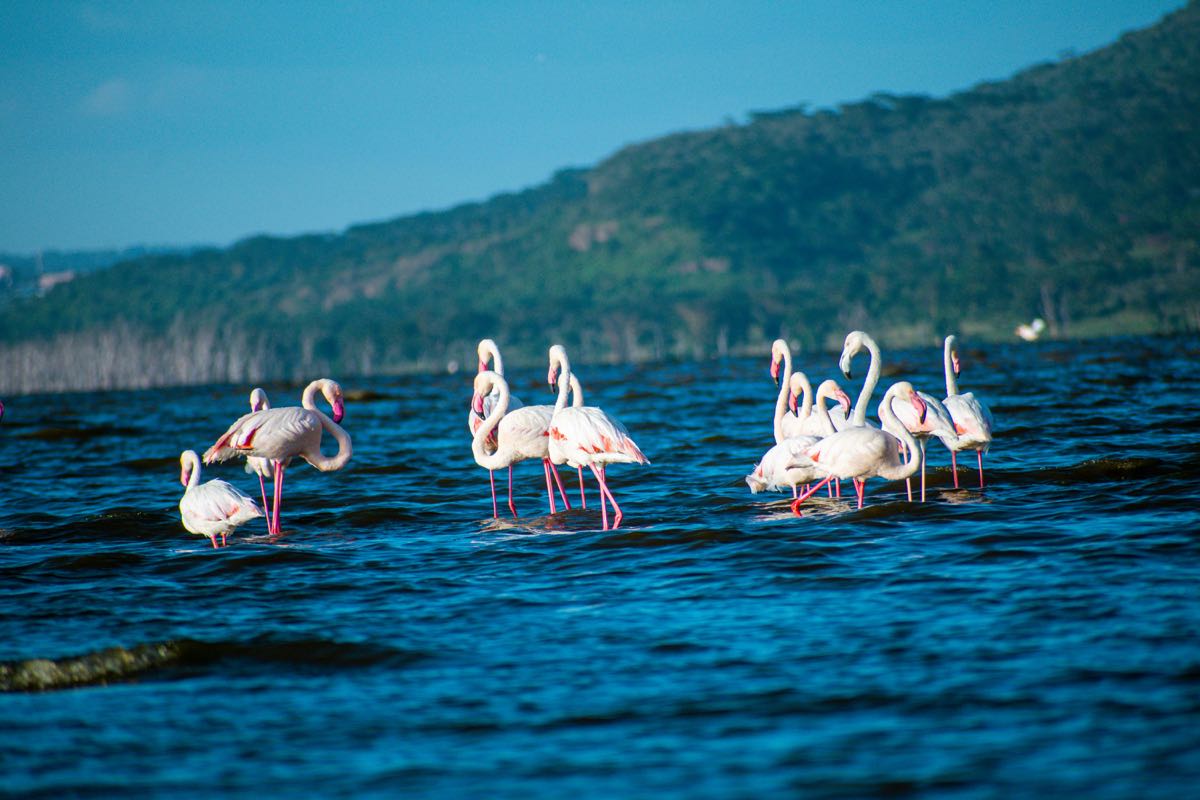
Lake Naivasha is a freshwater Rift Valley lake 90km northwest of Nairobi, sitting at 1,884m in the highland grassland. The lake has no outlet - it maintains its level through underground drainage. The surrounding yellow fever acacia woodland and papyrus reed beds provide habitat for one of Kenya’s most bird-rich environments outside the national parks.
For most visitors from Nairobi, Lake Naivasha is a day trip destination combining boat wildlife viewing, a walking safari on Crescent Island, and (optionally) Hell’s Gate cycling in the same day.
Getting to Lake Naivasha
By matatu: From Nairobi’s Country Bus Station (OTC stage, near Globe Cinema roundabout), take a matatu labelled “Naivasha” - KES 300–400 one way. Journey time approximately 1.5–2 hours. Alight at Naivasha town.
From Naivasha town, take a boda boda or tuk-tuk to Crayfish Camp or Fisherman’s Camp on the southern shore (approximately KES 200–400). These camps are the main departure points for boat trips.
Search hotels in Kenya on Booking.com
Last matatu from Naivasha back to Nairobi leaves approximately 7pm.
By private vehicle: A104 northwest from Nairobi to Naivasha (approximately 90km). From Naivasha town, follow signs to the Sopa Gate road south, then west to the lake’s southern shore camps. Drive time from Nairobi: approximately 1.5 hours.
Boat Trips on the Lake
The primary activity at Lake Naivasha is a boat trip on the lake. Multiple operators based at Crayfish Camp and Fisherman’s Camp offer guided trips.
Duration: Typically 1–1.5 hours. Price: Approximately KES 2,000 per person as of 2026 for a standard 1-hour trip. Rates are often per boat (capacity 6–8 people) at approximately KES 8,000–12,000 per boat for a 1-hour trip - worthwhile to share with other visitors.
What you see:
Hippos: Lake Naivasha has one of Kenya’s largest hippo populations - approximately 200 animals as of recent counts. Hippos are most visible in the early morning (pods resting on the water surface before heading ashore to graze at night) and in the afternoon. A boat trip is the only safe way to observe hippos closely.
African fish eagle: Arguably Kenya’s most iconic bird call. Fish eagles are common around the papyrus beds and dead trees at the lake edge. Boat captains often position near nests for photography.
Pelicans: Large flocks of great white pelicans roost on the papyrus islands and shallow lake margins.
Other birds: Malachite kingfisher (brilliant blue-orange, perches on reeds), pied kingfisher (black-and-white, hovers before diving), grey-crowned crane (Uganda’s national bird, also resident in the Rift Valley), saddle-billed stork, African jacana (walks on floating vegetation), purple swamp hen, and African darter.
Flamingos occur seasonally - more common on Lake Nakuru (60km north) but occasional flocks visit Naivasha.
Crescent Island Game Sanctuary
Entry: Approximately USD 30 per person as of 2026. Getting there: Boat from Crayfish Camp to the island - approximately KES 600 per person additional (short boat ride).
Crescent Island is a private game sanctuary on a peninsula (connected to the shore at low water, otherwise effectively an island) that was used as a film location for Out of Africa and several other productions.
The key feature: there are no large predators on the island. This allows visitors to walk freely among the wildlife - zebra, Masai giraffe, wildebeest, Thomson’s gazelle, impala, waterbuck, and Colobus monkeys in the shoreline trees.
A 2-hour guided walk around the island’s perimeter trail covers approximately 5km. The wildlife is typically very close - zebra graze 10 metres away from the path, giraffes walk parallel to visitors at their own pace. It’s an unusual and excellent experience, combining the wildlife density of a national park with the freedom of movement normally impossible around large animals.
Recommendation: Combine a 1-hour boat trip (hippos and birds) with the Crescent Island walk in the same morning. Day tours from Nairobi to Lake Naivasha often bundle the boat trip, Crescent Island, and Hell’s Gate cycling into one organised day.
Camping and Accommodation
Crayfish Camp (southern shore) is the most popular budget accommodation at Naivasha. Camping from approximately KES 2,500/night per person; basic bandas (huts) from approximately KES 5,000/night as of 2026. Hot showers, a simple restaurant, and boat hire are on site. Popular with overlanders and Nairobi weekenders.
Fisherman’s Camp (southern shore, adjacent to Crayfish) is larger and offers similar budget accommodation from approximately KES 2,500/night camping. The campsite extends along the lake shore and has more shade than Crayfish Camp.
Enashipai Resort and Spa (northwestern shore) is Naivasha’s only luxury property. From approximately KES 25,000/night as of 2026 for a lakeside room. The property has a large pool, spa, and private boat dock. It’s excellent if Naivasha is a destination rather than a day trip.
Mundui Estate (private conservancy on the lake, by invitation or special booking) is a high-end private house rental used by film crews and exclusive groups. Not bookable via standard channels.
Hell’s Gate National Park
Distance from the lake: 10km south. Entry: Approximately USD 26 non-resident pp / KES 100 resident pp as of 2026.
Hell’s Gate makes a natural combination with Lake Naivasha. Cyclists are permitted inside the park - rent bikes at the gate for approximately KES 600/hour and cycle the 22km round-trip through the volcanic gorge.
See our Kenya cycling tours guide for the full Hell’s Gate cycling description.
Best Time to Visit
Dry seasons: January–February and June–October are the most reliable for boat trips (fewer rain squalls on the lake). Water levels are lower, concentrating hippos in specific areas.
Rainy season: March–May sees heavy rain in the afternoons. Morning visits are still possible. The vegetation is lush and some bird species are more active.
Avoid: April–May if you want a high probability of dry weather.
Bird watching: The lake is excellent year-round. The best time for rare migrants is October–November when Palearctic migrants arrive from Europe and Asia.
Practical Notes
Sunscreen and hat: The altitude and latitude make UV levels intense - the lake sits in an open basin with no shade during boat trips.
Water: Bring your own. Crayfish and Fisherman’s Camp sell bottled water but at inflated prices.
Hippo caution: Hippos are extremely dangerous on land. Do not walk between the lake shore and hippos that have come ashore to graze - they will charge to reach the water and are very fast. Follow guide instructions at all times on Crescent Island and at the camp shore.
For the Mount Longonot hike just 25km away, see our Mount Longonot hike guide. For Hell’s Gate cycling in the gorge, which is equally close, see the Hell’s Gate cycling guide. Our Kenya cycling tours guide covers multi-day options that pass through this region. For a longer Rift Valley itinerary including Nakuru and Naivasha, see our Great Rift Valley Kenya guide.