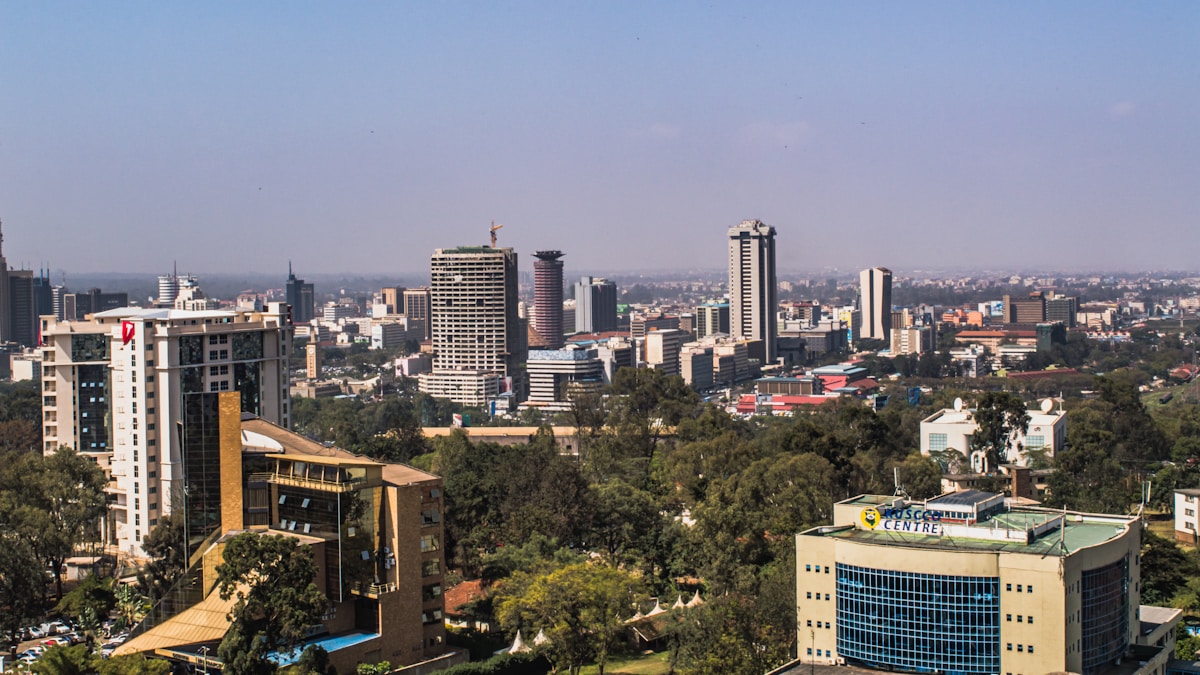
Nakuru: Rift Valley City and Lake Nakuru Guide
Nakuru sits in Kenya's Rift Valley at 1,850m, 2hrs from Nairobi. Lake Nakuru National Park: black and white rhinos, flamingos, and day safari circuits.
Guides for Nakuru
Nakuru is the administrative capital of Rift Valley County, located at 1,850m in Kenya’s Great Rift Valley, 160km northwest of Nairobi. It is Kenya’s fourth-largest city and a significant agricultural and industrial hub. For travellers, it matters primarily as a base for Lake Nakuru National Park - one of Kenya’s most accessible wildlife reserves, famous for flamingos, rhinos, and a strong predator population.
Nakuru sits midway between Nairobi and Kisumu, making it a natural stopover on the cross-country route. The town itself is large enough to be self-sufficient but is not a destination in isolation. For geological context and the full chain of Rift Valley lakes, see our Great Rift Valley guide.
Getting There
From Nairobi: 160km via the A104 Nairobi–Nakuru highway - approximately 2 hours in good traffic. Buses (Easy Coach, Modern Coast) and matatus run throughout the day from Nairobi’s Westlands, CBD, and Kawangware stages (approximately KES 300–500).
From Kisumu: 3 hours east along the A104 road (approximately 200km).
By matatu from Nairobi: Depart from the Westlands or Odeon stages - approximately 2–2.5 hours including stops. The road passes through the Kikuyu escarpment with good views down into the Rift Valley near Lake Naivasha.
Lake Nakuru National Park
The park encircles Lake Nakuru - a shallow soda lake in the floor of the Rift Valley. It is one of Kenya’s most wildlife-diverse small parks:
Flamingos: Lake Nakuru was once described as “the world’s greatest ornithological spectacle” when millions of lesser flamingos turned the lake edge pink. Flamingo numbers fluctuate enormously based on water levels and algae content. In recent years, rising water levels have dispersed birds to Lake Bogoria and elsewhere. When conditions are right, the flamingo spectacle is extraordinary. Check recent visitor reports at kws.go.ke before visiting specifically for flamingos.
Rhinos: The fenced rhino sanctuary within the park holds both black and white rhinos - one of the more reliable places in Kenya to see both species. White rhinos graze in the open areas and are approachable by vehicle. Rhino sightings are genuinely more predictable here than at most Kenyan parks.
Lions and leopards: Lions are reliably present; leopards are harder to spot due to the denser vegetation but sightings are reported regularly, particularly at the escarpment edge.
Rothschild giraffes: Reintroduced into the park, these genetically distinct giraffes (originally from Uganda) are a conservation success story and regularly seen.
Birds: Over 450 species recorded. Even without large flamingo numbers, the park is outstanding for birds - pelicans, herons, and waders are always present.
Entry fee: Approximately USD 60 per adult non-resident per day (as of 2026). Pay at kws.go.ke before arrival. Opening hours: 6am–6pm daily.
Getting around the park: Self-drive is possible on good dry-season roads - the circuit is straightforward. In the wet season, some tracks become difficult and a higher-clearance vehicle is advisable. Hiring a driver/guide from Nakuru town is practical for those without experience reading park tracks (approximately KES 4,000–8,000 for a half-day drive). You can also book guided Nakuru safaris that include transport from Nairobi.
Lake Naivasha
Lake Naivasha, 60km south of Nakuru along the Rift Valley, is a different ecosystem - a freshwater lake with hippos, fish eagles, and large resident waterbird populations. Crescent Island on the lake offers walking safaris: no vehicles, no fences, giraffe and zebra at walking distance. The boat to Crescent Island costs approximately KES 1,500–2,000 per person from the main boat launch at the Naivasha town landing.
Hippo Point: At the south end of the lake, a viewpoint with reliable hippo sightings at dusk. The adjacent restaurant (Hippo Point Restaurant) has good lake views for drinks.
Hell’s Gate National Park: 25km south of Naivasha - the only Kenyan park you can explore by bicycle. See the Hell’s Gate guide and our cycling tours Kenya guide for bike hire details.
Menengai Crater
Menengai is one of Kenya’s most dramatic and least-visited geological sites: a dormant shield volcano with a caldera 12km across and 483m deep — the second largest caldera in Africa after Ngorongoro. It sits 9km north of Nakuru town and takes under 30 minutes to reach by boda-boda (approximately KES 200–300 from the town centre).
The tarmac road climbs to the crater rim at 2,278m, where the scale of the caldera becomes apparent — a vast depression filled with forest, with steam vents still visible on the crater floor from active geothermal fields below. On a clear day the Rift Valley floor and Lake Nakuru are visible to the south.
Walking the rim: A rough track follows sections of the crater rim and takes 1.5–2 hours at an easy pace. There are no fences and limited signage. Go with a local guide arranged through your hotel or at the car park at the rim viewpoint (guides charge approximately KES 500–1,000 for a rim walk). Bring water — there are no facilities at the top.
Geothermal context: The geothermal energy beneath Menengai is actively developed — Kenya Electricity Generating Company (KenGen) operates steam wells on the flanks. The site is part of Kenya’s broader Rift Valley geothermal programme. This does not affect rim access.
Entry: No formal gate or entry fee as of 2026. Best visited early morning when the Rift Valley views are clearest before afternoon cloud builds.
Getting Around Nakuru
The town is large enough that you’ll want transport between the central area and the park gate (4km). Boda-bodas from the main stage charge approximately KES 100–200. Taxis to the park gate cost approximately KES 400–700.
Where to Eat
Town centre restaurants: The central area near the main bus stage has numerous local restaurants serving Kenyan food - nyama choma, ugali, and stews at KES 150–400. The market area is busy and good for street food.
Midland Hotel restaurant - the most reliable mid-range dining in town (main courses approximately KES 600–1,500). Waterbuck Hotel is another functional option.
Sarova Lion Hill (inside the park): The lodge restaurant has good food and potential wildlife views from the terrace - worth a lunch stop if you’re doing a full-day park visit (main courses approximately KES 1,000–2,000).
Where to Stay
Inside the park: Sarova Lion Hill Game Lodge (approximately KES 20,000–35,000/person/night, full board) is the main established lodge with panoramic Rift Valley views and game-viewing waterholes.
Search hotels in Nakuru on Booking.com
Adjacent to the park: Lake Nakuru Sopa Lodge (approximately KES 18,000–28,000/person/night) and Flamingo Hill Camp (tented camp, from approximately KES 15,000/person/night) offer park access from outside the boundary.
In Nakuru town:
- Mid-range (KES 5,000–10,000/night): Midland Hotel and Waterbuck Hotel are solid mid-range options with restaurants and consistent standards
- Budget (KES 1,500–3,000/night): Several guesthouses near the main bus stage offer basic but clean rooms
Practical Information
Climate: Nakuru’s altitude (1,850m) keeps temperatures comfortable year-round - average 15–24°C. Evenings can be cool. Malaria risk is lower than at the coast but present - take precautions.
Day trip from Nairobi: Nakuru and Lake Nakuru National Park work well as a day trip from Nairobi - the 2-hour drive is manageable, giving a full day in the park and return by evening. More rewarding as a 2-night stop that also incorporates Naivasha and Hell’s Gate.
Facilities: Good banking (all major banks), supermarkets, and petrol stations. The town has a functioning Nakuru railway station - though rail schedules are limited - and a domestic airport with some scheduled services.
For more on the wildlife inside the park, see our Lake Nakuru wildlife guide. Planning a longer Rift Valley trip? Our Lake Nakuru vs Lake Naivasha guide breaks down both parks, and the Nakuru hotels guide covers all accommodation options.
Frequently Asked Questions
- How far is Nakuru from Nairobi?
- Nakuru is approximately 160km from Nairobi - about 2 hours by road via the Nairobi–Nakuru highway. Buses and matatus depart regularly from Nairobi's Westlands and CBD areas. Cost is approximately KES 300–500.
- Can I still see flamingos at Lake Nakuru?
- The flamingo population at Lake Nakuru fluctuates significantly depending on water levels and algae availability. In recent years they have been more reliably seen at Lake Bogoria to the north. Check recent reports before visiting primarily for flamingos. The park remains excellent for rhinos, lions, leopards, and buffalo regardless.
- How do I get into Lake Nakuru National Park?
- The main gate is 4km from Nakuru town. Entry fees are approximately USD 60 for non-residents per day as of 2026 (payable online via the KWS website). You need a vehicle - car hire with driver from Nakuru town costs approximately KES 4,000–8,000 for a half-day game drive.
Book an experience
Top experiences in Nakuru
Explore the best tours and activities in Nakuru - instant confirmation, free cancellation on most bookings.