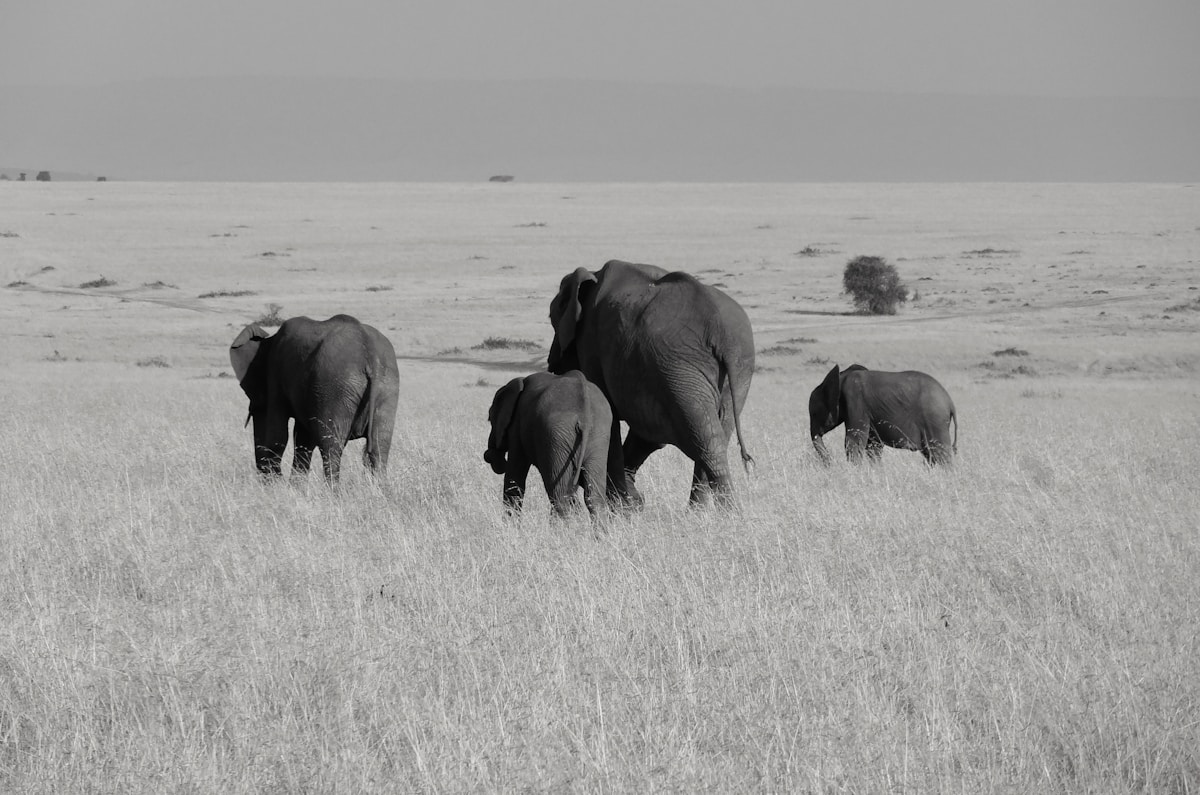
Lake Nakuru National Park covers 188km² around the alkaline Lake Nakuru in Kenya’s Great Rift Valley, 165km northwest of Nairobi. The park is famous for flamingos, but its reliable rhino sightings and strong predator population make it a worthwhile destination beyond any flamingo count.
Flamingos
Lake Nakuru was once described as “the greatest ornithological spectacle in the world” - millions of lesser flamingos turning the lake edge pink. The population fluctuates dramatically with water levels and algae growth. In recent years, rising water levels have reduced the algae (Spirulina) that flamingos feed on, and birds have dispersed to other Rift Valley lakes. When conditions are right, the spectacle remains extraordinary. Check recent visitor reports at the KWS website before visiting specifically for flamingos.
Greater flamingos (the larger species) are present year-round in smaller numbers regardless of water conditions.
Rhinos
The fenced rhino sanctuary within the park protects both black and white rhinos - one of the most reliable places in Kenya to see these species. Both are generally approachable by vehicle. White rhinos graze in open areas; black rhinos are more secretive in the bush.
Other Wildlife
The park has lions, leopards (harder to see due to denser vegetation), waterbuck, reedbuck, hippos, and Rothschild giraffes (reintroduced). Over 450 bird species have been recorded.
Entry Fees and Access
Entry fee: Approximately USD 60 per adult non-resident per day (as of 2026). Pay at kws.go.ke.
The main gate is 4km from Nakuru town. Self-drive is practical on good dry-season roads. A hired driver/guide from Nakuru town costs approximately KES 4,000–8,000 for a half-day. Guided Kenya safari tours covering Lake Nakuru and the broader Rift Valley circuit are also bookable from Nairobi.
Getting There
From Nairobi: 2 hours by road (165km via the Nairobi–Nakuru highway). Matatus from Nairobi’s Westlands and town centre cost approximately KES 300–500 and take 2–3 hours. From the main Nakuru bus stage, taxis to the gate cost approximately KES 500.
From Kisumu: 3 hours east along the A104 road.
Accommodation
Inside the park:
- Sarova Lion Hill Game Lodge - the main large lodge, elevated position with lake views. Approximately KES 20,000–35,000/person/night, full board.
Adjacent to the park:
- Lake Nakuru Sopa Lodge - just outside the park boundary, good access. Approximately KES 18,000–28,000/person/night.
- Several budget campsites and guesthouses in Nakuru town (KES 3,000–8,000).
The Rift Valley Lakes
Lake Nakuru is one of seven major soda lakes in the eastern arm of the Great Rift Valley in Kenya. The series - from south to north: Magadi, Elmentaita, Nakuru, Bogoria, Baringo - form a chain of highly alkaline lakes in the valley floor. Their alkalinity (from volcanic minerals dissolved in underground water) creates the extreme conditions that Spirulina algae thrives in, which in turn supports the flamingo populations.
Lake Bogoria (90km north) has in recent years become the more reliable flamingo destination as Nakuru’s water levels have risen and diluted the algae. Lake Bogoria has hot springs and geysers along its western shore - the combination of flamingos and steam is remarkable. Entry approximately USD 20 per day. It can be combined with a Nakuru visit on a two-day loop.
Lake Elmentaita (between Nairobi and Nakuru) is a smaller lake visible from the main road, with flamingos, white pelicans, and lesser flamingos. No major visitor facilities but visible from the Nairobi–Nakuru road.
Conservation History
Lake Nakuru was fenced in the 1980s specifically to protect black rhinos from poaching - at the time Kenya’s rhino population had declined catastrophically from approximately 20,000 in the 1970s to under 400. The fence was controversial but effective: rhinos were secured, and the population has since recovered. Today the fence allows both black and white rhinos to be maintained safely.
The same fencing also inadvertently created a refuge for lions and leopards - their populations inside the park increased significantly once the fence prevented dispersal and kept prey species concentrated.
Combining with Lake Naivasha
Lake Naivasha (60km south of Nakuru) pairs well with Lake Nakuru as a two-day Rift Valley loop from Nairobi. See our Nakuru city guide for accommodation options in town. Crescent Island on Lake Naivasha offers walking safaris with giraffe, zebra, and wildebeest (boat access, approximately KES 1,500 per person). The full loop - Nairobi to Naivasha (day 1), Naivasha to Nakuru (day 2), Nakuru back to Nairobi (day 3) - is a common 3-day circuit covering both lake ecosystems with overnight stays.
For a full comparison of the two lakes, see Lake Nakuru vs Lake Naivasha.
The best base for visiting the park is Nakuru city - see our Nakuru guide for accommodation and transport options. For the full context of the Rift Valley and its lakes, see our Great Rift Valley Kenya guide. Our Nakuru hotels guide covers all stays near the park from budget to luxury.
To book guided tours to Lake Nakuru — including flamingo and rhino game drives and combined Naivasha–Nakuru packages — see our Lake Nakuru National Park visitor guide, which covers entry fees, tour operators, and how to get there from Nairobi.