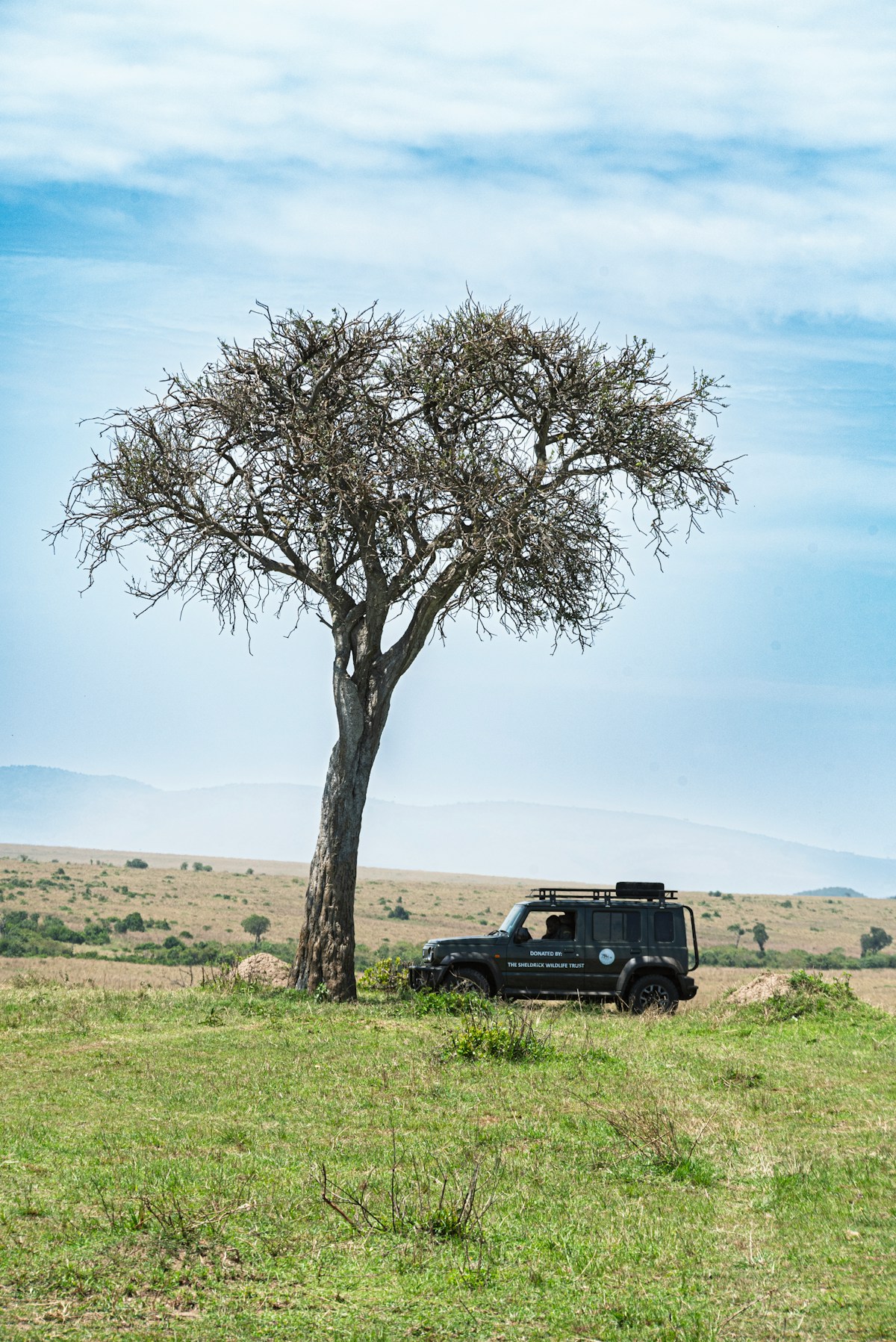
Samburu National Reserve sits in Kenya’s semi-arid north, three hours beyond the Laikipia plateau - a fundamentally different landscape from the southern savannah parks. The reserve is famous for the so-called Samburu Special Five: species found in Kenya’s northern zones and nowhere else in the country. Choosing the right camp matters here more than in most parks: the Ewaso Nyiro River is the wildlife corridor, and lodges closest to it see more action. For detail on the wildlife and ecosystems, see our Samburu wildlife guide.
This guide covers accommodation across all price tiers, from ultra-luxury hilltop retreats to KWS bandas, with specific named properties and honest price ranges as of 2026.
The Samburu Ecosystem: Two Reserves, One Experience
Samburu National Reserve and Buffalo Springs National Reserve sit on opposite banks of the Ewaso Nyiro River and are operated as a combined ecosystem. Most lodges and camps are technically in Samburu (north bank), though game drives cross into Buffalo Springs daily. Shaba National Reserve sits further east - less visited, with distinctive lava flows and a few exclusive camps. The combined Samburu-Buffalo Springs area is the primary visitor destination and where almost all accommodation is concentrated.
Luxury Samburu Lodges (approximately $500–$900 per person per night)
Saruni Samburu
Saruni Samburu is the headline luxury property in northern Kenya. Six villas are perched on a rocky hillside above the reserve with panoramic views across the plains to Mount Kenya on clear days. Each villa has its own plunge pool and open-fronted design. Rates are approximately $700–$900 per person per night as of 2026, fully all-inclusive: full board, twice-daily game drives, bush walks, community visits, and all reserve fees.
The property’s guides are among the most experienced in the north - several have been guiding in Samburu for over 20 years and have built individual relationships with known elephant families and lion prides. Saruni is also closely connected with community conservation projects in the surrounding Kalama and Sera conservancies. Minimum stay of three nights is standard.
Elephant Bedroom Camp
Elephant Bedroom Camp is a 12-tent camp directly on the Ewaso Nyiro riverbank, positioned at a known elephant crossing point. It is common for elephants to wade past at arm’s length from the main area in the early morning. Rates are approximately $500–$700 per person per night as of 2026, fully all-inclusive. The camp is intimate by design - it takes a maximum of 24 guests - and the riverside location gives excellent birding alongside the expected elephant, crocodile, and hippo sightings.
Sasaab occupies a dramatic cliff edge above the Ewaso Nyiro with a design influenced by North African and Moorish architecture - unusual in a Kenya context but genuinely striking. Nine rooms each have a private pool. Rates are approximately $550–$750 per person per night as of 2026, all-inclusive. The lodge sits in a community conservancy rather than inside the national reserve boundary, which means it operates night drives and off-road drives in addition to standard game drives inside the reserve. Book directly through the property.
Mid-Range Samburu Lodges (approximately $150–$350 per person per night)
Samburu Intrepids Camp
Samburu Intrepids Camp is the best-known mid-range option and has been operating in Samburu for decades. It sits directly on the Ewaso Nyiro and takes a maximum of 60 guests across its permanent tented camp layout. Rates are approximately $250–$350 per person per night as of 2026 on a full-board basis with twice-daily game drives included. The camp has a pool, curio shop, and cultural programme with local Samburu guides.
The location is particularly good for large predator sightings - Samburu Intrepids runs a responsible predator disclosure policy, sharing sightings across partner camps, which improves guide coordination significantly.
Samburu Sopa Lodge
Samburu Sopa Lodge is a larger, more conventionally structured lodge that offers consistent quality at a mid-range price. Rates are approximately $180–$250 per person per night as of 2026 on a full-board basis. The property has 60+ rooms, a swimming pool, and is built in a low-rise style set back slightly from the river. It is a solid choice for group itineraries or family travellers who want predictable standards and good logistics without the luxury price tag.
Ashnil Samburu Camp
Ashnil Samburu Camp sits on a particularly active stretch of the Ewaso Nyiro riverbank and offers 33 permanent tents at rates of approximately $150–$220 per person per night as of 2026 on a full-board basis. Game drives are included. The camp has a strong reputation for crocodile and elephant sightings from the main area - guests regularly report large herds crossing the river directly in front of the dining tent.
Budget Accommodation: KWS Bandas and Campsites (approximately $15–$80 per person per night)
KWS Bandas (Buffalo Springs)
Kenya Wildlife Service maintains a small number of self-catering bandas (basic chalets) in the Buffalo Springs National Reserve. These are simple structures with beds, basic cooking facilities, and outdoor showers. Rates are approximately $30–$50 per person per night as of 2026, payable to KWS. Reserve entry fees apply on top. The bandas suit independent travellers with their own vehicle and supplies; they are not staffed with catering or guide services.
KWS Public Campsites
Both Samburu and Buffalo Springs have designated public campsites. Rates are approximately $15–$20 per person per night as of 2026 for non-residents. Facilities are basic - pit toilets and a water point - but the locations inside the reserve give immediate access to the Ewaso Nyiro ecosystem. Wildlife activity around campsites is significant; elephant and hyena visits after dark are common. Secure food storage is essential.
Private Conservancies Beyond the Reserve
Samburu is surrounded by large community and private conservancies that offer important spillover wildlife habitat and a different kind of safari experience. The Kalama Community Conservancy and Sera Conservancy (both north of the reserve) are managed by local Samburu communities and offer wilderness camping and walking safaris with minimal vehicle traffic. Rates vary by operator - expect approximately $100–$300 per person per night as of 2026 depending on the level of service. These conservancies provide the only legal opportunity for walking safaris in this ecosystem.
Shaba National Reserve, east of Samburu, has a single exclusive-use property - Joy’s Camp - in a distinctive lava-rock landscape. The reserve receives far fewer visitors than Samburu-Buffalo Springs and offers a secluded alternative for repeat visitors who have already done the main reserve circuit.
Booking Tips
Reserve fees: Samburu National Reserve charges non-resident adults approximately $65 per person per day as of 2026. Buffalo Springs entry is slightly lower at approximately $60 per day. Most lodges bundle these fees into their full-board rates - always confirm what is included.
Combine with Laikipia: Samburu is most efficiently combined with the Laikipia plateau on a northern Kenya circuit. Several lodges and conservancies on the Laikipia (Ol Pejeta, Borana, Lewa) are within 2–3 hours by road or 30 minutes by light aircraft from Samburu. This circuit gives excellent wildlife diversity with minimal repetition.
Heat: Samburu is significantly hotter than the Masai Mara - afternoon temperatures regularly exceed 35°C between October and March. Most lodges enforce a midday rest period, with game drives running 06:00–10:00 and 15:30–18:30. Plan accordingly. Dawn drives in January–February can be very productive as elephants concentrate at the river in the heat.
Peak rates: Rates peak July–October and around the Christmas–New Year period. Book luxury camps 6–9 months in advance for the July–September window. Shoulder and low-season rates (November–June, excluding Christmas) can be 20–35% lower at most properties. For flexible Samburu itineraries, northern Kenya safari tours that combine Samburu with Laikipia or Ol Pejeta are available as organised packages from Nairobi.