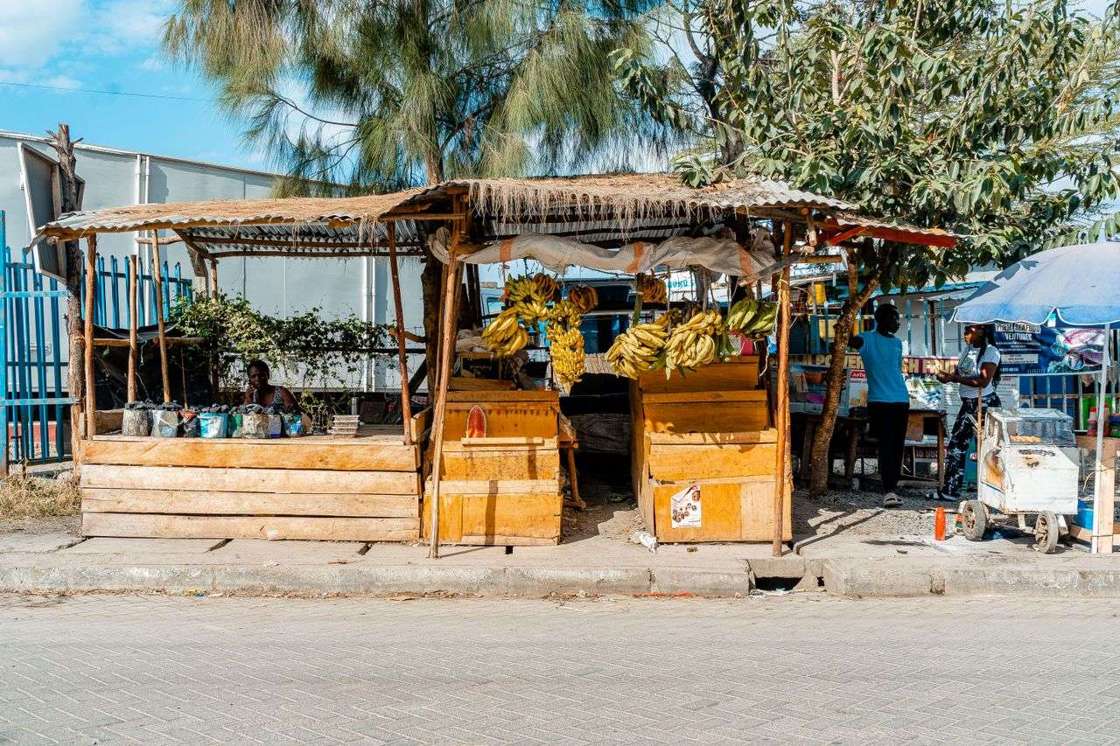
Kenya is a largely cash-driven economy, even as mobile money has transformed how locals pay for things. As a visitor you will almost always need Kenyan shillings on hand - for matatus, market stalls, national park gates, and smaller guesthouses - while cards and USD cover the higher-end tier. Getting your money strategy right before you land will save you from bad exchange rates at the airport and unexpected cash-only moments in the middle of a game drive.
Kenya’s Currency: The Kenyan Shilling (KES)
The official currency is the Kenyan shilling, abbreviated KES or written as Ksh. The exchange rate fluctuates; as of 2026 you should expect roughly 125–135 KES per US dollar and 160–175 KES per euro, though check a live rate before you travel.
Notes in circulation: 50, 100, 200, 500, and 1,000 shillings. The polymer 1,000 KES note (approximately USD 7.50) is the most useful denomination for daily spending.
Coins: 1, 5, 10, and 20 shillings. Coins are used for small purchases, matatu fares, and tips - keep a handful.
A rough mental benchmark: a matatu ride across Nairobi costs 30–60 KES, a street meal 150–300 KES, and a beer in a local bar around 200–350 KES.
Best Places to Exchange Money
Avoid the airport. JKIA’s exchange bureaux offer some of the worst rates in the country - spreads of 8–12% are common. If you need shillings immediately on arrival, use an ATM in the arrivals hall instead.
Forex bureaux in Nairobi CBD and Westlands give far better rates and are the recommended option for exchanging cash. Look for licensed bureaux - they display their CBK licence and quote mid-market-adjacent rates with transparent fees. Upper Hill, Westlands, and the River Road area have multiple competing bureaux; rates are negotiable if you are exchanging a larger sum (USD 200+).
Mombasa Old Town and Diani Beach also have reputable forex bureaux. Rates are slightly worse than Nairobi’s but still significantly better than hotel desks.
Hotel and lodge exchange desks are convenient but expensive - expect a 5–8% spread. Use them only if you are genuinely stuck.
Bring crisp, post-2006 USD notes - worn bills, older designs, and small denominations (under USD 50) are often refused or attract a worse rate.
ATMs in Kenya
ATMs are reliable and plentiful in Nairobi, Mombasa, Kisumu, Nakuru, and Nanyuki. In safari country, ATM access drops sharply - Narok (gateway to the Mara) has a handful of machines, but stock runs low during peak season. Amboseli and Tsavo areas have very few; plan on cash from Nairobi before heading out.
Recommended networks:
- KCB and Equity Bank ATMs accept most international Visa and Mastercard with low local fees (approximately 200–350 KES per withdrawal).
- Standard Chartered and Barclays/Absa are also reliable.
- Avoid independent ATMs in petrol stations - they tend to charge higher fees and occasionally run out of cash.
Withdrawal limits are typically 40,000–50,000 KES per transaction (around USD 300–375), sometimes per day. Your home bank will also apply its own foreign-transaction fee - check in advance and consider a fee-free travel card such as Revolut or Wise to reduce the total cost.
Safety: Use ATMs inside bank branches or hotel lobbies rather than street-facing machines at night. Cover the keypad when entering your PIN. Card skimming has been reported in Nairobi, so monitor your account after each withdrawal.
Are Cards Widely Accepted?
Yes, at the higher end - no, almost everywhere else.
Visa and Mastercard are accepted at most upmarket hotels and lodges, larger supermarkets (Carrefour, Naivas, Quickmart), safari operators, tour companies, and sit-down restaurants in Nairobi’s wealthier suburbs (Westlands, Karen, Kilimani). Many will add a 2–3% card surcharge, so ask before you pay.
Cash-only settings:
- Matatus, boda-bodas (motorcycle taxis), tuk-tuks
- Local markets (Maasai Market, Gikomba, roadside stalls)
- Budget guesthouses and local restaurants
- National park gate fees at some entry points (though most major parks now accept card via KWS machines - carry cash as a backup)
- Village stays and community tourism projects
M-Pesa is Kenya’s dominant mobile money platform and is used by almost everyone for everything from rent to groceries. As a foreign visitor you cannot easily set up an M-Pesa account, but some tour operators and accommodation providers will offer it as a payment option if you have a Kenyan SIM.
American Express is accepted only at a small number of luxury properties and international chain hotels.
Tipping Norms
Tipping is appreciated in Kenya and expected in some contexts, but the amounts are modest by Western standards.
| Context | Suggested Tip |
|---|---|
| Restaurant (no service charge) | 10% of the bill |
| Restaurant (service charge included) | Optional small tip to the server |
| Safari guide (full day) | 500–1,000 KES per guest per day |
| Safari driver (full day) | 300–500 KES per guest per day |
| Camp/lodge staff (shared) | 500–1,000 KES per person total |
| Hotel porter | 100–200 KES per bag |
| Taxi/Uber driver | 50–200 KES, discretionary |
Safari staff in particular rely on tips to supplement modest base wages - tipping well is both expected and important. Keep small denomination notes (100 and 200 KES) accessible; handing your guide a 1,000 KES note and asking for change creates an awkward situation.
Cash vs Card: Our Recommendation
Bring both, lead with cash for most of your trip. Here is how we suggest splitting it:
- Exchange USD 100–200 at a Nairobi forex bureau on arrival for day-to-day spending - transport, food, entrance fees, market shopping.
- Use an ATM once or twice during your trip to top up; withdraw in bulk (40,000 KES) rather than frequently to minimise fees.
- Pay card where it is accepted without a surcharge - larger supermarkets, lodges, tour operators - to conserve cash.
- Before heading into safari country, estimate how many days you will be out of reach of an ATM and withdraw accordingly. A 5-day Mara trip for two people might need 30,000–50,000 KES in tips, park fees (if not pre-paid), and incidentals.
- Carry a fee-free travel card (Wise, Revolut, Starling) loaded in USD to limit foreign-transaction charges.
USD is accepted as a parallel currency at most lodges and safari camps - many quote prices in USD and prefer it. Paying your lodge bill in cash USD at the quoted rate is often the same as or slightly better than paying card.
One genuine headache to plan around: the Maasai Mara gate entry fees change periodically and are sometimes only accepted in cash KES at the gate. Confirm the current payment method with your operator before travel.
Kenya rewards those who come prepared - the right currency mix means you spend time watching lions, not hunting for working ATMs.
Once you know how much cash to carry, our Kenya trip cost calculator helps estimate the total budget for your dates and travel style.