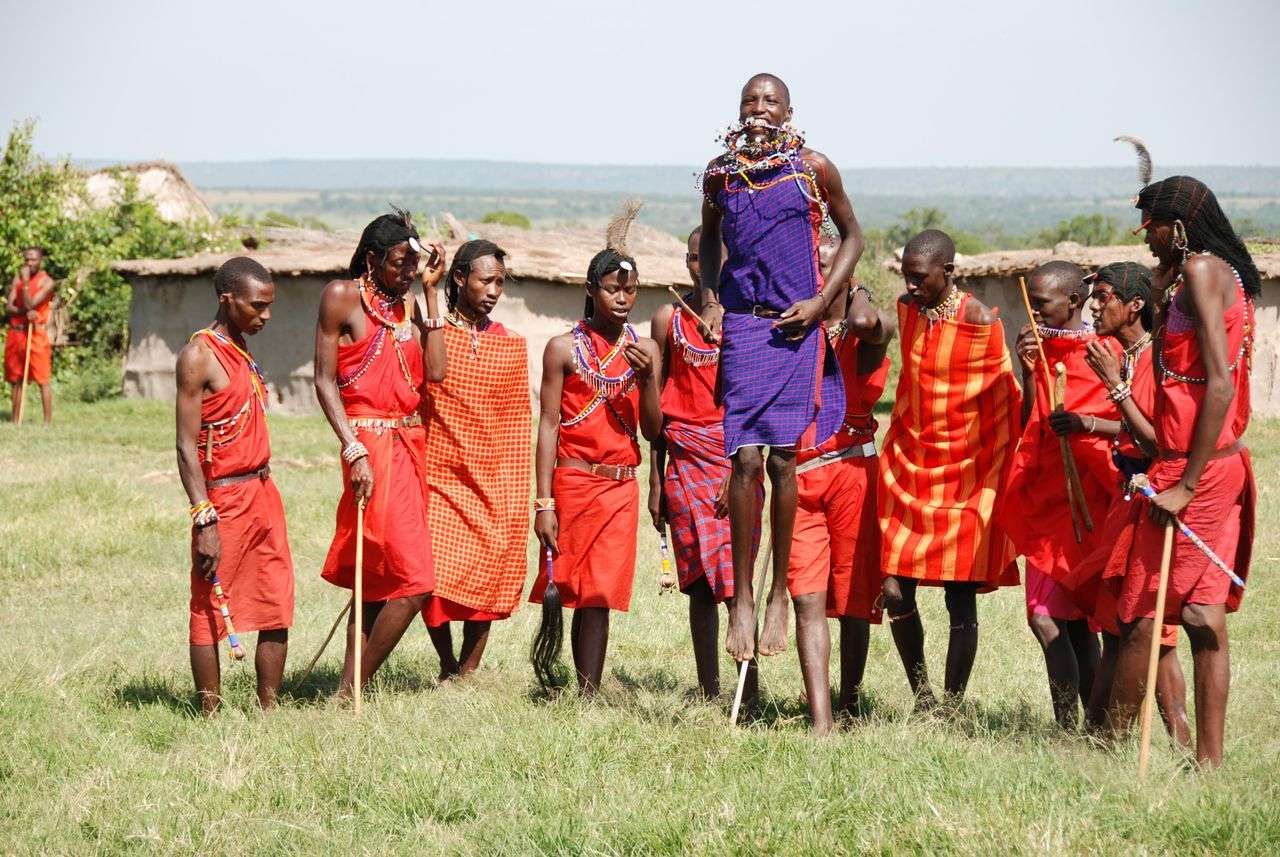
Kenya is a warm, welcoming country, but a few wrong moves — asking to photograph a Maasai elder without permission, tipping the wrong amount, or showing up at a mosque in shorts — can sour an otherwise excellent trip. This guide covers the practical social rules that make the difference between a respectful visit and an awkward one.
Dress Codes
Religious Sites
Kenya is roughly split between Christianity and Islam, with significant populations of each. Muslim-majority coastal towns — Mombasa Old Town, Lamu Island, Malindi — require covered shoulders and knees for both men and women when walking through residential neighbourhoods, entering mosques, or visiting the old medina streets.
At Fort Jesus in Mombasa, you do not need to cover up inside the national monument itself, but dress modestly when walking to and from it through the surrounding streets. Women visiting mosques should also cover their hair with a lightweight scarf. Keep one in your day bag if you are spending time on the coast.
Christian churches across the country expect smart, conservative dress. Jeans and T-shirts are broadly accepted in Nairobi’s megachurches, but avoid beachwear, very short skirts, or sleeveless tops.
Beaches
Diani Beach, Watamu, and Malindi are beach resorts and normal swimwear is fine at the beach and poolside. However, walking through town in a bikini or swimming shorts is considered disrespectful. Put on a cover-up — a sarong, shorts, or a shirt — the moment you step off the sand. This matters especially in Malindi and Watamu, which have mixed Muslim and Christian communities living alongside the tourist strip.
Restaurants and Lodges
Safari lodges and upscale Nairobi restaurants such as Carnivore, Talisman, and Tamarind Mombasa expect smart casual in the evening. Shorts and flip-flops are usually fine at lunch, but trousers and a collared shirt, or a sundress, are more appropriate at dinner. Budget restaurants and street food spots have no dress expectations whatsoever.
Tipping Culture
Tipping is expected in Kenya’s tourism and hospitality sector and forms a meaningful part of workers’ income.
Safari guides and drivers: KES 1,500—3,000 per day per vehicle is the standard range, split between the guide and driver. For an outstanding private guide — like those at camps in the Masai Mara National Reserve or Amboseli — KES 3,000—5,000 per day is appropriate. Leave tips in an envelope at the end of the safari rather than handing money over in front of other guests.
Lodge and camp staff: Most tented camps provide a communal tip box at reception for housekeeping, kitchen, and laundry staff. KES 500—1,000 per person per night is reasonable and goes into a shared pool.
Restaurants: 10% is the standard tip at a sit-down restaurant if service charge is not already included on the bill. Check first — some Nairobi restaurants add 10—16% automatically. No tip is expected or needed at roadside cafes or fast food joints.
Boda-boda (motorcycle taxis) and tuk-tuks: Tipping is not expected. The fare is the fare.
Porters at lodges and airports: KES 100—200 per bag is appropriate.
Do not tip: national park rangers (it is technically illegal), government officials of any kind, or petrol station attendants (who will often hover expectantly — a polite “asante” is sufficient).
Social Customs and Greetings
The Kenyan Greeting
Greetings matter deeply in Kenya. Rushing past someone without acknowledgment is considered rude. The standard Swahili greeting is Jambo (hello) or the more respectful Habari (how are you?), answered with Nzuri (fine/good). Between friends, Sasa or Niaje are informal equivalents.
Handshakes are the norm for both men and women. In coastal and Muslim communities, a man should wait for a woman to extend her hand first — she may offer a verbal greeting instead, and that is equally respectful.
Elders receive particular deference. In Maasai communities, it is customary to bow your head slightly when greeting an elder so they can place their hand on your head as a blessing. Refusing or pulling away is genuinely offensive.
Bargaining
Bargaining is expected at curio markets — Maasai Market in Nairobi (held at various city venues on a rotating weekday schedule), City Market off Muindi Mbingu Street, and beach craft stalls in Diani and Mombasa. Start at roughly 40—50% of the opening price and negotiate calmly from there. Aggressive or contemptuous haggling is considered poor form. If you name a price, be prepared to pay it — walking away after a seller has accepted your offer is considered disrespectful.
Fixed-price shops, supermarkets, petrol stations, and restaurants do not negotiate.
Photography Rules
Photography is a sensitive area in Kenya. Always ask before photographing a person. This applies especially in Maasai and Samburu communities, where many people charge a small fee (typically KES 100—300) for portraits — ask the guide first and pay willingly. Photographing without asking, or refusing to pay after making the request, causes real resentment.
Inside national parks, you may photograph wildlife freely. Do not photograph police officers, government buildings, military installations, Jomo Kenyatta International Airport (JKIA), or the Port of Mombasa — this can result in your camera being confiscated and a prolonged encounter with authorities.
At community villages and homestays, ask the host or guide to confirm what is appropriate before you take out your camera. Inside Maasai manyattas (homesteads), photography of women and children often requires direct consent from the family elder.
Religious and Cultural Sensitivities
Kenya’s constitution protects freedom of religion, and the country is broadly tolerant, but visitors should be aware of the following:
Ramadan on the coast: During the Islamic holy month, eating, drinking, or smoking in public in Mombasa Old Town and Lamu between sunrise and sunset is considered disrespectful. Most restaurants remain open for non-Muslim visitors, but the courtesy of not eating conspicuously in front of fasting residents matters.
Sunday church attendance: A significant proportion of Kenyans attend church on Sunday morning. Many businesses in smaller towns are closed or open late. Plan accordingly if you are relying on local shops.
The Maasai and land: Avoid making jokes or light comments about Maasai land or cattle. Land ownership and grazing rights are serious political and cultural issues, not tourist talking points.
LGBTQ+ visibility: Same-sex relationships remain illegal under Kenyan law. Public displays of affection between same-sex couples carry real legal risk. Be aware of this context when travelling.
Dining Etiquette
In a Kenyan restaurant, waiting to be seated is the norm in formal settings; in casual cafes and nyama choma joints, find your own table. Meals are often communal — sharing dishes from the centre of the table is standard practice in local restaurants and homes.
Ugali (maize porridge) is eaten by hand. You pinch off a small piece, roll it into a ball, make a small indent with your thumb, and use it to scoop stew. Attempting this with cutlery is fine but marks you as a tourist. Using your left hand to eat or pass food is considered disrespectful — always use your right hand.
At coastal Swahili restaurants in Mombasa, it is common for the host to bring water and a small basin for washing hands before the meal. Use it — it signals that you are about to eat communally.
Behaviour in Kenyan Homes
Being invited into a Kenyan home is a genuine honour and comes with a few unwritten rules:
Remove your shoes at the door unless the host explicitly says otherwise. Most households have sandals or slippers for guests.
Accept food and drink. Declining hospitality — tea, chai, or a plate of food — is often interpreted as a sign of displeasure with the host. If you genuinely cannot eat, accept the drink and take a small portion to honour the gesture.
Greet everyone individually. Walk around and shake hands with each person in the room, from eldest to youngest. Greeting only the person you know and ignoring the rest of the family is considered rude.
Avoid pointing with a single finger. Use an open hand or your chin to indicate direction. Single-finger pointing is considered aggressive or dismissive.
Kenyan hospitality is generous and genuine. Arriving with a small gift — fruit, biscuits, or a packet of tea — is appreciated but not required. The gesture matters more than the value.
Treat people with the same courtesy you would want extended to you, learn a few Swahili phrases, ask before you photograph, and tip fairly. Kenya’s social fabric is warm and forgiving of honest mistakes — what locals notice is genuine effort and respect.