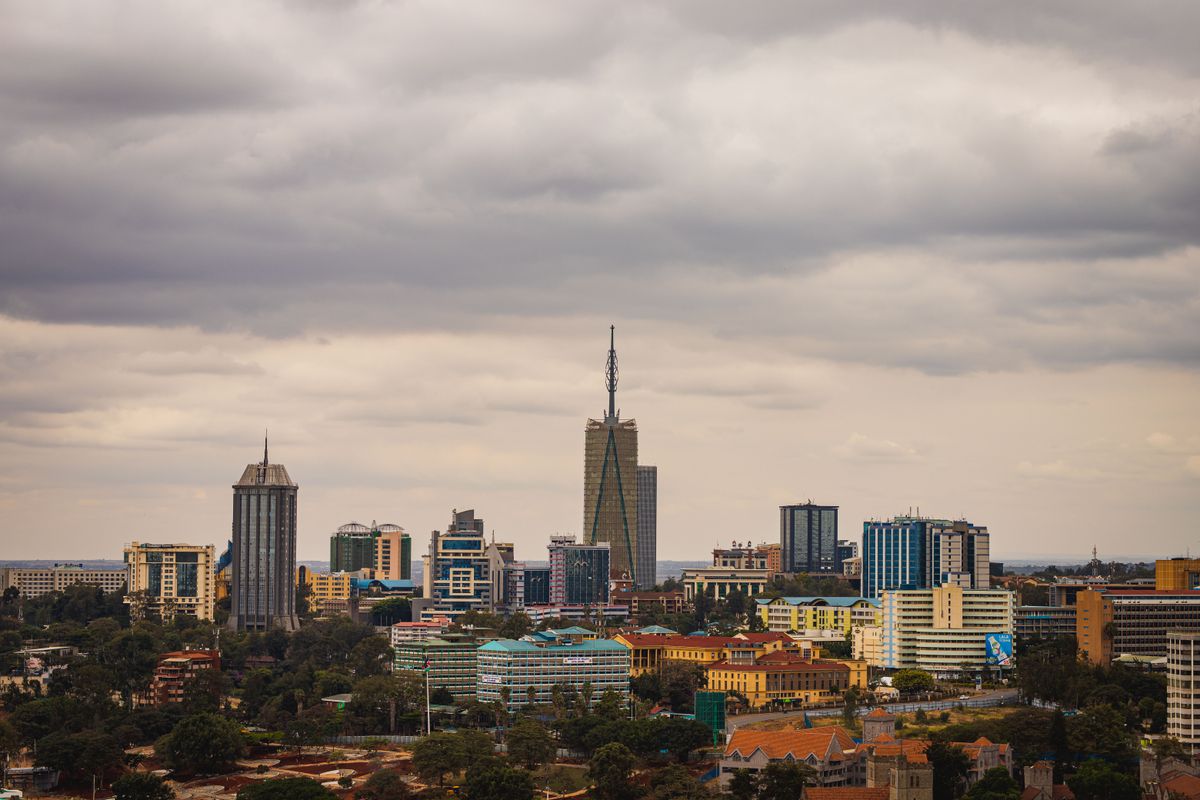
Kenya’s tourism sector reached a record high in 2024, posting its highest international arrival count and revenue total since records began. The numbers confirm a strong recovery from the pandemic-era lows of 2020 and position Kenya firmly as East Africa’s leading safari and leisure destination.
Annual Visitor Numbers
Kenya recorded 2.39 million international tourist arrivals in 2024, according to the Kenya Tourism Board’s annual report. The Kenya National Bureau of Statistics rounded the figure to 2.4 million in its summary publication. This represents a 14.7% increase over the 2.09 million recorded in 2023 and surpasses the previous record of 2.05 million set in 2019.
Recovery from the COVID-19 collapse has been sustained. Arrivals fell to 470,000 in 2020, recovered to 869,000 in 2021, climbed to 1.48 million in 2022, and reached 2.09 million in 2023 before the 2024 record. The trajectory puts Kenya on course to exceed 2.5 million arrivals annually in the near term.
Top Source Markets
The United States maintained its position as Kenya’s top individual source market in 2024, accounting for 12.8% of total international arrivals, or approximately 306,501 visitors. The USA has held this position for several consecutive years, reflecting the strong appeal of Kenya’s wildlife and safari offering for American travellers.
Uganda and Tanzania ranked second and third respectively, with 225,559 arrivals from Uganda and 203,290 from Tanzania. These cross-border figures include both leisure visitors and travellers with business, family, or transit purposes.
The United Kingdom, Germany, India, and France are among the leading non-African long-haul source markets. India’s presence reflects growing outbound travel from South Asia and the large Indian-origin community in Kenya. European visitors are drawn primarily by safari packages in the Maasai Mara, Amboseli, and Tsavo parks, typically in conjunction with Nairobi stopover stays.
Business and meetings travel forms a significant portion of international arrivals. The MICE (meetings, incentives, conferences, and events) segment accounted for 27% of total arrivals in 2024, up from 24% in 2023, driven by Nairobi’s positioning as East Africa’s primary hub for international organisations and conferences. Leisure travel accounted for 44.3% of arrivals.
Peak Season and Travel Patterns
Kenya has two wildlife viewing peak seasons that align with the country’s dry seasons. The long dry season from July to October is the prime period, with the Great Migration crossing from Tanzania’s Serengeti into the Maasai Mara occurring from late July to October. This produces the highest hotel occupancy and advance bookings for Mara camps and lodges. July and August are the busiest months across the country, with premium safari properties booked out months in advance.
The short dry season from January to March provides a second wildlife peak. Lower visitor volumes and reduced rates compared with the July to October period make January to March attractive for value-conscious safari travellers.
The coastal strip (Mombasa, Diani Beach, Malindi) operates on a different seasonal calendar. Beach tourism peaks from December through March when dry weather and cool sea breezes make the Indian Ocean coast most comfortable. The long rains season (April to June) is the low season for coast travel, though dive conditions in the Indian Ocean remain good through the rains.
Nairobi as a stopover and short-break destination receives business and leisure visitors year-round, buffered from seasonal fluctuations by its conference, transit, and regional business functions.
Economic Contribution
Inbound tourism earnings reached KES 452.20 billion (approximately $3.5 billion at mid-2024 exchange rates) in 2024, according to the Kenya Tourism Board. This represents a 19.8% increase over the KES 377.49 billion earned in 2023. The travel and tourism sector’s total contribution to Kenya’s GDP, including direct, indirect, and induced effects, was approximately KES 1.2 trillion in 2024, representing around 10% of national GDP, based on World Travel and Tourism Council estimates.
Tourism is one of Kenya’s largest foreign exchange earners, competing with tea, coffee, and horticulture exports. The government’s Bottom-Up Economic Transformation Agenda (BETA), the national development plan in place from 2022, identifies tourism as a priority sector for job creation and foreign currency generation.
The sector employs an estimated 1.1 million Kenyans directly and indirectly, with safari guiding, hospitality, transport, and craft industries forming the primary employment nodes.
Accommodation Statistics
Kenya has approximately 4,800 classified accommodation facilities as of 2024, according to the Tourism Regulatory Authority. This includes hotels, lodges, tented camps, and serviced apartments. Nairobi holds the highest concentration of classified hotel rooms, with major international brands including Radisson Blu, Marriott, Hilton, and Fairmont represented in the city.
The wildlife tourism segment operates a distinct accommodation model. Permanent tented camps and lodges inside or adjacent to national parks and conservancies form the premium end, with properties like the Angama Mara, Singita Mara River Tented Camp, and Sanctuary Olonana commanding rates of $700 to over $2,000 per person per night. The mid-range tier encompasses permanent lodges and budget tented camps within conservancies.
Domestic bed night occupancy in classified establishments reached 5.17 million in 2024, a 12% increase over the 4.62 million recorded in 2023, indicating growth in domestic leisure travel alongside international arrivals.
Growth Trends
Kenya’s government introduced visa-free access for all African Union passport holders in January 2024 and expanded its Electronic Travel Authorisation (eTA) system, replacing traditional visas for most nationalities. The Kenya Tourism Board credited these access reforms as a significant driver of the 2024 arrival increase.
The Kenya Tourism Strategy 2028 targets 5 million international tourist arrivals and $10 billion in tourism revenue annually by 2028. Reaching 5 million from a 2024 base of 2.4 million would require sustained compound annual growth of approximately 20% per year, which represents an ambitious step up from current rates.
Investment priorities under the strategy include new wildlife conservancies in undervisited regions such as Laikipia and Kajiado, expansion of beach resort capacity along the south coast, and upgrading Mombasa’s Moi International Airport to handle wider-body direct services from European cities. Direct long-haul routes remain a key constraint, with most European visitors transiting through Nairobi or connecting via Middle East hubs.
For official information, we recommend Kenya Ministry of Tourism and UNESCO World Heritage listings for Kenya.