The Madaraka Express is the standard gauge railway (SGR) that opened in 2017, and it is the most comfortable way to cover the roughly 480km between Nairobi and Mombasa. The train runs through Tsavo, avoids the A109 truck traffic and costs far less than a flight. This guide covers the timetable, current fares, booking, the two terminus transfers and luggage. Prices are as of 2026 and Kenya Railways (KRC) changes them with little notice, so confirm on the official KRC ticketing portal before you pay.
The three daily services
Three trains leave each city every day, at 08:00, 15:00 and 22:00.
| Service | Departs | Stops | Journey | Arrives Mombasa |
|---|---|---|---|---|
| Inter-County | 08:00 | Every station | About 6 hours | About 14:00 |
| Afternoon Express | 15:00 | Voi only | About 5.5 hours | About 20:30 |
| Night train | 22:00 | Voi only | About 5.5 hours | About 03:55 |
Going the other way, the 08:00 from Mombasa reaches Nairobi around 14:10 and the 15:00 Express around 20:18. Published times differ by a few minutes between sources, so use the ticket for the final word.
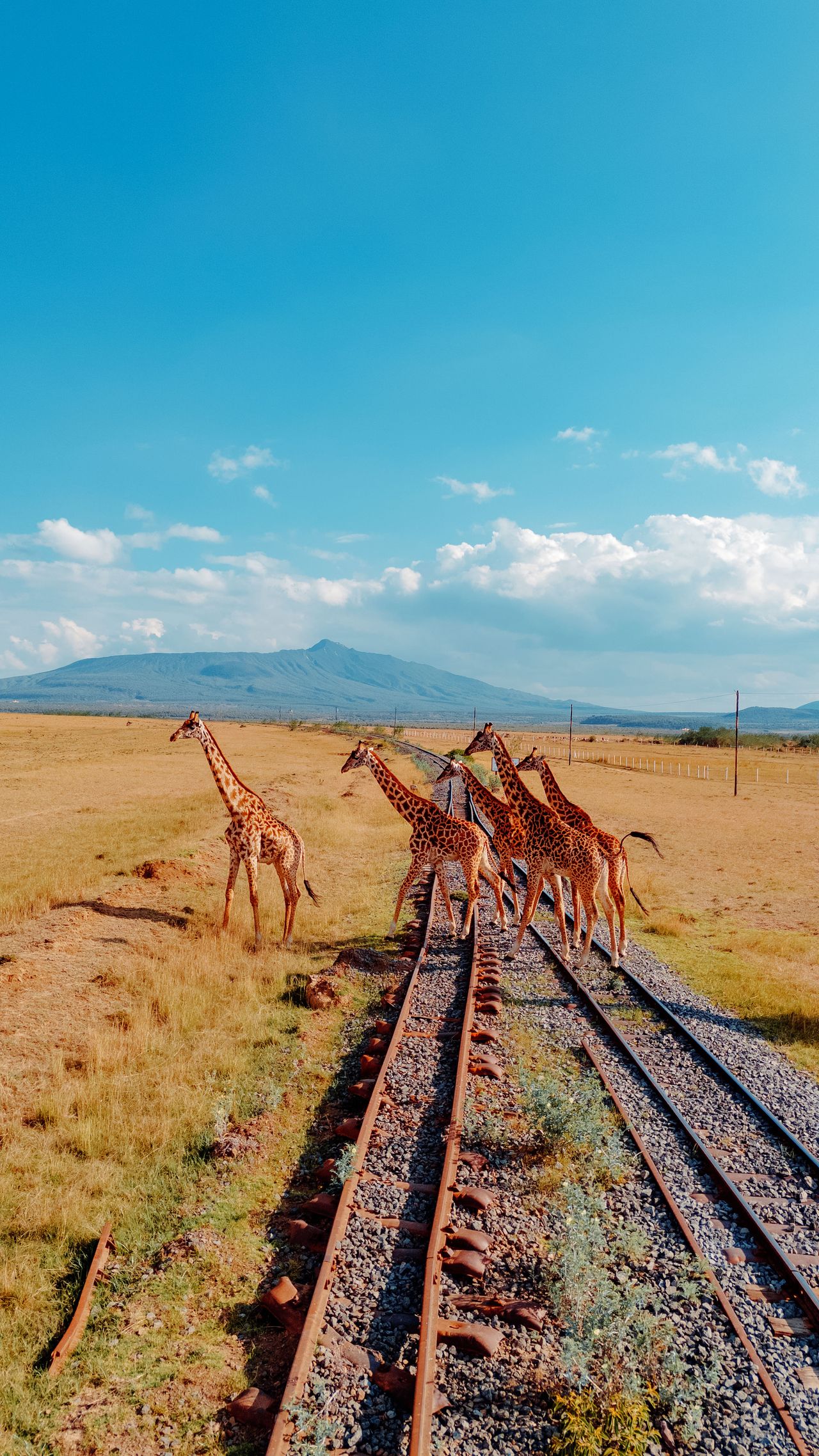
Which one to take. The 08:00 is the pick for scenery: daylight through Tsavo, with a decent chance of elephants, giraffe and zebra near the line. It also has the stops that matter for safari, including Mtito Andei and Voi. The 15:00 Express is quicker but you lose most of the view as the light goes. The night train saves a hotel night, though a 03:55 arrival means arranging a hotel early check-in or transfer in advance.
Classes and fares
| Class | One-way adult (Nairobi to Mombasa) | What you get |
|---|---|---|
| Economy | About KES 1,500 | 3+2 seating, snack trolley |
| First Class | About KES 4,500 | 2+2 recliner seats, power points, buffet car |
| Premium | About KES 12,000 (about KES 20,000 return) | Small coach, meals, priority boarding |
Intermediate stations cost less: Nairobi to Voi is about KES 1,050 in Economy and Nairobi to Emali about KES 390. Children under 3 travel free on a lap, ages 3 to 11 pay half fare and need a birth certificate at the gate, and anyone 12 or over pays the full fare. Tickets are non-transferable, and changes or cancellations are handled at a station with a fee, so book the date you will actually travel.
Several of our older guides still quote KES 700 for Economy and KES 3,000 for First Class. Those figures predate the current tariff.
How to book
- Online: metickets.krc.co.ke, paid by M-Pesa.
- USSD: dial *639# on a Safaricom line and follow the prompts, also paid by M-Pesa.
- At the station: the counters at Syokimau and Miritini take cash or card, and a passport is accepted as ID. This is usually the easiest route for visitors without a Kenyan M-Pesa account, and a Safaricom SIM from the airport fixes that too (see our Kenya eSIM guide).
Only the portal and *639# are official online channels. Facebook groups and WhatsApp numbers selling SGR tickets are not run by Kenya Railways, so do not send money to them.
The booking window is unclear. Recent guides say tickets go on sale about 60 days ahead, while older articles from 2017 and 2021 describe a 7-day limit. We could not confirm the current rule with KRC, so treat 60 days as likely but check the portal when you plan. For 20 December to 5 January, the weekend before a public holiday, or Madaraka Day, buy as early as the system lets you. You can also compare train and bus prices on Omio if you want to see the overland options together.
Getting to and from the termini
Neither terminus is in the city centre, so build the transfer into your plan. KRC asks passengers to arrive about an hour before departure for security screening.
Nairobi Terminus (Syokimau). The station is near JKIA, which makes it simple after a flight: see our Nairobi airport guide for the airport side and the airport transfers guide for taxi and ride-hailing costs. From the CBD, Uber or Bolt typically runs KES 600 to 1,500 depending on traffic. A KRC link train from Nairobi Central is reported at about KES 50-60, but check its times, as it does not match every departure.
Mombasa Terminus (Miritini). The station is on the mainland west of the island. A commuter train reportedly runs into the city for around KES 50, tuk-tuks to the island cost roughly KES 200-300, and shared shuttles go on to Nyali, Bamburi and Mtwapa. Diani-bound travellers can take a shuttle or private car via the Dongo Kundu Bypass; our Mombasa airport guide covers the other coast arrival point and onward options.
Luggage and on board
The commonly quoted allowance is 30kg per passenger with no single item longer than 1.6m. Confirm this with KRC if you carry surfboards, tripods or large camera cases. Snacks and soft drinks are fine, alcohol is not permitted, and a buffet car runs on First Class services. Keep valuables with you and keep your ticket and ID handy because both are checked at the platform gate.
Is it better than driving or flying?
The train beats the bus for comfort and reliability, and it beats the car if you do not want 7 to 9 hours behind the wheel. Our Nairobi to Mombasa road trip covers the drive and the stops worth making, and the Kenya getting around guide compares every mode. A flight is faster door to door only if you book early and your hotel is close to the airport.
If you want to see Tsavo properly, get off at Voi rather than just watching it from the window; Tsavo tours from the park gates run for a day or longer. For official timetable notices, see Kenya Railways.