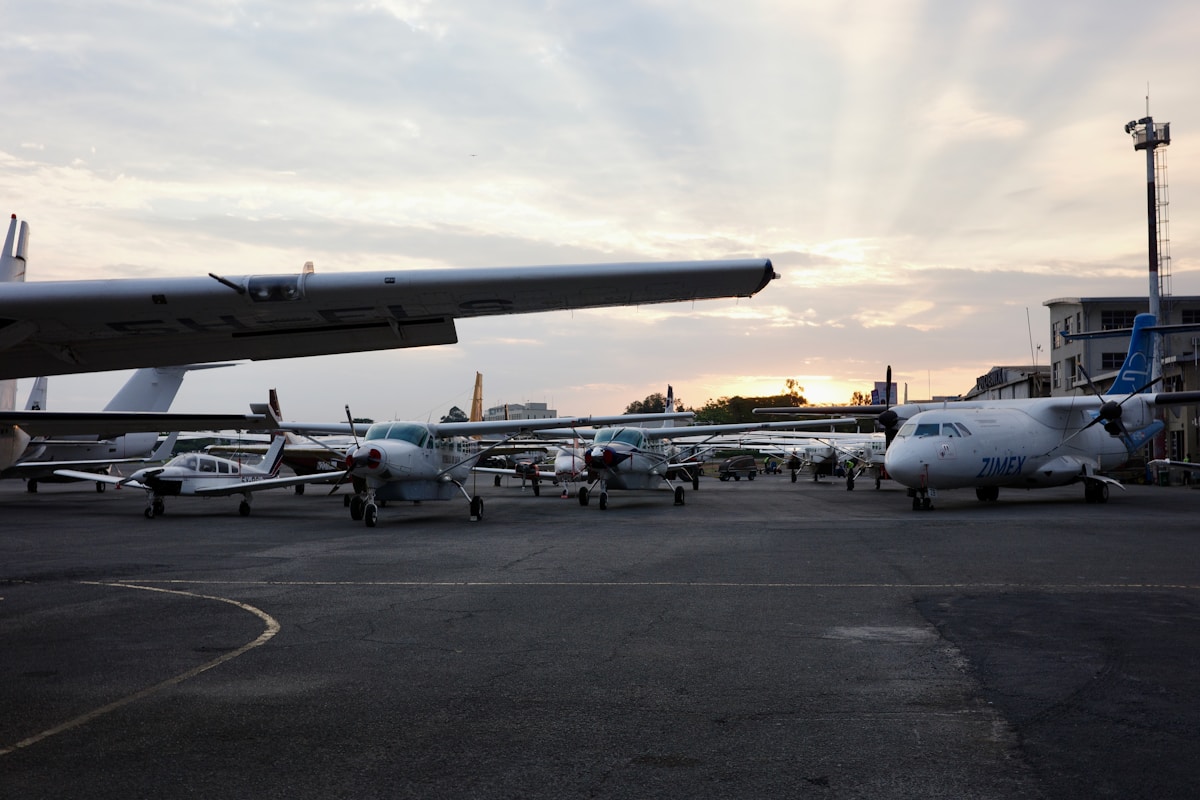
Jomo Kenyatta International Airport (JKIA) is Kenya’s main international gateway, 16km southeast of Nairobi’s CBD. It handles the majority of international arrivals and connects to most major airlines via one- or two-stop itineraries.
Before You Land: Visa and e-Visa
Most nationalities travelling to Kenya must obtain a visa in advance or are eligible for a Visa on Arrival. Kenya operates an e-visa system at etakenya.go.ke where most nationalities can apply online before travel.
e-Visa application:
- Apply at etakenya.go.ke (official Kenya Immigration portal)
- Single entry tourist visa: USD 50 as of 2026
- East Africa Tourist Visa (Kenya, Uganda, Rwanda - multiple entry): USD 100
- Processing time: typically 3–5 business days online
Visa on Arrival: Available at JKIA for some nationalities. Costs are equivalent to the e-visa. Queues at the Visa on Arrival desk can be significant at busy arrival times - the e-visa is faster because you proceed directly to immigration.
East African Community (EAC) nationals from Uganda, Tanzania, Rwanda, Burundi, and South Sudan enter visa-free.
Terminal Layout
JKIA has one main terminal building (Terminal 1) handling all international and domestic Kenya Airways flights. There is a separate domestic terminal (Terminal 1A) handling Jambojet, Fly540, and other budget domestic carriers.
Arrivals process:
- Immigration (e-visa or Visa on Arrival desk)
- Baggage claim
- Customs (green/red channel)
- Arrivals hall
The arrivals hall at JKIA is compact. After customs, you exit to the pick-up area. Licensed taxi and app-based transport (Bolt, Uber) pick up outside the terminal exit.
Getting to the City
Bolt and Uber (Recommended)
Bolt and Uber are the safest and most predictable options. The Nairobi Expressway (toll motorway opened 2022) connects JKIA directly to Westlands and beyond, significantly cutting journey times.
Approximate fares from JKIA (as of 2026):
- JKIA to Westlands: KES 2,000–3,500
- JKIA to CBD: KES 1,800–3,000
- JKIA to Karen: KES 2,500–4,500
- JKIA to Upperhill/Milimani: KES 1,800–2,800
For a fixed-price, pre-arranged collection, book a Kenya airport transfer before you arrive.
Plus Expressway tolls (approximately KES 200–400 per journey, paid automatically via the app or by the driver).
Journey time: Approximately 25–40 minutes to most hotels outside peak congestion hours. Budget 45–60 minutes during morning peak (7–9am) and evening peak (5–7pm).
Search hotels in Nairobi on Booking.com
How to get Bolt/Uber from JKIA: Open the app inside the terminal before you exit. Request a ride from the “JKIA Arrivals” pin, then walk to the designated pickup zone outside the terminal. Drivers do not enter the terminal.
SGR Commuter Train - JKIA to Nairobi Central
The Standard Gauge Railway has a station at JKIA (within the airport complex, connected by a short shuttle bus from the terminal).
Fare: Approximately KES 100 (standard) to KES 200 (first class) as of 2026. Journey time: Approximately 30 minutes to Nairobi Central Station (near the CBD). Frequency: Runs at intervals throughout the day; check the KRC schedule.
This is the cheapest option for budget travellers. From Nairobi Central Station, the CBD is walkable (15 minutes) or a short Bolt/Uber ride.
Note: For hotels in Karen, Westlands, or Gigiri, the SGR + Bolt combination is often slower than a direct Bolt from JKIA. It’s best suited for travellers heading to the CBD or Upperhill area.
Licensed Airport Taxis
A licensed taxi (white cabs with the NTSA licence plate designation) is available at the official taxi rank outside arrivals. These are metered or fixed-price - agree the fare before entering.
Approximate fares: KES 3,500–5,500 to most Nairobi hotels as of 2026 (including toll).
Caution: Unlicensed touts will approach you in the arrivals hall offering transport. These are not recommended. Use the official taxi rank or a Bolt/Uber app.
For a fully pre-arranged private transfer with an English-speaking driver and flight tracking, Welcome Pickups is worth considering - particularly useful for late-night arrivals or first-time visitors to Nairobi. If you want to compare quotes from multiple drivers before committing, GetTransfer covers JKIA routes and lets you choose from verified operators.
SIM Card at the Airport
Safaricom (Kenya’s dominant mobile network) has a counter in the JKIA arrivals hall. A tourist SIM with a data bundle costs approximately KES 500–1,000 as of 2026 and requires passport registration. The counter is usually in the pre-customs area or immediately after customs exit.
Alternatively, purchase a Safaricom SIM from a shop in the arrivals hall. Data bundles: 30GB for approximately KES 2,000/month.
Airtel is the second network. Coverage is less comprehensive than Safaricom outside major cities.
Currency and Forex
ATMs in the JKIA arrivals area dispense KES. Equity Bank and KCB ATMs are reliable. Maximum single withdrawal approximately KES 40,000 per transaction. Airport ATM rates are slightly worse than city centre ATMs but acceptable for immediate needs.
Forex desks in the arrivals hall exchange major currencies (USD, EUR, GBP) to KES. Rates at the airport are typically 3–5% worse than rates at city-centre forex offices. For large amounts (USD 1,000+), it’s worth exchanging the minimum at the airport and converting the rest in the city.
USD cash: Carry some USD for tips and safari payments where USD is preferred. New-issue USD bills (2009 onwards) are generally accepted. Older, worn, or torn notes are sometimes refused.
Wilson Airport (Domestic and Safari Flights)
Wilson Airport is 8km from the CBD on Langata Road (adjacent to the Nairobi National Park boundary). It’s Kenya’s busiest general aviation airport and the hub for safari flights.
Operators based at Wilson: Safarilink, AirKenya, Tropic Air Kenya, and various charter operators.
Key destinations from Wilson: Masai Mara (multiple airstrips), Amboseli, Lamu (Manda Airport), Samburu, Lewa, Nanyuki, Nyeri, Kisumu (some routes).
Transfer from JKIA to Wilson: Approximately 30–45 minutes by Bolt/Uber (KES 1,500–2,500 depending on traffic). Direct Expressway does not serve Wilson - the route goes through the southern city.
Wilson Airport facilities: Small but functional. One terminal building with a café, small shops, and check-in desks. Luggage rules for light aircraft: maximum 15kg in soft bags. Hard suitcases are not permitted on small aircraft.
Check-in: Arrive 45–60 minutes before departure. Safarilink and AirKenya check-in processes are quick by international standards.
Connecting Between JKIA and Wilson
If your itinerary requires arriving at JKIA and then flying safari from Wilson Airport on the same day, allow a minimum of 3 hours between JKIA arrival and Wilson departure. This gives time for immigration, baggage, transfer, and any minor delays. If you’d rather skip the logistics entirely, consider booking a Nairobi day tour that collects you from JKIA and takes you directly to key sights before your onward connection.
For the Nairobi-to-Mara safari route in more detail, see our Nairobi to Masai Mara itinerary. For getting around Kenya more broadly, see our Kenya transport guide. Our Nairobi city guide covers the city centre, hotels, and what to do during a Nairobi stopover. For the full airport transfers breakdown, see our Kenya airport transfers guide. For SIM card setup on arrival, our Kenya eSIM and SIM card guide covers Safaricom registration step-by-step.
Plan Your Trip
✈️ Book your flights to Kenya 🛡️ Get travel insurance 📱 Stay connected with an eSIM 🚗 Rent a car