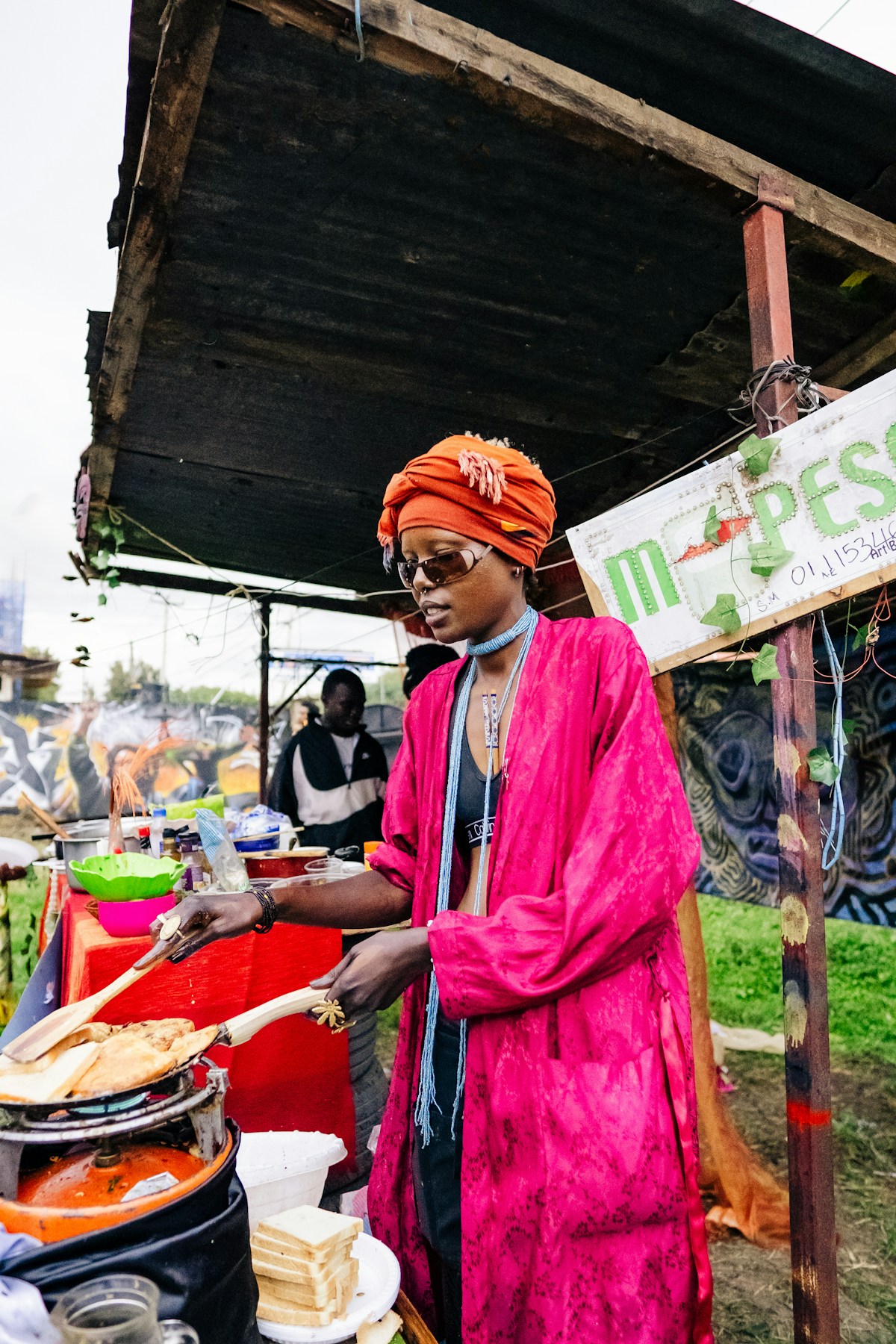
Nairobi has a food scene that most visitors completely miss - staying in hotel restaurants or safari lodges without stepping into the city’s layered culinary culture. That’s a missed opportunity. From nyama choma roadhouses to coastal Swahili rice dishes, Indian dhaba-style curry houses in Westlands, and a new generation of Nairobi chefs interpreting Kenyan ingredients with fine-dining technique, the city rewards food exploration.
A guided food tour structures that exploration, gets you access to spots you’d never find alone, and provides the cultural context that turns eating into understanding.
What to Expect
Nairobi food tours typically run 3–5 hours, covering 5–8 tasting stops. The format varies: some are walking tours confined to a single neighbourhood (the CBD, Westlands, or Ngara), others use a vehicle to cover multiple areas. Good guides explain the cultural significance of each dish - how ugali became the national staple, why nyama choma is social currency, the Swahili trade route origins of coastal rice dishes that appear even in upland restaurants.
Most tours include enough food to constitute a full meal across the stops. Vegetarian and halal options exist but confirm when booking - some stops specialise in meat-heavy dishes. A guide will adjust the itinerary.
Street Food Tours
CBD and Downtown Nairobi
The commercial heart of Nairobi has extraordinary density of informal food. Kiosks and outdoor cooking stations cater to office workers and market traders - fast, cheap, and authentic. Key stops on most street food tours:
Mama Ngina Street - one of the busiest street food corridors. Roasted maize (mahindi ya kuchemsha), mandazi (fried doughnut), and mkate wa kumimina (Swahili coconut bread) vendors line the pavements from early morning.
River Road area - the most local part of downtown, with nyama choma (grilled meat) joints, ugali na sukuma wiki (maize porridge with braised kale), and mutura (Kenyan spiced sausage). Not a tourist area in any sense - going with a guide is useful here.
Tom Mboya Street food stalls - rolex (chapati rolled with egg and vegetables - borrowed from Uganda), samosas, and bhajia (spiced potato fritters from the Indian-Kenyan community).
Guided street food operators:
Nairobi Street Kitchen - runs 4-hour CBD street food walks covering 6–8 stops. Focus on working Nairobi food culture rather than tourist-facing spots. Approximately USD 55/person.
Urban Food Safaris Kenya - combines the CBD market circuit with Gikomba Market. Half-day tour approximately USD 65/person.
Book Nairobi food tours on GetYourGuide for verified operators with confirmed availability and current pricing.
Market Visits
Marikiti Market
Nairobi’s principal wholesale fruit and vegetable market on Haile Selassie Avenue. Towers of pineapples, passion fruit, mangoes, and every vegetable grown in the Kenyan highlands. Early morning (6–9am) is the most active. A guide makes the difference between a chaotic market walk and a meaningful visit - they’ll introduce you to specific vendors, explain the supply chain from Mount Kenya or the Rift Valley, and let you taste before you buy.
Gikomba Market
East Africa’s largest second-hand market, primarily known for clothing, but with a food section that serves traders. Busiest in the morning. The food available here is about as local as Nairobi gets - githeri (maize and beans, a Kikuyu staple), fried tilapia, and cheap roasted corn. Not a food destination in itself, but combined with a market tour that explains Nairobi’s informal economy, it’s a compelling visit.
Toi Market, Kibera
In Kibera, one of Africa’s largest informal settlements. Community kitchen and local food stalls operated by residents. Tours run by social enterprises that work directly with Kibera communities - the context and the proceeds both matter here. Shining Hope for Communities and Kibera Community Kitchen facilitate visits; these should be arranged in advance, not dropped in on.
Cooking Classes
Kenyan Kitchen (Karen)
The most established cooking school in Nairobi for visitors. Half-day sessions (typically 3–4 hours) covering a full Kenyan meal from scratch: nyama choma preparation, ugali technique, sukuma wiki, chapati (a Swahili flatbread that’s now a Kenyan staple), and a typical dessert. Classes are small (maximum 8 participants). Approximately USD 90–110/person, including the meal you cook. Karen is about 20km from the CBD - budget an Uber or use the school’s transfer.
Booking: Direct through their website or via GetYourGuide Nairobi activities.
Mama Oliech’s Restaurant and Cooking Experience (Kilimani)
Named after the late Mama Oliech, whose restaurant on Ngong Road is a Nairobi institution. The family now runs occasional half-day cooking sessions teaching Lake Victoria fish preparation - tilapia and Nile perch - alongside traditional Luo accompaniments. Approximately USD 60–80/person. Not a regular daily offering - contact them directly to arrange.
Uhuru Kitchen (Westlands)
Focused on the Indian-Kenyan fusion food culture that characterises Westlands cooking: biryani technique using local spices, bhajia, and the distinctive Mombasa-style pilau that differs from standard South Asian versions. Classes run Saturday mornings. Approximately USD 75/person.
African Heritage House (Karen)
More of a cultural centre than a pure cooking school. African Heritage House runs periodic immersive food days combining traditional cooking with textile and craft context. The food component covers pan-African dishes alongside Kenyan-specific preparations. Approximately USD 100–120/person for a full day. Check their schedule as these run on specific dates rather than daily.
Restaurant Crawls
Westlands Crawl
Westlands is Nairobi’s most culinarily diverse neighbourhood - a 5km radius contains Indian Gujarati vegetarian restaurants, contemporary Kenyan fine dining, coastal Swahili restaurants, and Ethiopian injera houses. A guided crawl covers 3–4 venues in an evening.
Key stops:
Artcaffe Westlands - not authentically Kenyan, but a useful barometer of the local café culture. Skip unless you need a baseline reference.
Habesha Ethiopian Restaurant - the injera here is made daily and the tibs (sautéed meat) are well-executed. A good introduction to the Ethiopian community that’s an important part of Nairobi’s food culture.
Nyama Mama - contemporary Kenyan restaurant with a menu that takes traditional ingredients seriously: swahili coconut fish, ugali reimagined with sauces, and a good Kenyan coffee selection. Approximately KES 1,500–2,500 (around USD 11–19) per person for a main course.
Cultiva - farm-to-table with produce sourced from Kenyan smallholders. The most polished version of modern Nairobi dining. Set-menu evenings approximately KES 4,000–5,500 per person.
Karen and Langata Crawl
The Karen area is greener, quieter, and upscale - originally developed by the colonial-era farming community. Food here has a strong organic and local sourcing ethos.
Karen Country Club - the bar and restaurant serve a formal colonial-era menu. Fascinating for context.
Talisman Restaurant - one of Nairobi’s most reliable dinner venues. Pan-African menu with Kenyan highland produce. Approximately KES 3,000–5,000 per person.
Brew Bistro, Karen - Kenyan craft beer alongside a menu that incorporates local grains and ingredients. The local craft beer scene is worth exploring - Nairobi Brewing Company and Big Five Brewing both appear on menus here.
CBD Evening Crawl
Nyama choma joints in the CBD operate until late - these are social spaces as much as restaurants. Tables of office workers sharing roasted goat, chicken, and vegetables with ugali, washed down with Tusker lager or Keg beer. Approximate cost: KES 800–1,500 (around USD 6–11) per person for a full meal with drinks. For more on Nairobi’s restaurant scene, our Nairobi restaurants guide covers the full range from budget to fine dining.
Cultural Food Experiences
Maasai Food Experience
Some camps and cultural centres near Nairobi - including at the Maasai Cultural Center in Nairobi National Park buffer zone - offer traditional Maasai food tastings: fermented milk (maziwa lala), blood and milk drinks, and roasted meat prepared with traditional spice combinations. These experiences work best as part of a broader cultural visit rather than as a standalone food tour.
Kikuyu Traditional Food
The Kikuyu community is the largest ethnic group in Kenya and historically agricultural. Traditional dishes - irio (mashed potatoes, maize, and peas), githeri (beans and maize), mutura (blood sausage) - are found in informal restaurants in Kikuyu-majority areas like Ngara and parts of Eastlands. A food guide from this community provides the best context.
Coastal Swahili Food in Nairobi
The Swahili coastal food tradition has followed Kenyan internal migration to Nairobi. Restaurants in Eastleigh and Pangani (both northeast of the CBD) serve biryani, mahamri (coconut-spiced doughnuts), kashata (coconut candy), and grilled fish. The pilau here differs from standard Swahili versions and reflects the blending of communities in Nairobi. Our Kenyan street food guide covers the major dishes with context on their origins.
Practical Information
Best time for street food: Weekday mornings (7–11am) for the freshest produce and highest turnover. Lunch hour (12–2pm) for the busiest market stalls. Evening for nyama choma joints.
Getting around: Uber works well for Nairobi. For walking tours, the CBD is compact enough on foot with a guide - but wear closed shoes (pavements are uneven). Karen and Westlands require a car.
Budget: Street food tastings: KES 50–300 per item. Sit-down local restaurant: KES 400–1,000 for a full meal. Mid-range restaurant: KES 1,500–3,000. Fine dining: KES 4,000+.
Dietary needs: Vegetarian options are available throughout - sukuma wiki, githeri, irio, and chapati are all plant-based. Vegan is workable with communication. Strict vegans should check ghee use in chapati. Halal food is easy to find, particularly in Eastleigh and Pangani.
Booking food tours: Nairobi food tours via GetYourGuide lists vetted operators with recent reviews. For the Kenya-wide food context before your trip, our Kenyan cuisine guide gives a full overview of the national food landscape.